
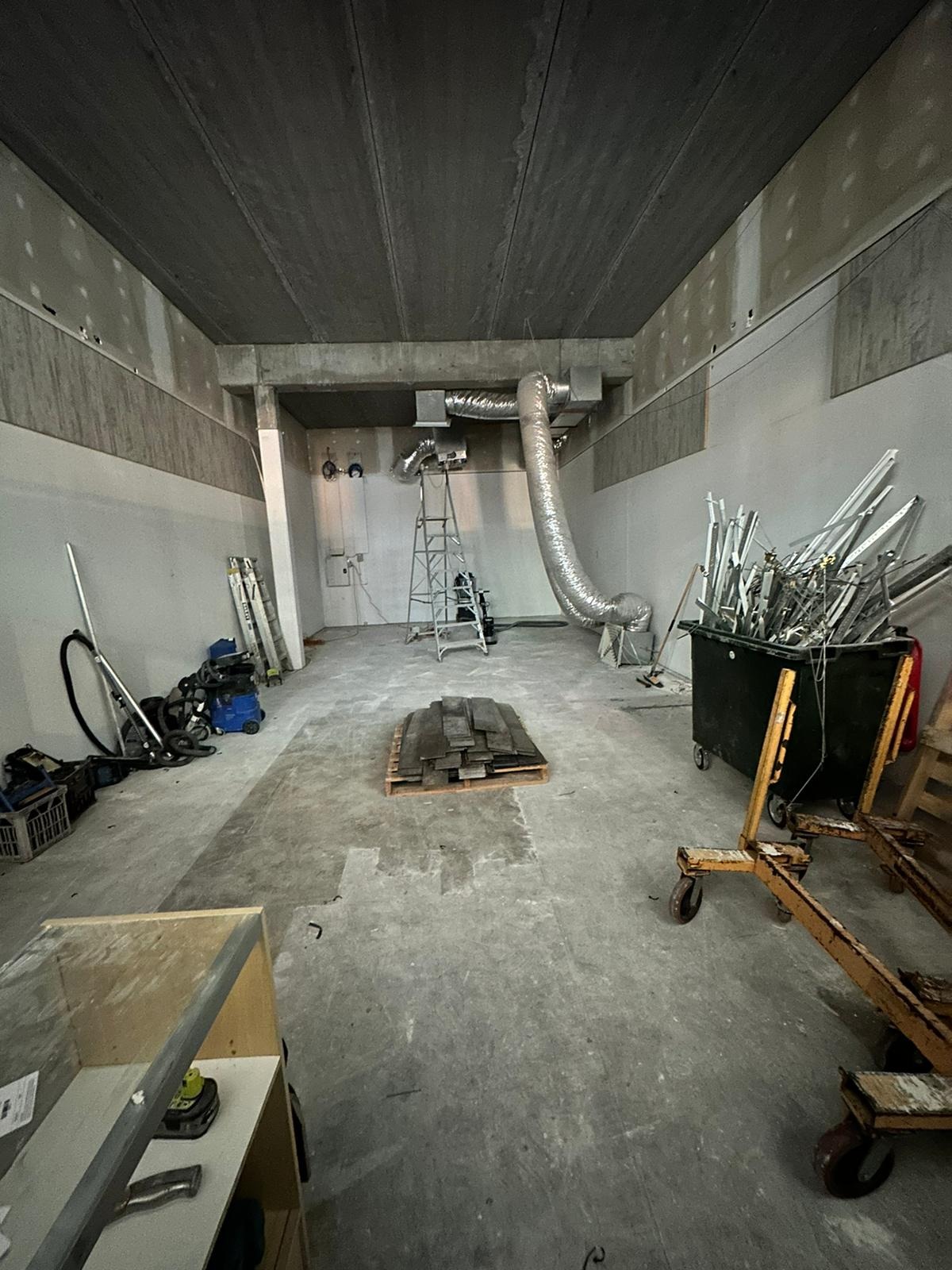
Removal of fitouts sounds straightforward. Strip out partitions, take the furniture, hand the keys back. In reality, removal of fitouts is where lease obligations, construction detail, compliance, and cost all collide.
For builders, property owners, landlords, and tenants in Perth, understanding removal of fitouts early prevents disputes, delays, and inflated defit and makegood costs. Most exit problems are not caused by bad intentions. They are caused by assumptions.
Let’s break down what actually happens and where projects usually go wrong.
Start With the Lease, Not the Tools
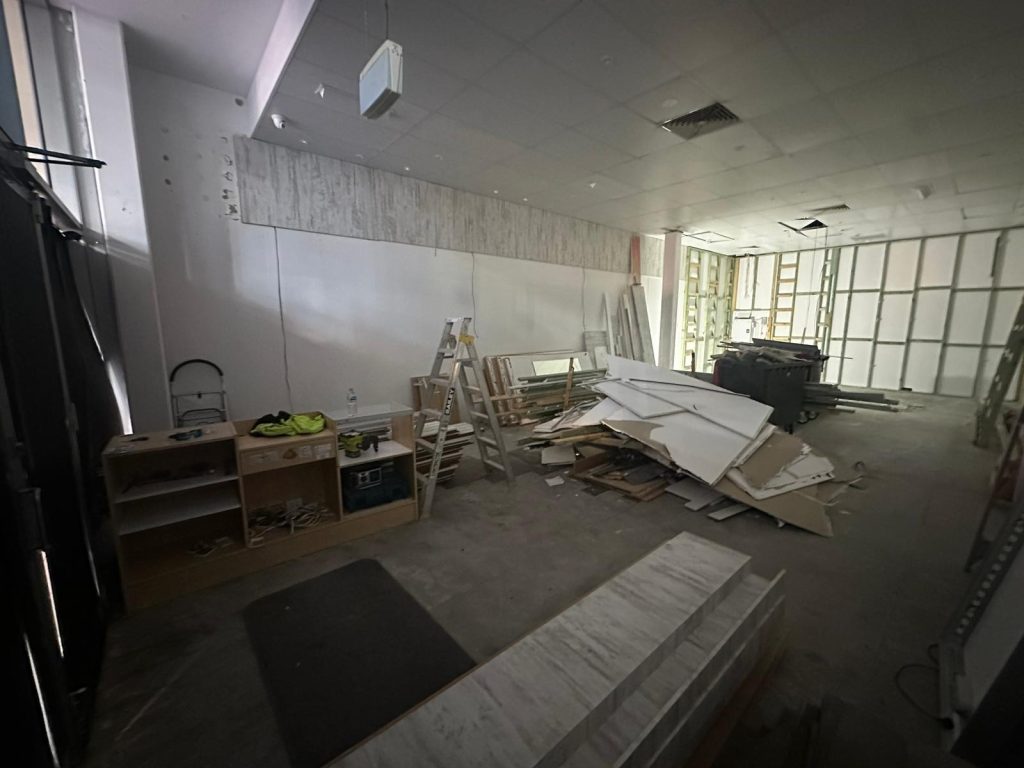
Before any shop defit or office defit begins, the lease defines the finish line. Removal of fitouts is driven by the required exit condition written into the agreement. Some leases require reinstatement to base build. Others require removal of tenant-installed works only. Some include repainting and cleaning. Some do not.
Ambiguous clauses are common. Words like “original condition” or “reasonable wear and tear excepted” leave room for interpretation. This is where over-scoped work and landlord-tenant disputes begin. A pre-defit audit clarifies what removal of fitouts actually includes before contractors are engaged.
What Removal of Fitouts Actually Covers
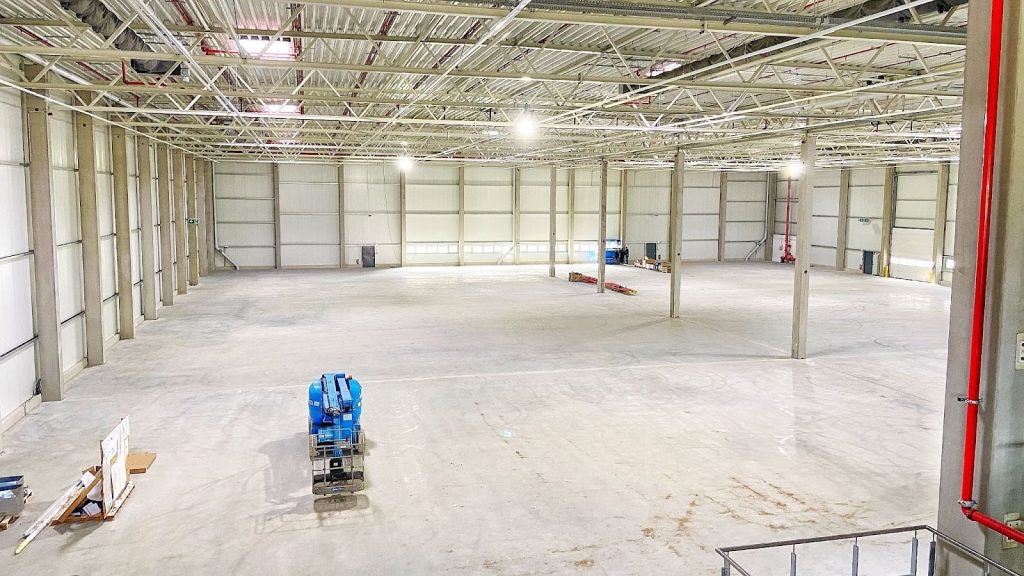
Removal of fitouts typically focuses on non-structural elements installed during occupation. In a commercial tenancy, this often includes demountable partitions, workstations, joinery, signage, feature lighting, shop fitting elements, floor coverings, and ceiling modifications.
In retail environments, shop fitting decisions often determine how complex a shop defit becomes. Custom counters bolted into slabs, bulkheads integrated into services, or tiled feature walls increase labour and reinstatement requirements.
The more integrated the fitout, the more complex the removal of fitouts process becomes.
Services Reinstatement Is Where Costs Escalate
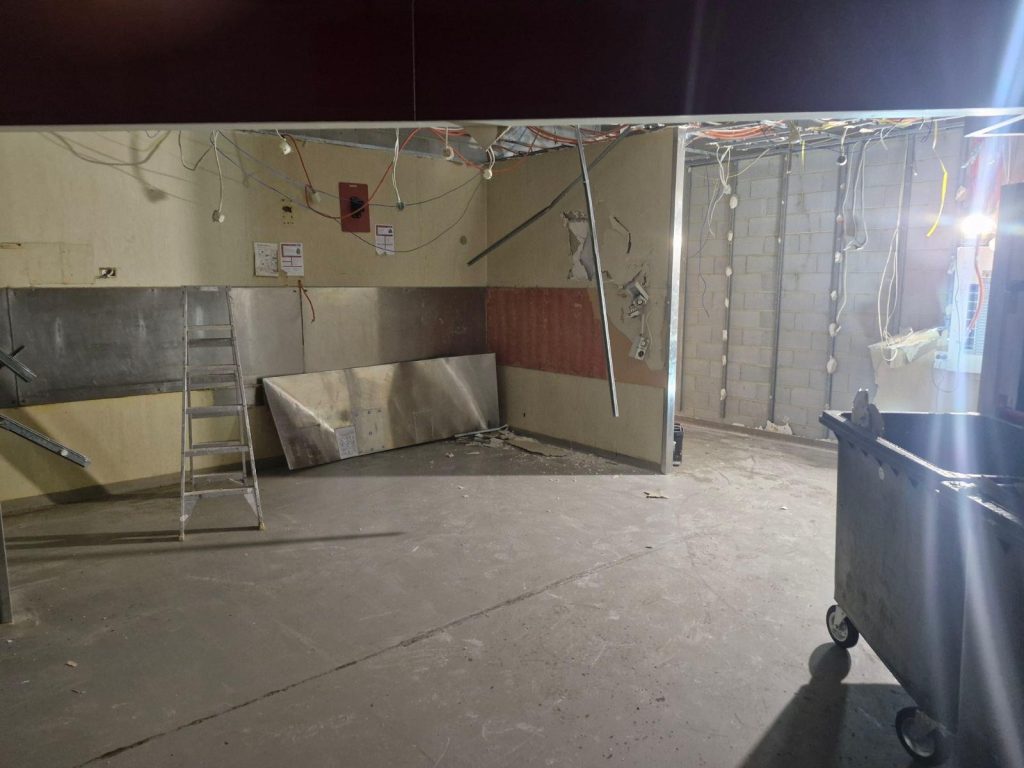
Electrical, plumbing, data, fire systems, and HVAC modifications are often overlooked until removal begins. Proper removal of fitouts includes isolating, disconnecting, or reconfiguring these systems safely and in compliance with building standards.
Poor documentation from the original shop fitting or office defit stage can create delays. Circuits may not be clearly labelled. Mechanical alterations may not align with base building layouts. Fire services may have been extended without updated drawings.
When this happens, removal of fitouts turns into investigative work, which increases cost and timeline.
Surface Restoration and Makegood Requirements
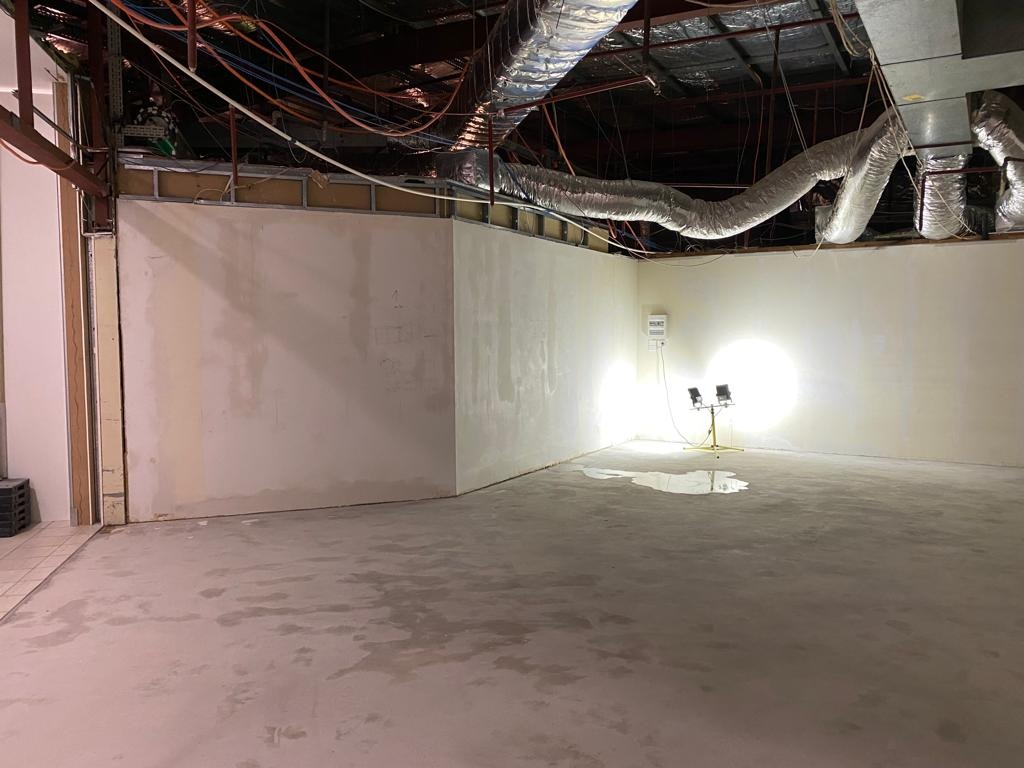
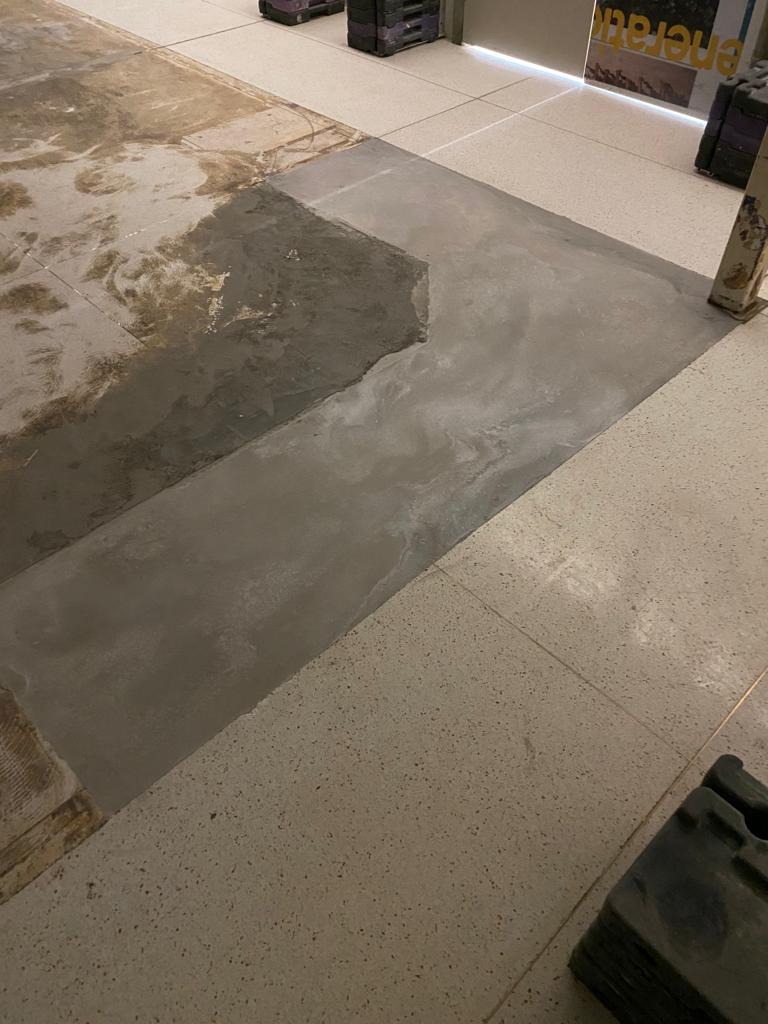
Once physical removal is complete, the focus shifts to restoration. Defit and makegood works commonly include patching penetrations, repairing damaged plasterboard, repainting walls to agreed specifications, fixing ceiling grids, and reinstating floor finishes.
Common makegood requirements in Perth typically include full removal of signage and floor coverings, repair of damage caused by shop defit or office defit works, and detailed commercial cleaning before handover.
Skipping proper restoration is one of the main reasons final inspections fail.
Waste Management Is More Than Just Skip Bins
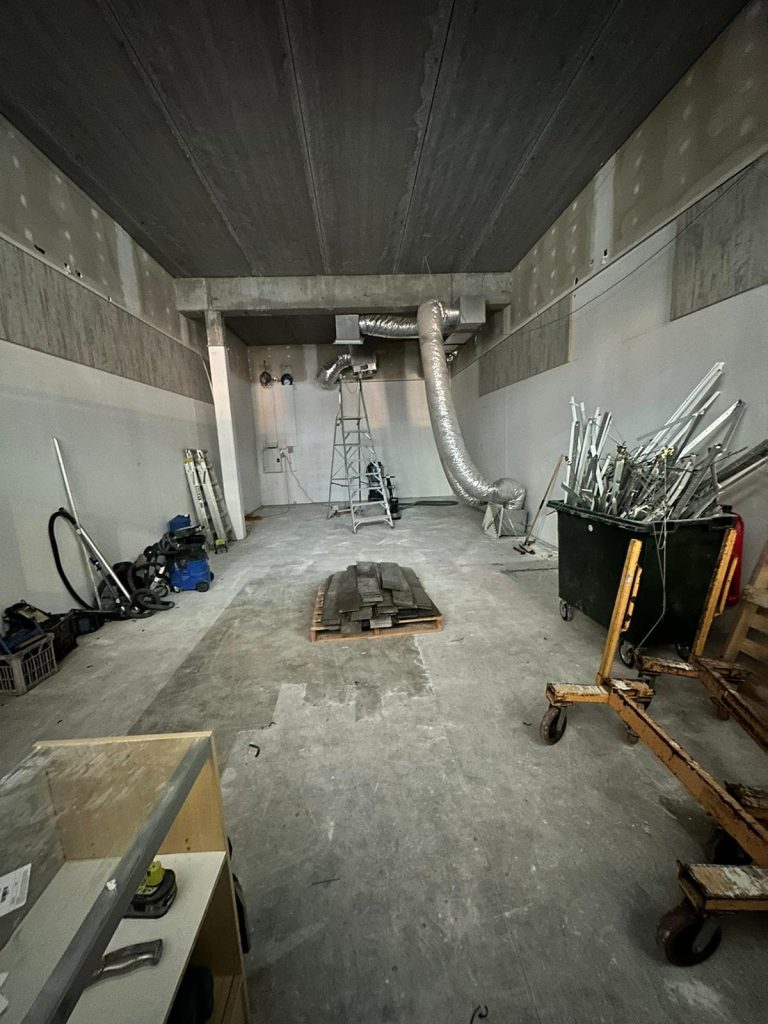
Responsible disposal is now a standard expectation in commercial projects. Removal of fitouts generates plasterboard, metal framing, cabling, glass, timber, and joinery waste. Builders and tenants who plan recycling and separation early avoid last-minute disposal issues.
In larger retail and office projects, waste management logistics can influence scheduling. Limited access, shared loading docks, and CBD restrictions require structured planning.
Ignoring this stage creates bottlenecks that delay completion.
Project Management and Timing Pressure
Tight timeframes are common. Many leases require completion before expiry, and holding over can trigger penalty rent. Removal of fitouts under compressed schedules demands experienced coordination.
After-hours works, lift bookings, noise restrictions, and compliance checks all need alignment. A poorly managed shop defit or office defit under time pressure often results in incomplete reinstatement and costly rework.
Experienced project management reduces that risk by sequencing removal, services disconnection, restoration, and final cleaning logically.
Hidden Damage and Unexpected Discoveries
Once walls and floors are opened, hidden damage sometimes appears. Water damage, unapproved structural penetrations, or outdated wiring can surface during removal of fitouts.
This is where clear documentation protects both landlords and tenants. If damage predates the tenancy, responsibility may differ. If it resulted from shop fitting modifications, the tenant may carry the obligation.
Contingency planning is not optional. It is part of responsible defit and makegood execution.
Final Inspection and Handover
The final inspection determines whether the bond is released. Removal of fitouts is only considered complete when the landlord confirms that lease obligations have been met.
Documented before-and-after photos, service certificates, and confirmation of completed works reduce friction at this stage. Surprises during inspection often lead to additional scope and extended access requirements.
Clear communication throughout the project makes final approval far smoother.
Common Challenges and Practical Solutions
Ambiguous lease wording creates scope confusion. The solution is early clarification through a written scope aligned with the lease.
Short timeframes increase risk. The solution is engaging contractors experienced in business defit projects who understand sequencing and compliance.
Hidden damage inflates costs unexpectedly. The solution is early site inspections and contingency allowances built into the plan.
Most removal of fitouts issues are predictable when approached methodically.
Why Early Planning Changes the Outcome
Removal of fitouts should not begin when the lease is about to expire. It should begin months earlier with documentation review, scope definition, and staged planning.
For builders and property owners, structured removal of fitouts protects asset value and reduces vacancy downtime. For tenants, it protects the bond and prevents last-minute cost blowouts. For landlords, it ensures the space is ready for the next occupant without unnecessary delay.
Removal of fitouts is not just demolition. It is compliance, coordination, and controlled reinstatement aligned with contractual obligations.
Handle it strategically, and it becomes a structured transition. Handle it casually, and it becomes an expensive dispute.