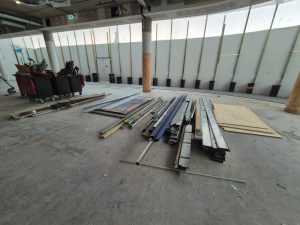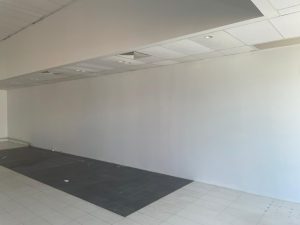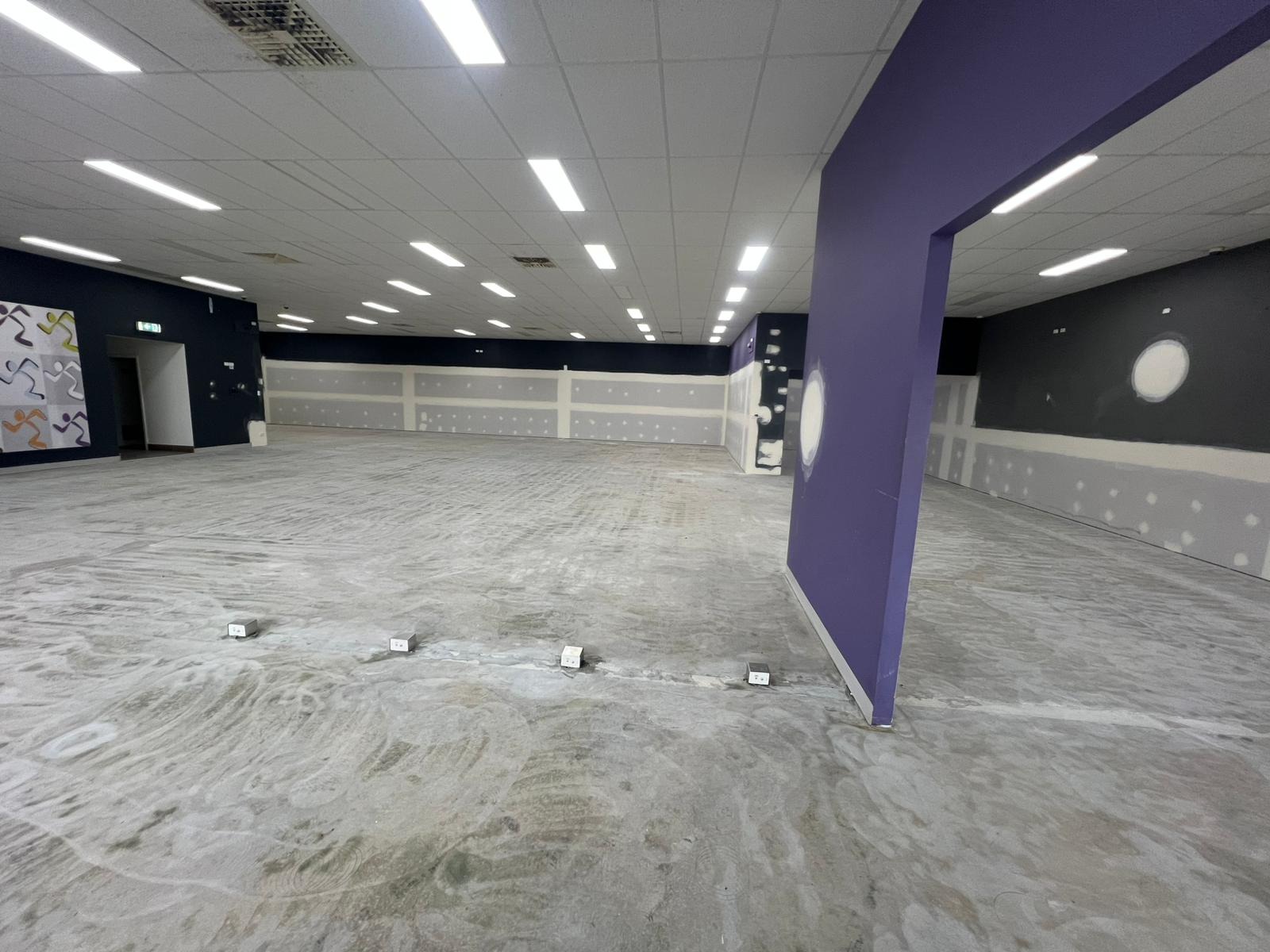
Common mistakes tenants make during fitout removal usually start long before the first wall comes down. Most problems are caused by rushed planning, misunderstood lease obligations, or underestimating how complex a commercial stripout can become.
For tenants in Perth, fitout removal is more than clearing out furniture and removing shopfitting. It is a structured process tied closely to defit and makegood requirements, compliance standards, timelines, and lease handover expectations.
Understanding the common mistakes tenants make during fitout removal can help avoid unnecessary costs, delays, and disputes with landlords.
Leaving the Defit Too Late
One of the biggest mistakes tenants make is delaying planning until the final weeks of the lease.
Office defit, warehouse defit, and shop defit projects all require time for inspections, approvals, contractor scheduling, and restoration work. Waiting too long creates pressure on every stage of the project and usually increases labour costs.
Starting early gives tenants more flexibility, better pricing, and enough time to handle unexpected issues properly.
Not Understanding Lease Obligations
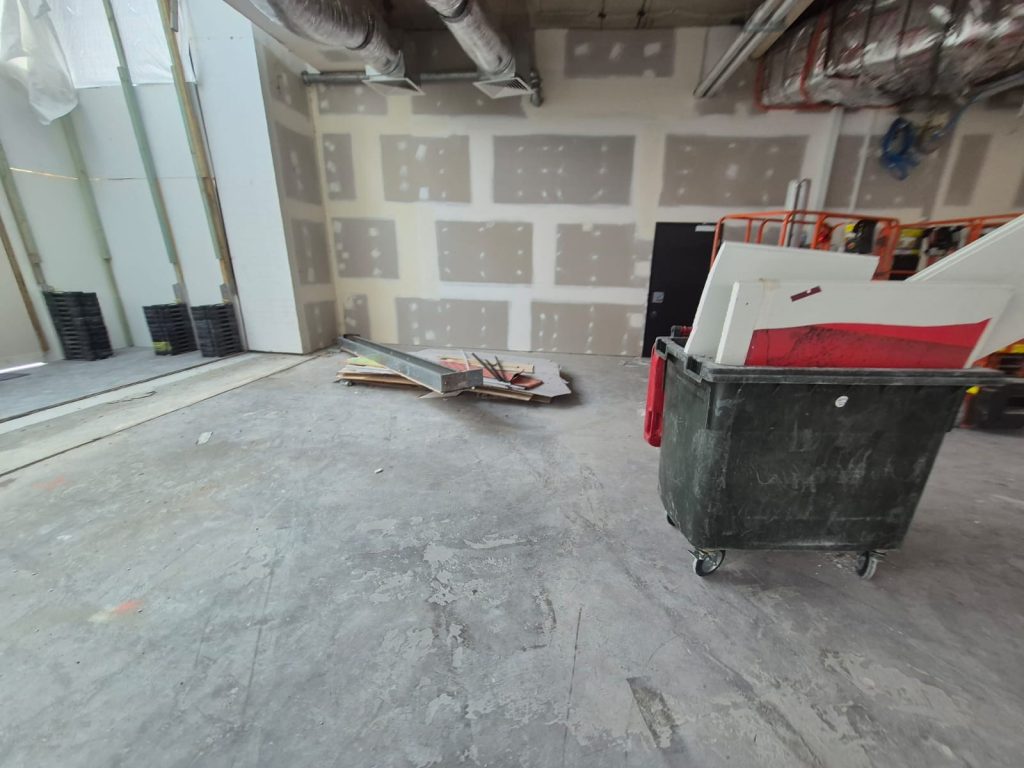
Many tenants begin a stripout without fully reviewing their lease agreement. This often leads to confusion around what actually needs to be removed or restored.
Some leases require complete fitout removal back to base building condition. Others may only require partial defit and makegood works. Misunderstanding these obligations can result in incomplete handovers or expensive rework later.
The lease should always define the project scope before any removal begins.
Assuming All Fitout Removal Is Simple
Fitout removal looks straightforward until hidden complexity appears.
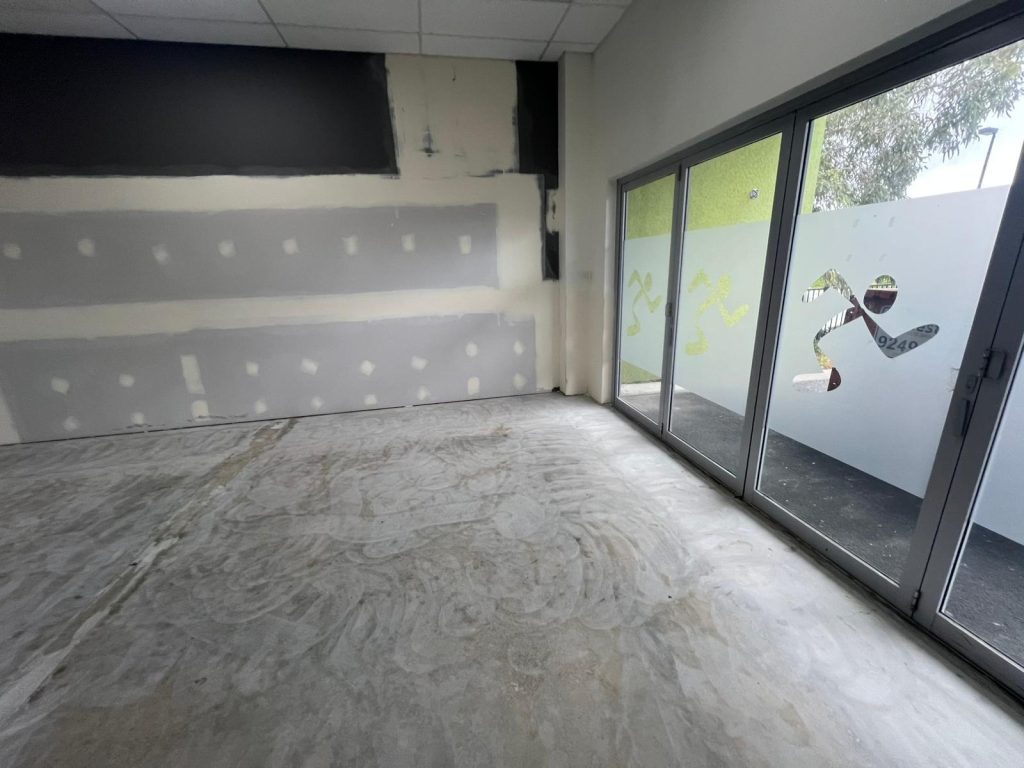
Shopfitting systems are often heavily integrated into walls, ceilings, flooring, and electrical services. Removing them safely may require licensed trades, specialised tools, and additional restoration work.
Tenants who underestimate the complexity of stripout projects usually face unexpected delays and higher costs.
Ignoring Services and Compliance Requirements
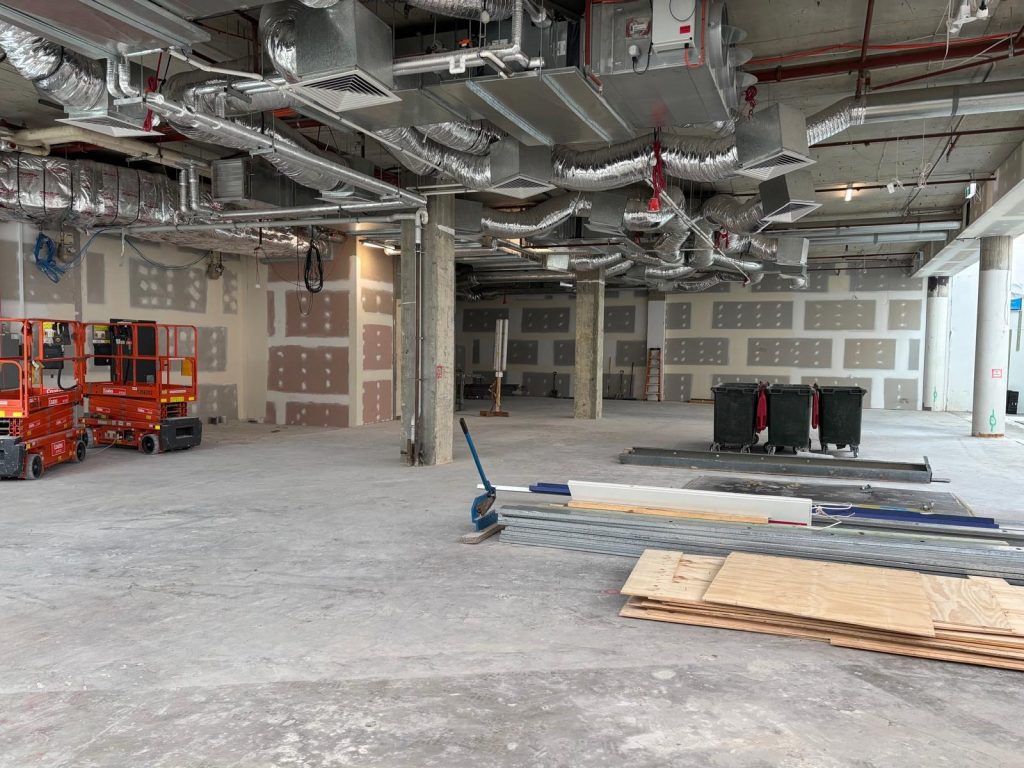
Electrical systems, plumbing, fire services, and HVAC setups are commonly modified during commercial tenancies. These systems cannot simply be disconnected casually during fitout removal.
Qualified trades are needed to isolate and restore services safely. Failure to manage this correctly can create safety risks, compliance issues, and failed inspections.
This is one of the most common problems in office defit and warehouse defit projects.
Choosing Contractors Based Only on Price
Low quotes often become expensive mistakes.
Some contractors price only the basic stripout while excluding waste removal, makegood works, or compliance requirements. Others may lack experience with commercial shopfitting removal altogether.
Experienced defit and makegood contractors understand sequencing, safety, and lease obligations. The cheapest quote rarely reflects the full project reality.
Failing to Budget for Makegood Works
Many tenants focus only on removal costs and forget about restoration.
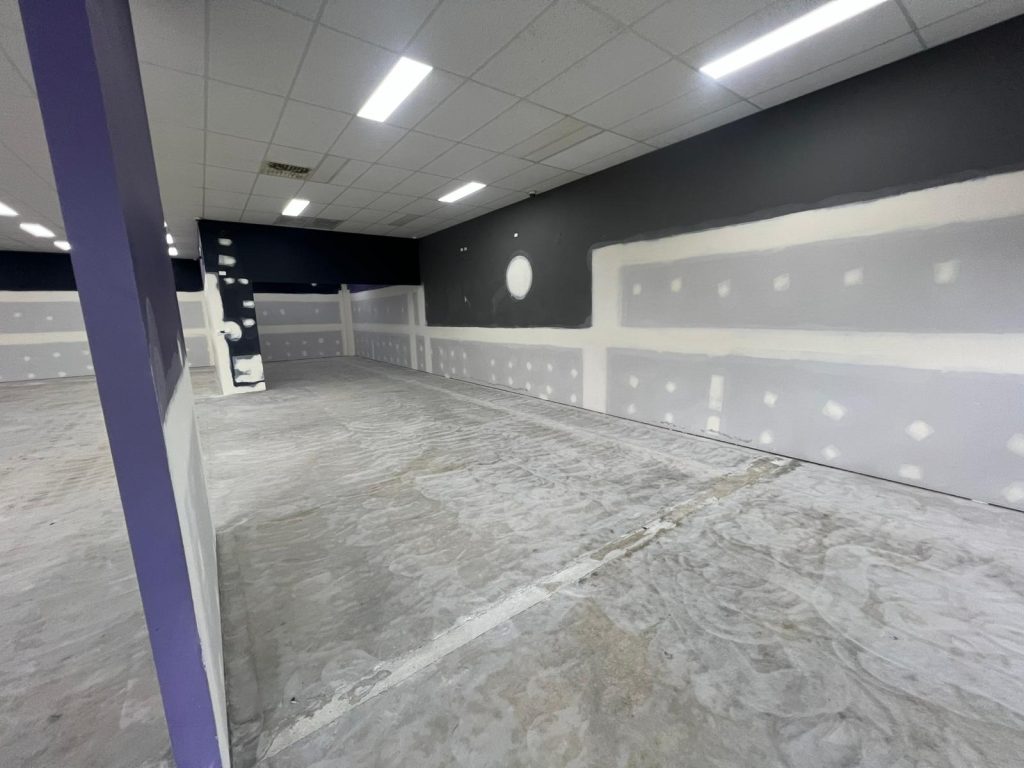
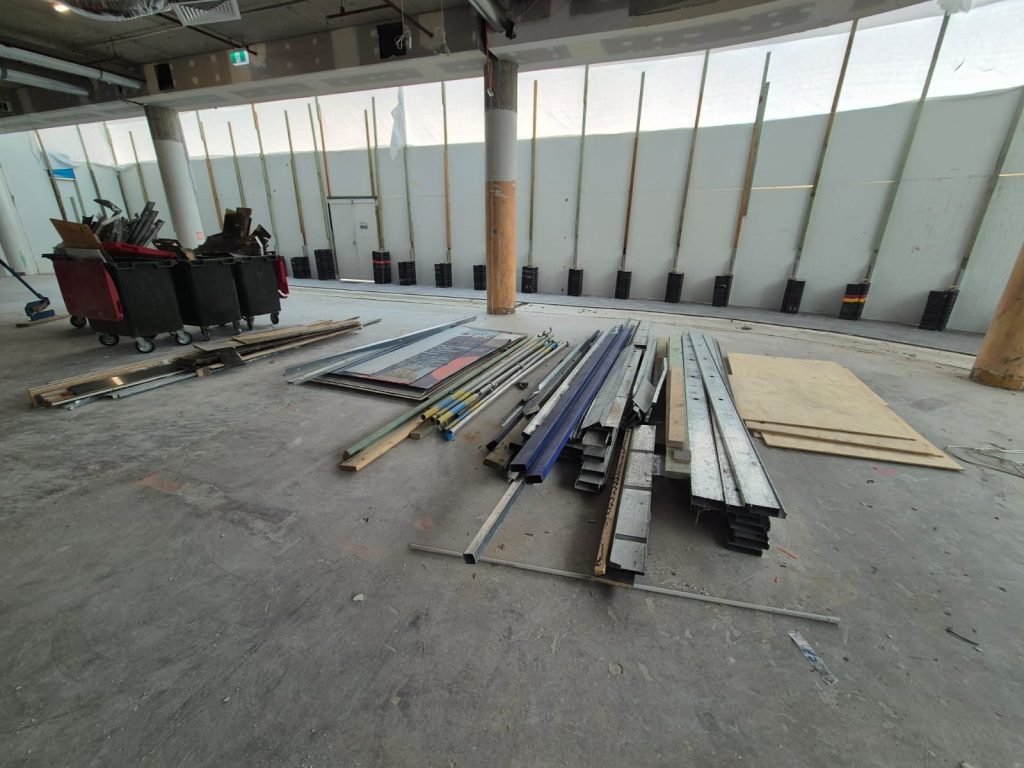
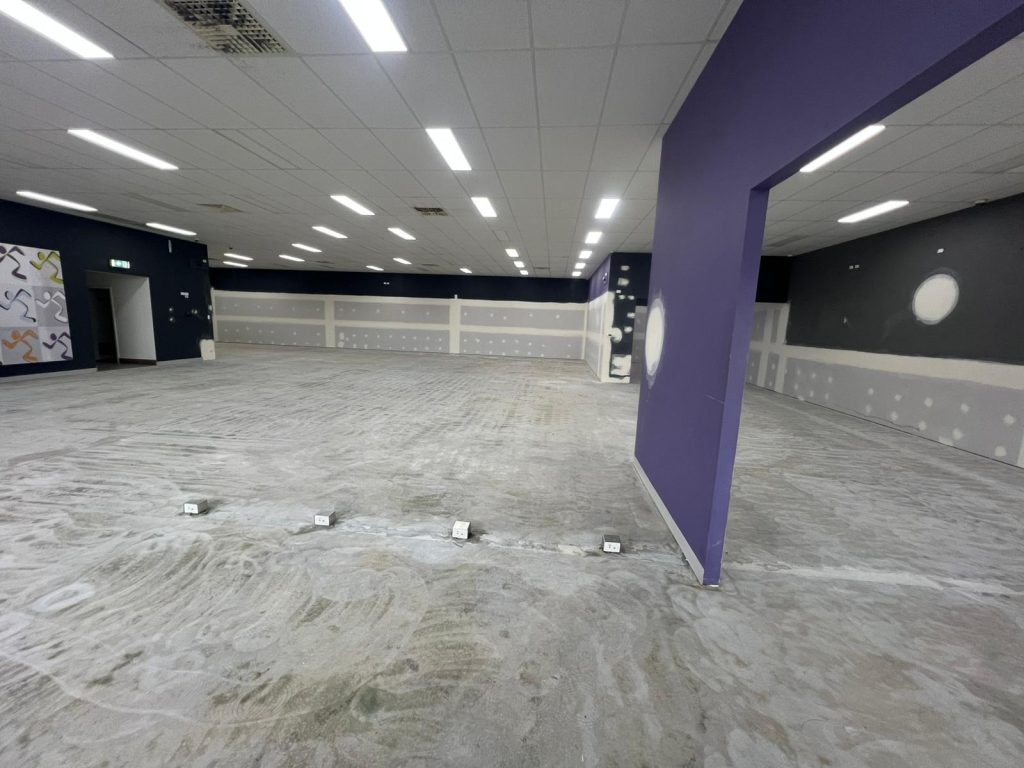
Once the stripout is complete, walls may need patching, ceilings repaired, floors reinstated, and surfaces repainted. Damage hidden behind shopfitting often becomes visible during removal.
Without budgeting for makegood works properly, tenants can quickly exceed their original expectations.
Poor Waste Management Planning
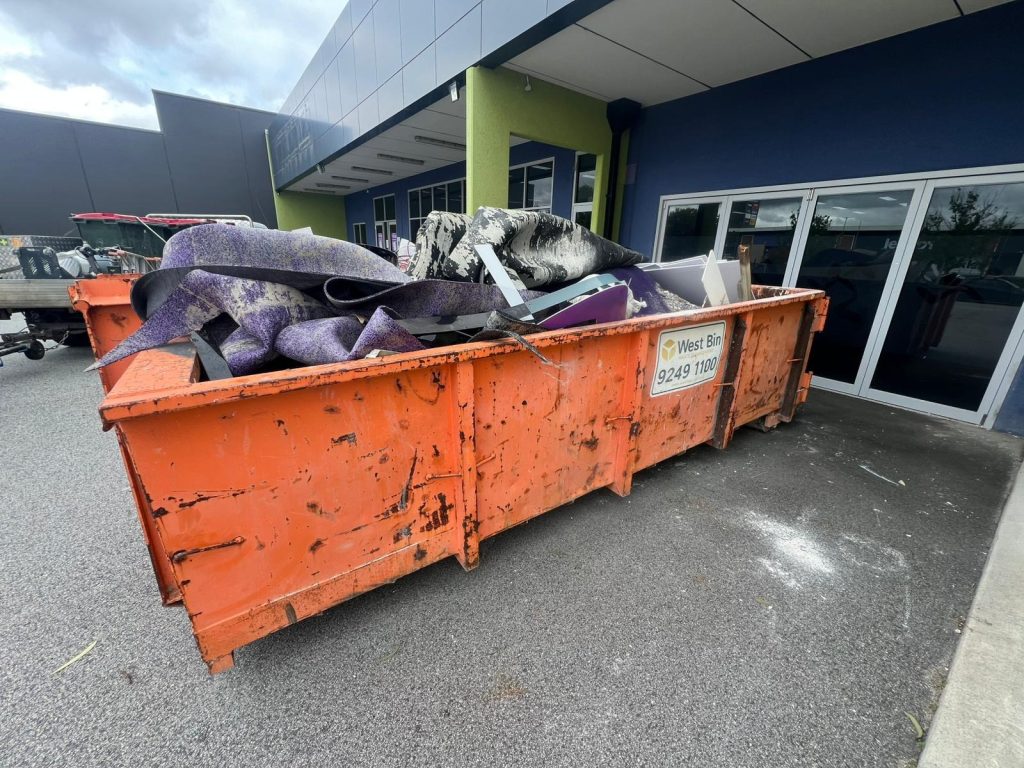
Commercial stripouts generate significant amounts of waste including timber, glass, plasterboard, cabling, and metal framing.
Without proper waste coordination, the site becomes congested and productivity slows down. In multi-storey buildings, lift access and loading dock restrictions can create even more delays.
Efficient waste handling is critical during any office defit or shop defit project.
Overlooking Building Access Restrictions
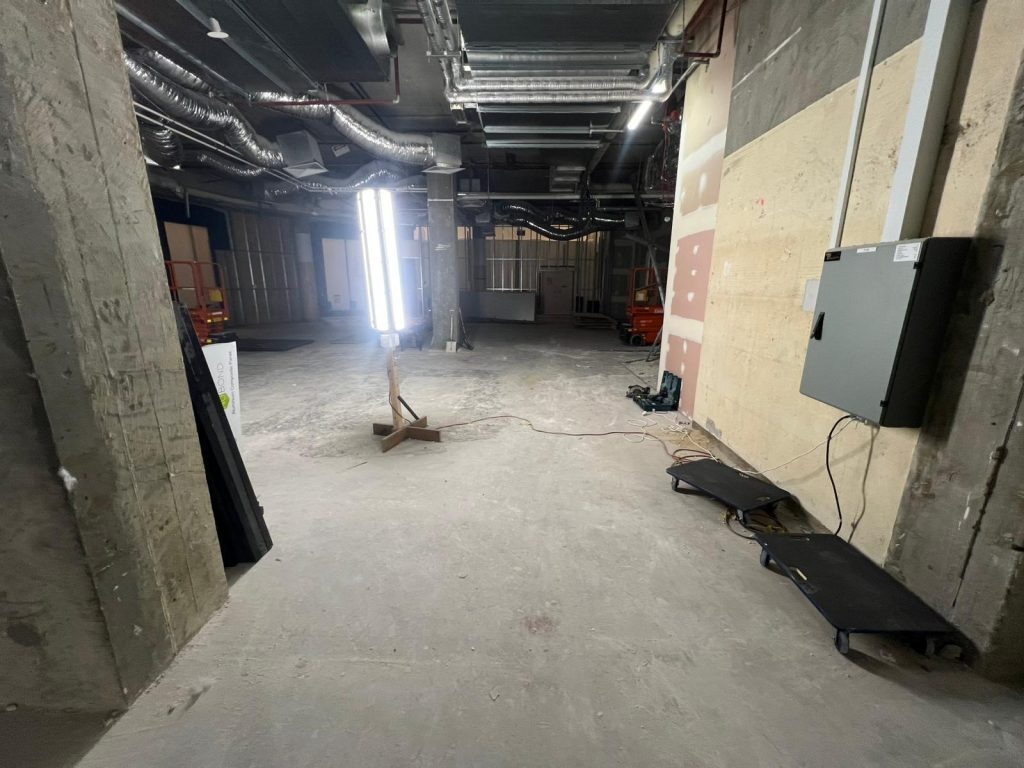
Commercial buildings often have strict rules around working hours, noise levels, and lift access.
Tenants who ignore these restrictions may face delays, additional charges, or interrupted work schedules. Some office defit projects can only be completed after hours or during weekends.
Understanding building management requirements early prevents unnecessary disruptions.
Not Allowing for Hidden Damage
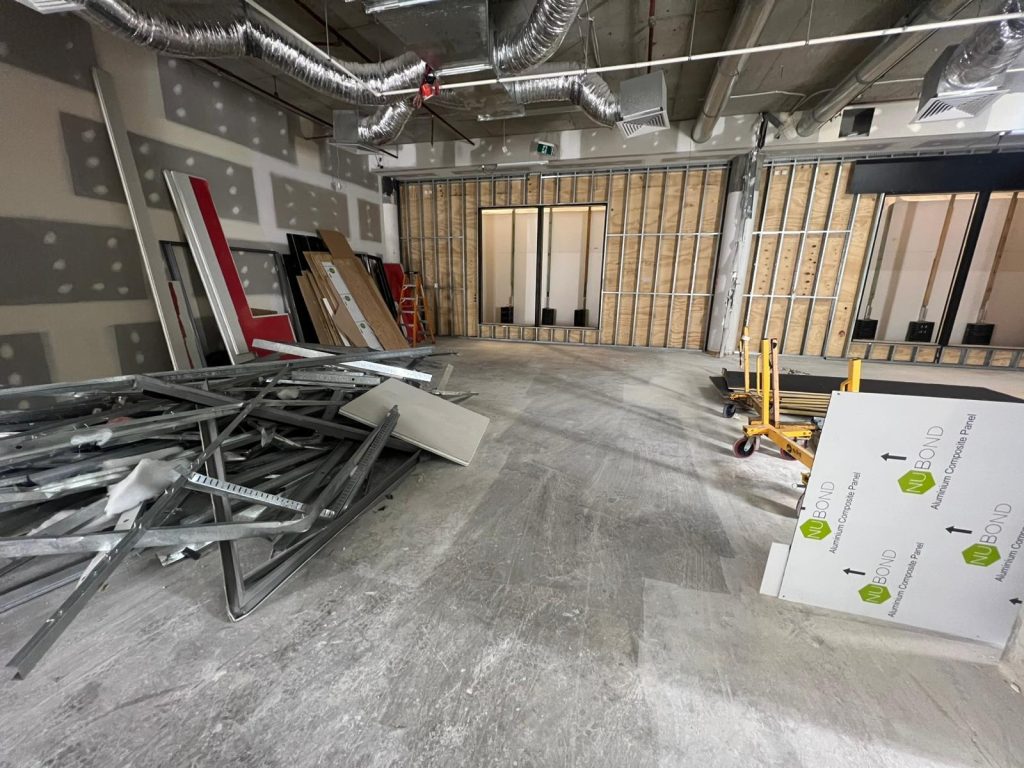
Once stripouts begin, hidden problems often appear. Water damage, outdated wiring, cracked flooring, or undocumented modifications can all be uncovered during fitout removal.
These discoveries affect both cost and timeline. Tenants who fail to allow contingency in their budget usually struggle when these issues surface.
A realistic approach always includes flexibility for the unexpected.
Rushing the Final Inspection Stage
Some tenants treat final inspection as a formality. It is not.
Landlords carefully assess whether defit and makegood obligations have been completed correctly. Missing repairs, incomplete stripout work, or poor restoration can delay handover and affect bond return.
The final stage should be planned just as carefully as the stripout itself.
Why Proper Planning Changes Everything
Most mistakes during fitout removal are preventable. Early planning, realistic budgeting, and experienced contractors dramatically reduce project risk.
Whether it is a shop defit, office defit, or warehouse defit, successful projects come down to coordination and preparation. Tenants who understand the process early usually avoid the biggest problems later.
FAQs About Fitout Removal Mistakes
What is the biggest mistake tenants make during fitout removal?
Leaving planning too late is one of the most common and costly mistakes.
Does shopfitting increase stripout complexity?
Yes. Heavily integrated shopfitting often requires more labour and restoration work.
Why are makegood works often underestimated?
Because many tenants focus only on removal costs and overlook repairs and reinstatement.
Can hidden damage affect the project timeline?
Yes. Damage uncovered during stripout can increase both cost and project duration.
Do office defit and warehouse defit projects differ?
Yes. Office spaces often involve more detailed finishes, while warehouse defit projects may involve heavier structural elements and services.