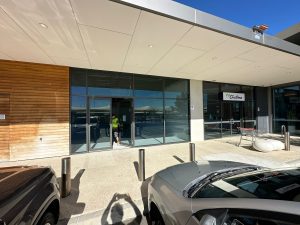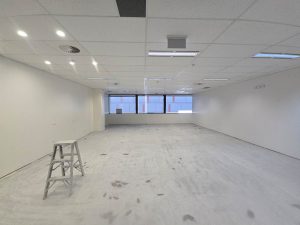
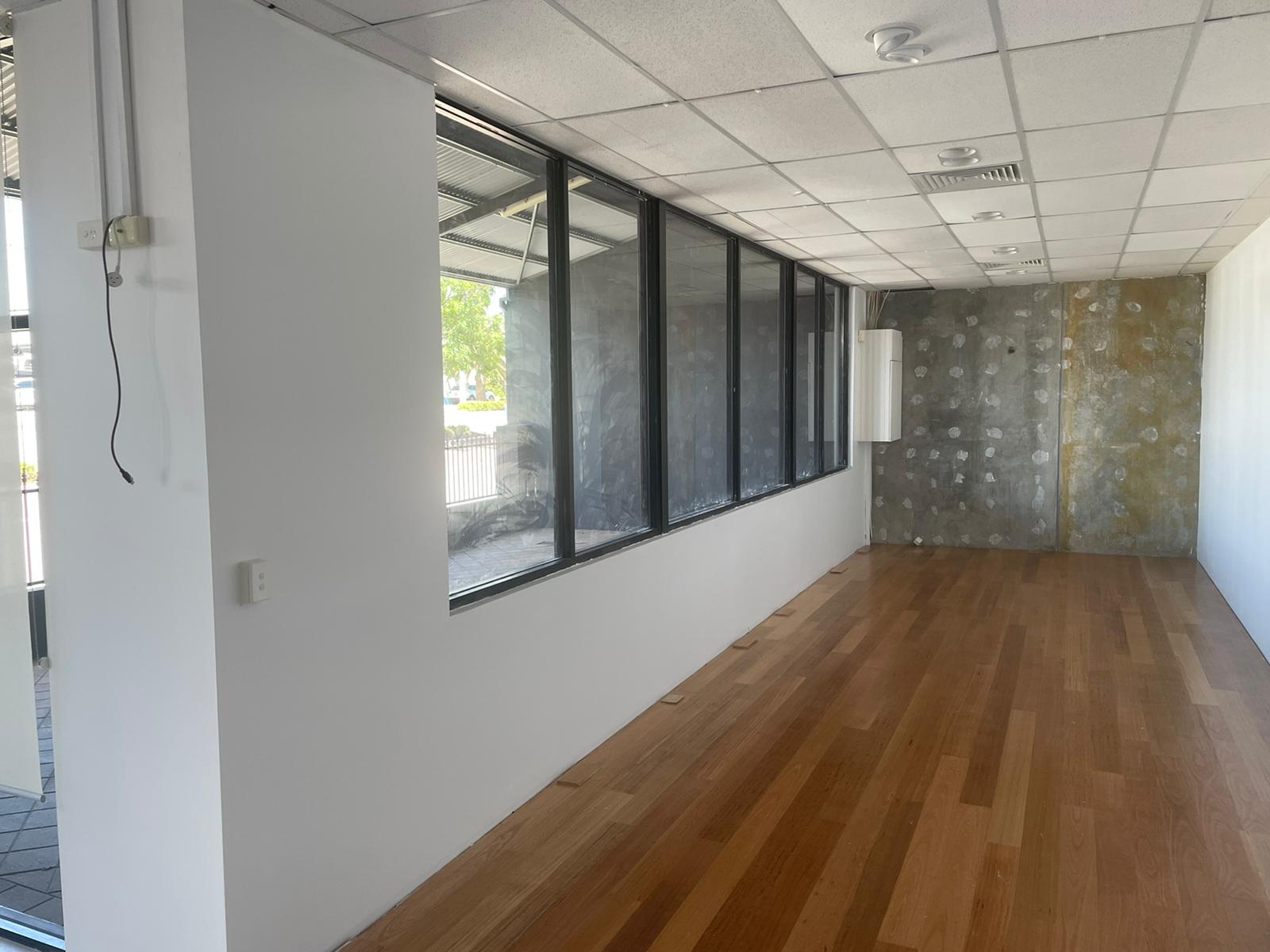
Office defit costs rarely come as a surprise. Most of the time, they are the direct result of decisions made years earlier during the fitout stage. Understanding how fitout choices impact office defit costs can save landlords, tenants, and business owners serious money when a lease ends, a space changes hands, or a building is repositioned for the next occupant.
In Perth’s commercial market, defit and makegood disputes often stem from fitouts that were designed for short-term function without thinking about long-term removal. What feels like a smart design decision today can quietly inflate business defit costs tomorrow.
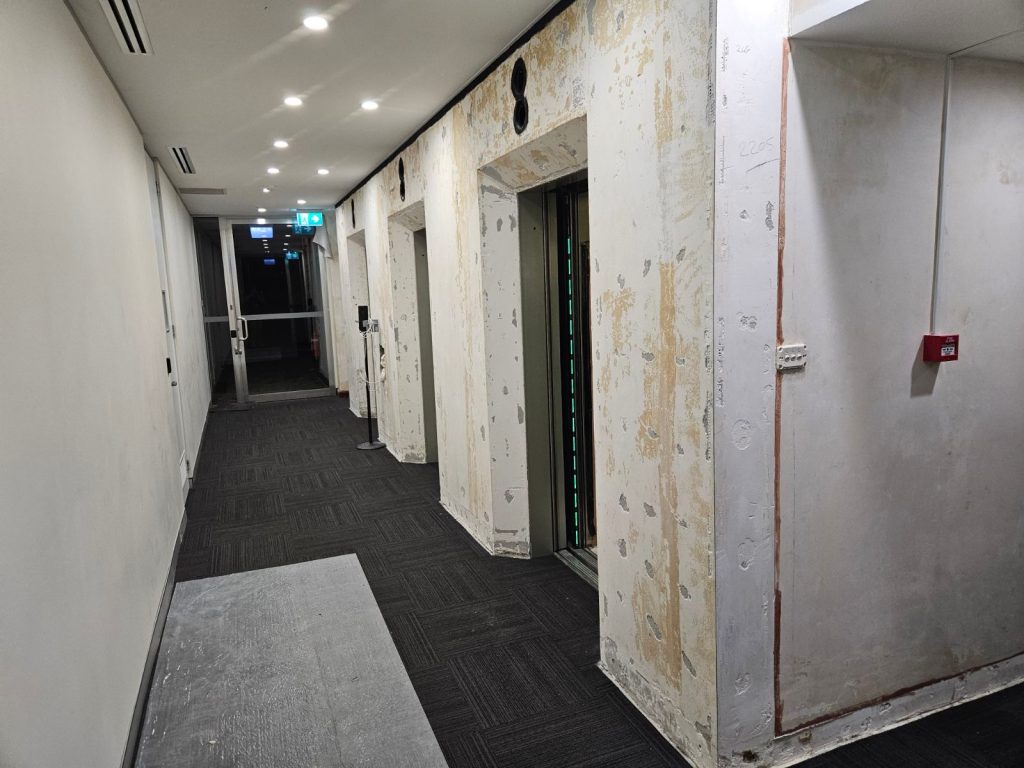
Why Defit Costs Are Largely Decided at Fitout Stage
Defit and makegood work is not just about removal. It is about how deeply a fitout integrates into the building. Every penetration, fix, and permanent alteration adds labour, compliance steps, and waste handling at defit stage.
A lightweight, modular fitout typically leads to a faster and cleaner defit. A heavily customised shopfitting or office layout with hard-fixed joinery and services baked into walls pushes defit costs higher. Once you understand this relationship, cost outcomes become far more predictable.
\
Fixed Versus Modular Fitouts and Their Defit Impact
Fixed fitouts usually involve joinery anchored into slabs, walls cut for services, custom ceilings, and hard-plumbed amenities. These choices almost always increase defit and makegood scope because removal requires demolition-style work and reinstatement of base building conditions.
Modular fitouts, on the other hand, are designed to be removed. Demountable partitions, surface-mounted services, and reusable elements reduce labour time and waste. From a defit perspective, modular decisions keep costs controlled and timelines shorter, especially in multi-tenant Perth buildings with strict handover deadlines.
Services Integration and Hidden Defit Costs
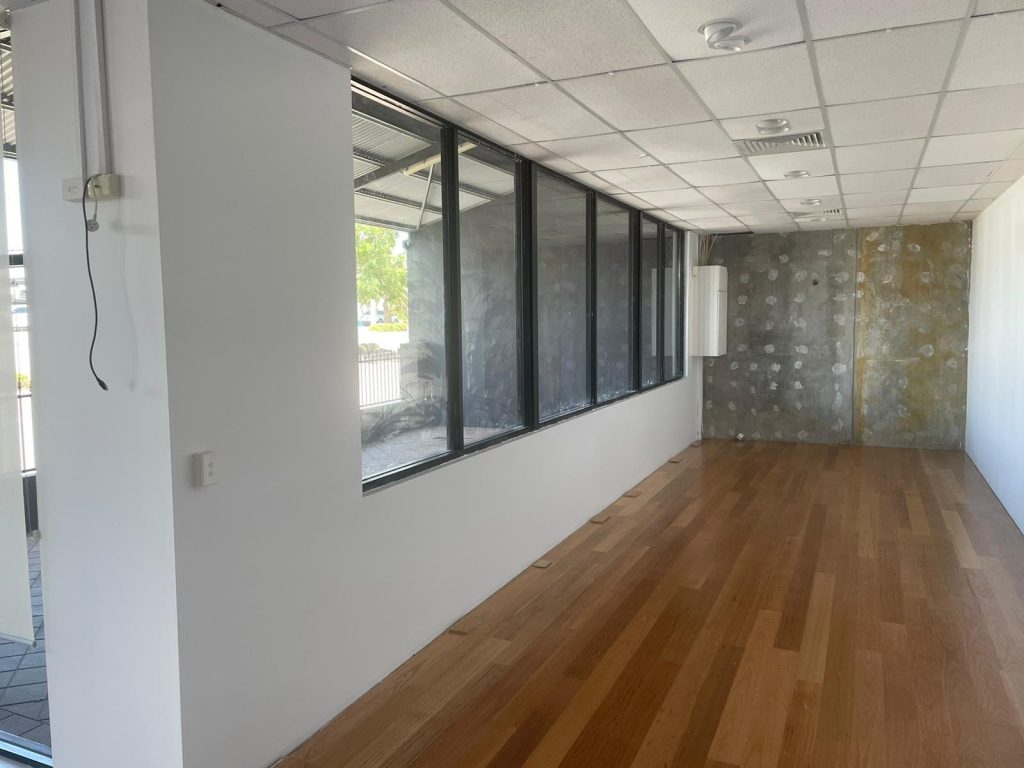
Electrical, data, fire, and HVAC decisions have a bigger impact on defit costs than most people expect. When services are concealed behind walls or embedded into ceilings without access points, removal becomes slower and riskier.
Poorly documented service modifications often lead to additional investigation, testing, and repair during defit and makegood. In contrast, fitouts that respect existing service zones and keep modifications reversible tend to simplify business defit works significantly.
Shopfitting Choices That Increase Makegood in Perth
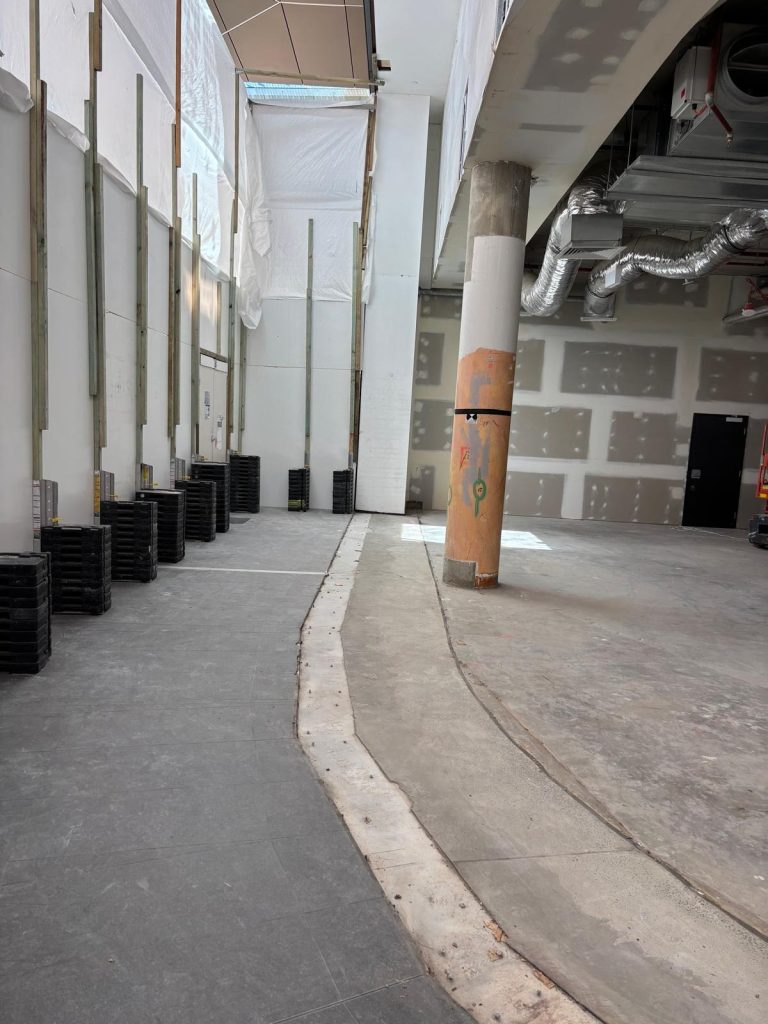
Retail and commercial shopfitting often prioritises brand presence over exit strategy. Feature walls, bulkheads, signage frames, and custom flooring are common cost drivers during makegood in Perth.
These elements usually require patching, repainting, floor reinstatement, and sometimes structural repair. When shopfitting decisions ignore lease obligations, tenants often absorb higher makegood costs at the end of the term, even if the fitout delivered strong short-term value.
How Materials Affect Removal Time and Waste Costs
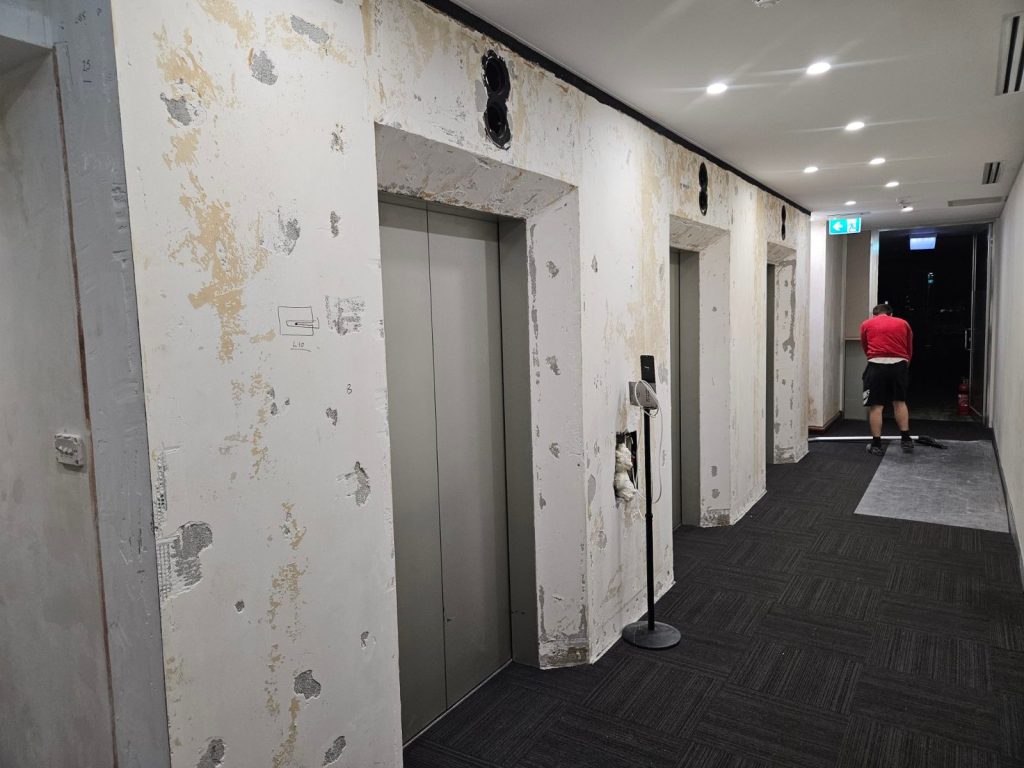
Material selection directly affects labour and disposal expenses. Heavy materials such as stone, brick, and solid timber take longer to dismantle and generate more waste. They may also trigger additional demolition services if removal risks damaging the base structure.
Lightweight materials like aluminium framing, glass systems, and modular panels are quicker to remove and easier to recycle. Over the life of a lease, these choices often reduce total defit and makegood expenditure, not just the initial build cost.
Landlord Perspective on Fitout Decisions
From a landlord’s point of view, fitout choices determine how quickly a space can be re-leased. Complex defits delay inspections, approvals, and new tenant works. This increases vacancy risk and holding costs.
Landlords who guide tenants toward defit-friendly fitouts often benefit later through faster turnovers and fewer disputes. Clear fitout guidelines aligned with defit and makegood expectations help protect asset value without limiting tenant flexibility.
Tenant Perspective on Long-Term Defit Exposure
Tenants usually focus on upfront fitout budgets and operational needs. Defit costs feel distant until lease expiry approaches. By then, options are limited.
Tenants who understand how fitout choices impact office defit costs early can negotiate smarter designs, request landlord approvals that reduce reinstatement scope, and avoid last-minute cost shocks. This is especially important for growing businesses that expect to relocate or expand.
When Demolition Services Become Unavoidable
Some fitouts cross the line from removable to permanent. Structural alterations, slab penetrations, and non-compliant modifications often require demolition services during defit.
This is where costs escalate quickly. What could have been a standard defit and makegood project becomes a regulated demolition task involving additional safety controls, waste segregation, and inspections. These outcomes almost always trace back to early design decisions.
Planning Fitouts With Defit in Mind
The most cost-effective business defit projects are planned before the fitout even begins. This does not mean compromising on quality or branding. It means designing with reversibility, documentation, and lease alignment in mind.
Fitouts that respect base building conditions, limit permanent changes, and consider eventual removal create smoother exits for tenants and faster resets for landlords.
FAQs About Fitout Decisions and Office Defit Costs
Do all fitouts require a full defit at lease end?
No. The scope depends on lease terms and how the fitout was installed. Some elements may remain if agreed with the landlord.
Can fitout choices affect makegood costs in Perth specifically?
Yes. Local building standards, waste regulations, and access constraints influence how materials are removed and reinstated.
Is defit and makegood cheaper if planned during fitout design?
Almost always. Planning ahead reduces labour, waste, and unexpected compliance work later.
When do demolition services apply instead of standard defit work?
Demolition services are usually required when fitouts involve structural changes or permanent alterations to the building.
Who pays for defit costs, landlords or tenants?
In most cases, tenants are responsible under the lease, unless negotiated otherwise.