Makegood requirements are one of the most misunderstood parts of a Perth commercial lease. They look simple on paper. In practice, they determine how much a tenant spends at the end of a lease and how quickly a landlord can re-lease the property.
For landlords, business owners, and tenants, understanding makegood requirements early prevents disputes, delays, and unexpected business defit costs. The issue is rarely about willingness to comply. It is usually about clarity.
What Makegood Requirements Actually Mean
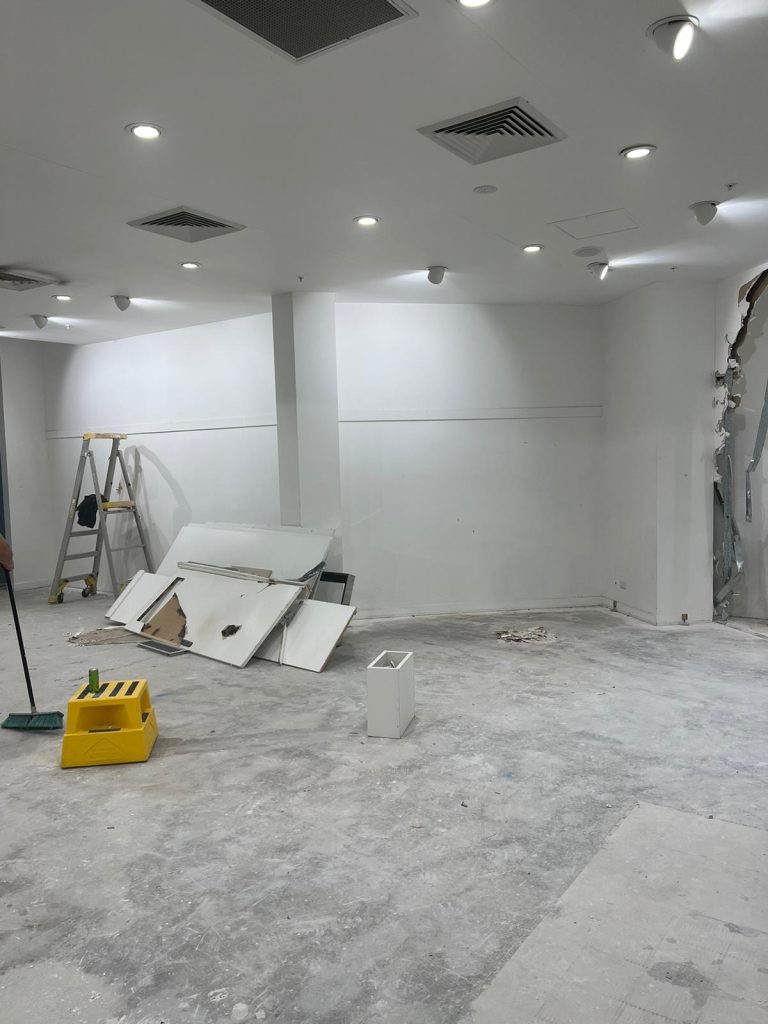
Makegood requirements define the condition a premises must be returned to at lease expiry. That condition might be base building, original handover state, or another agreed standard written into the lease.
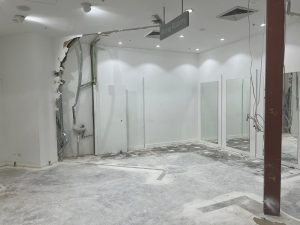
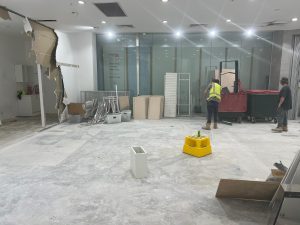
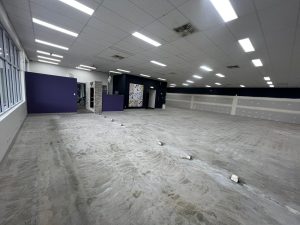
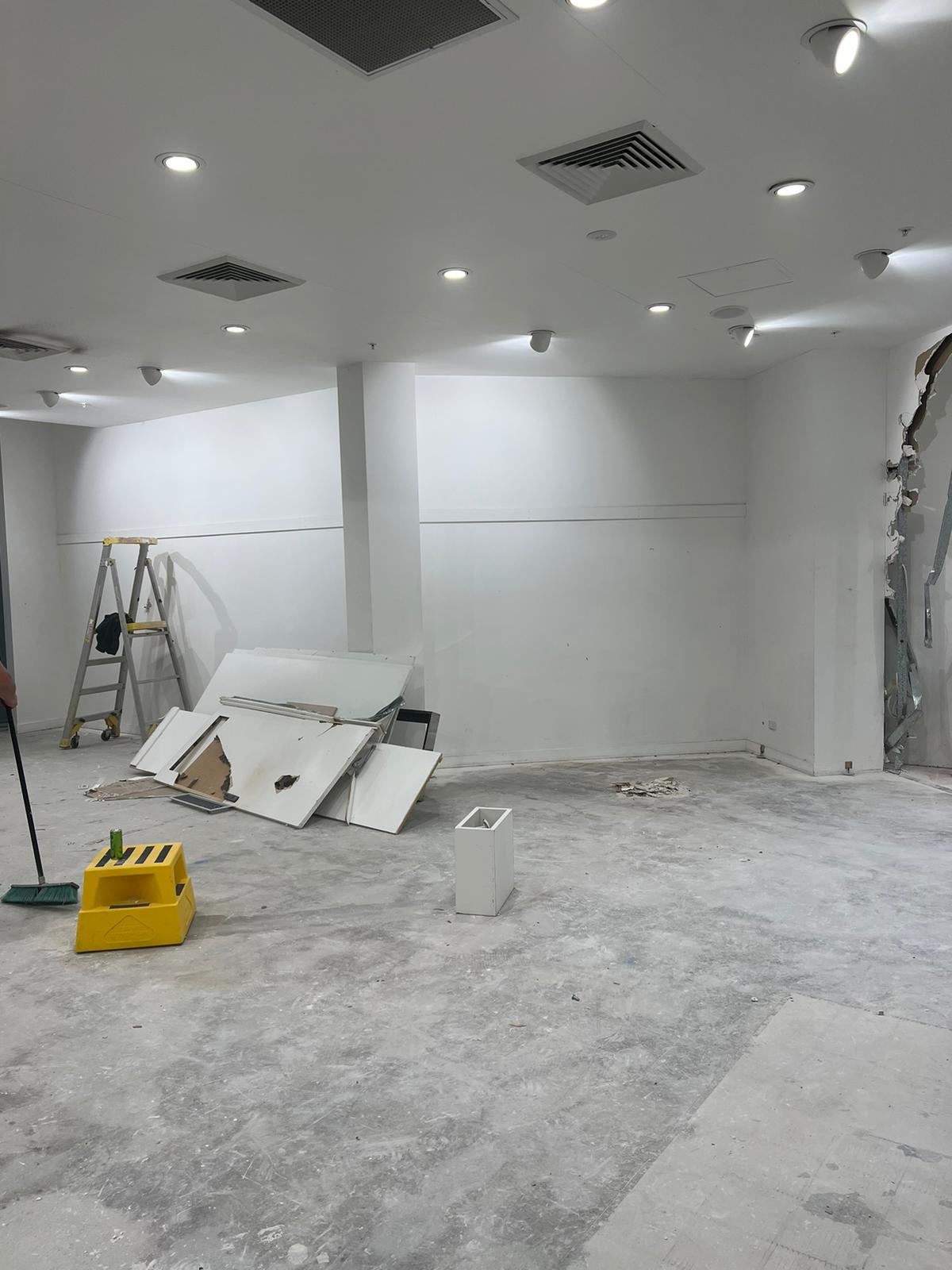
In Perth commercial properties, makegood requirements often include removal of tenant-installed shopfitting, reinstatement of walls and ceilings, repair of flooring, repainting, and professional cleaning. The exact scope depends entirely on the lease wording.
A vague clause can easily add tens of thousands of dollars to a final invoice.
Base Building vs Original Condition
Two phrases frequently appear in commercial leases: base building condition and original condition. They are not the same.
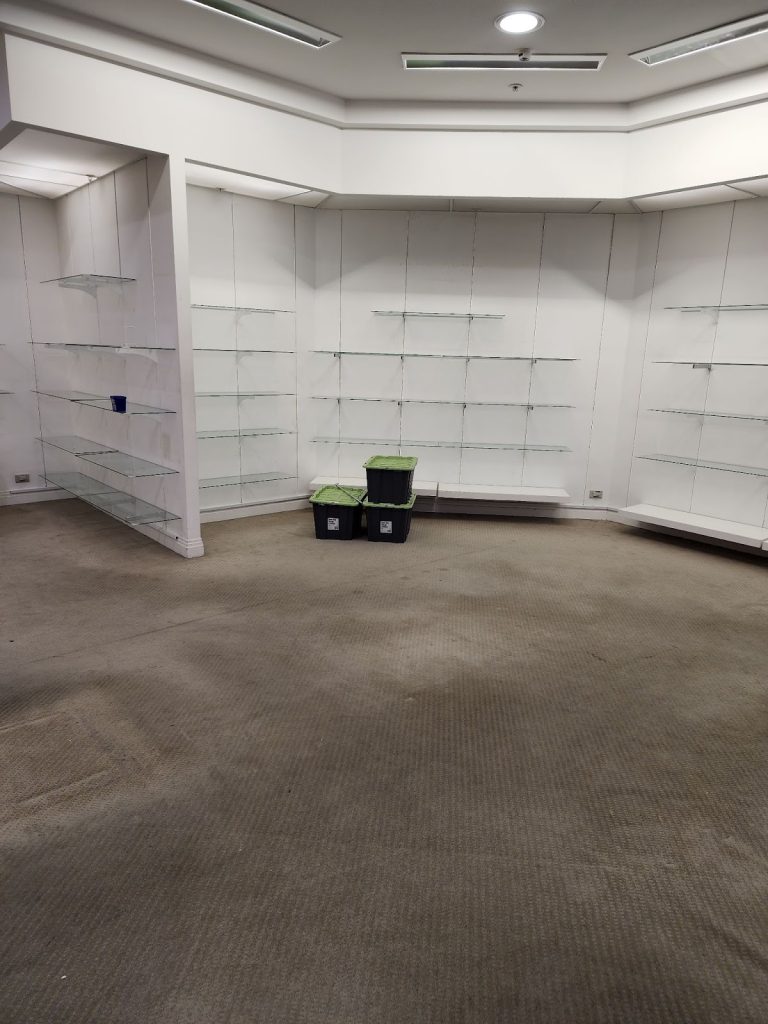
Base building typically refers to the core shell provided by the landlord. This may include structural walls, standard ceilings, basic services, and unfinished flooring.
Original condition refers to the state of the premises at lease commencement. If the tenant accepted an upgraded space, makegood requirements may involve restoring it to that specific configuration rather than stripping it back to bare shell.
The difference significantly affects office defit, shop defit, and warehouse defit scope.
How Shopfitting Impacts Makegood Obligations
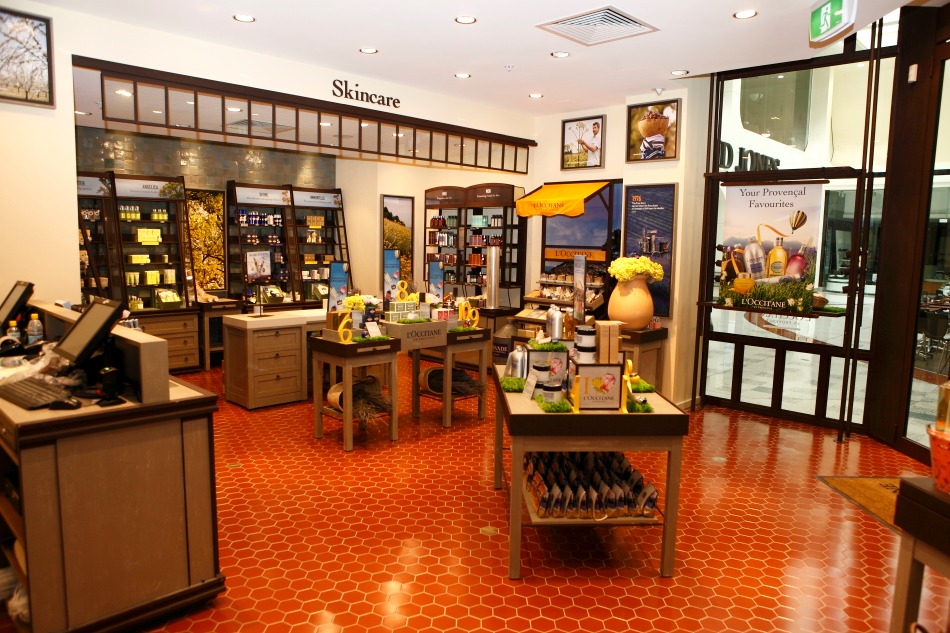
Shopfitting decisions often shape the scale of future strip-outs. Custom joinery fixed into slabs, bulkheads integrated into mechanical systems, tiled feature walls, and embedded signage frames all increase removal complexity.
When shopfitting integrates deeply into the structure, defit and makegood works move beyond simple removal. They may involve patching penetrations, rebalancing air-conditioning systems, upgrading fire compliance, or reinstating damaged finishes.
Retail tenants are often surprised at how heavily shop design influences end-of-lease exposure.
Office Defit and Reinstatement Expectations
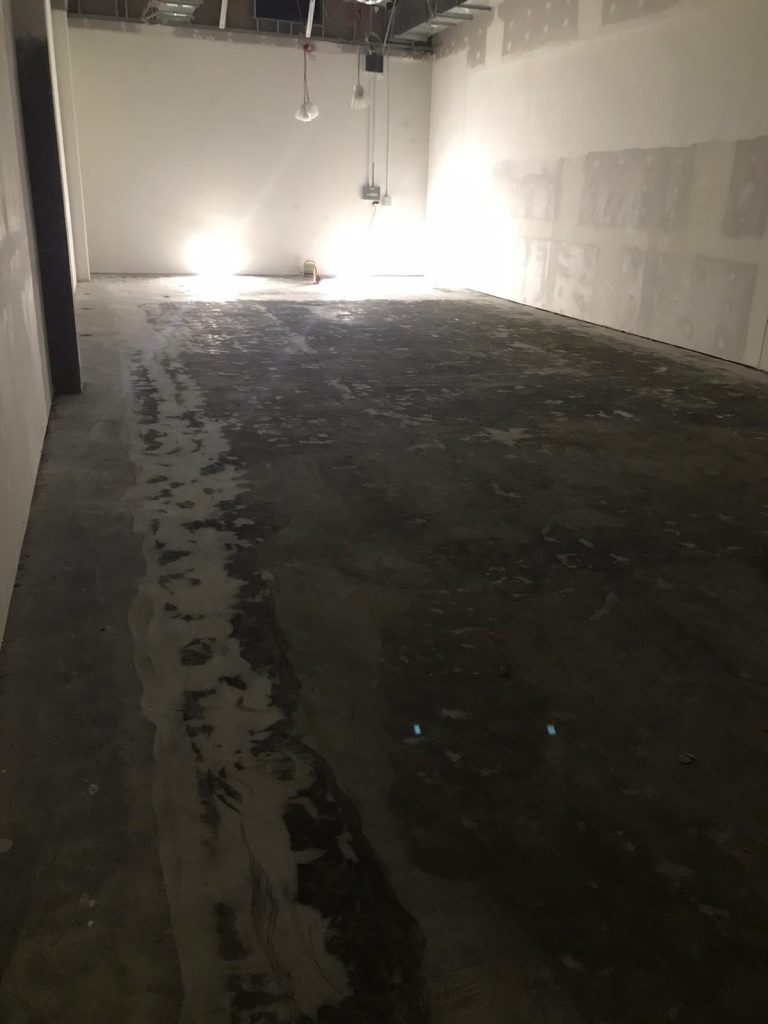
Office defit projects typically involve demountable partitions, workstations, meeting rooms, and service modifications. Makegood requirements may demand removal of these partitions, repainting to landlord-approved colours, ceiling repairs, and restoration of electrical layouts.
In Perth’s multi-tenant commercial buildings, landlords often expect the premises to be ready for the next occupier without further capital works. That expectation shapes how thorough the defit and makegood process must be.
Incomplete reinstatement usually leads to failed inspections and bond deductions.
Warehouse Defit and Industrial Leases
Warehouse defit projects tend to focus on larger structural alterations, mezzanines, racking penetrations, roller door modifications, and electrical upgrades.
Makegood requirements in industrial leases may include slab repairs, removal of bolted structures, repainting damaged walls, and reinstating base lighting layouts. Because warehouse strip-outs often involve heavier materials, costs can escalate quickly if obligations are not reviewed early.
Industrial tenants benefit from understanding these requirements long before relocation planning begins.
Common Makegood Inclusions in Perth Leases
While every lease differs, common inclusions appear repeatedly across Perth commercial properties.
Removal of all tenant-installed partitions, signage, and floor coverings.
Repair of damage caused during occupation.
Repainting walls to original or neutral specifications.
Cleaning of the entire premises to commercial standards.
These expectations form the backbone of most business defit and makegood projects.
Where Disputes Commonly Arise
Disagreements usually stem from three issues: unclear lease clauses, undocumented changes during the tenancy, and assumptions about fair wear and tear.
If shop defit works uncover unrecorded service alterations, responsibility may be disputed. If repainting specifications are not clearly defined, colour disagreements can delay handover. If landlords and tenants interpret original condition differently, scope expands unexpectedly.
The solution is documentation. Entry condition reports, approved drawings, and written variation approvals reduce ambiguity later.
Planning for Makegood Early
Makegood requirements should influence decisions from day one of a lease, not just at expiry. Tenants planning shopfitting or office upgrades should consider how those works will eventually be removed.
Designing fitouts that are reversible reduces strip-outs complexity. Surface-mounted services, modular partitions, and minimal slab penetrations lower future business defit costs.
Landlords who clearly outline makegood expectations at lease commencement also protect themselves from prolonged vacancy periods between tenants.
How to Minimise Financial Risk
Tenants can reduce risk by reviewing lease clauses with a property advisor before signing. Understanding makegood requirements upfront allows for more accurate long-term budgeting.
Scheduling a pre-expiry inspection months before lease end helps identify potential reinstatement issues early. This avoids last-minute pressure and inflated contractor rates.
For landlords, engaging experienced defit and makegood contractors ensures works are completed to specification, reducing rework and re-leasing delays.
Why Makegood Requirements Matter More Than You Think
Makegood requirements are not administrative fine print. They are a financial obligation that can rival the original fitout cost.
For business owners, they affect relocation budgets and cash flow. For tenants, they determine bond recovery. For landlords, they influence asset presentation and market readiness.
Handled strategically, defit and makegood projects become controlled transitions. Ignored or misunderstood, they become disputes.Understanding makegood requirements in Perth commercial leases is not just about compliance. It is about protecting value on both sides of the agreement.