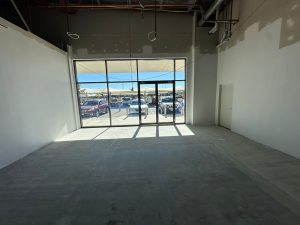
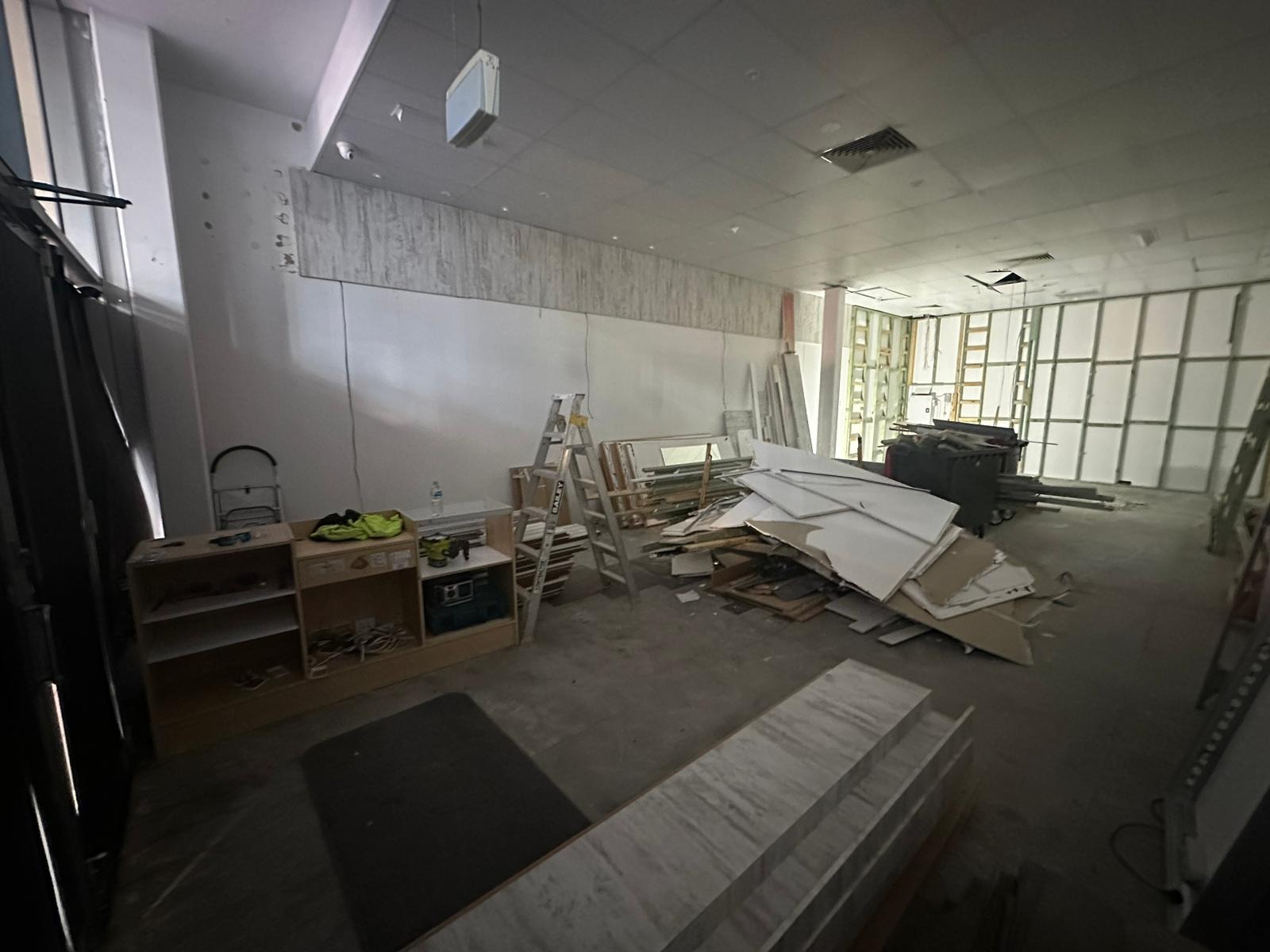
What happens during a commercial stripout is something many tenants only fully understand once the project has already started. From the outside, it can look like a simple removal job. In reality, commercial stripouts involve planning, compliance, fitout removal, waste handling, and restoration coordination.
For landlords, business owners, and tenants in Perth, understanding what happens during a commercial stripout helps avoid delays, budget overruns, and lease handover disputes. A properly managed stripout protects the building while preparing the space for future occupancy or redevelopment.
Understanding the Purpose of a Commercial Stripout
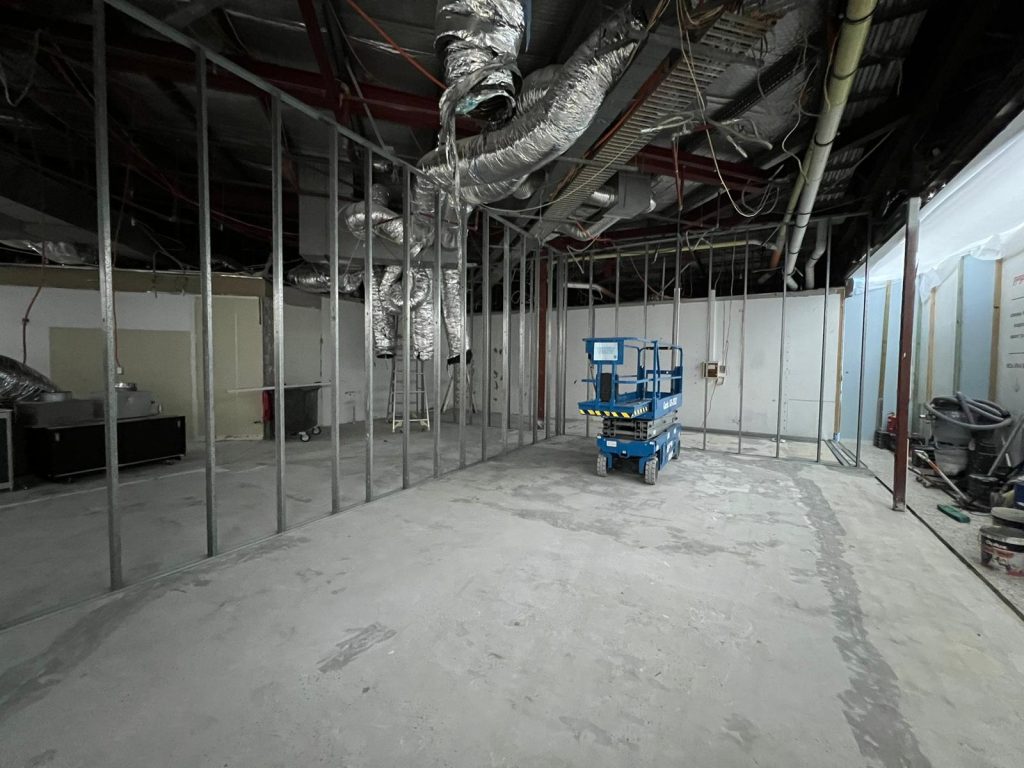
The main goal of a commercial stripout is to remove tenant-installed elements from a premises while preserving the base building structure.
This process is often part of larger defit and makegood obligations at the end of a commercial lease. It may involve dismantling shopfitting, removing partitions, disconnecting services, and clearing the site for restoration works.
Every project differs depending on how the original fitout was designed and installed.
Initial Site Inspection and Project Assessment
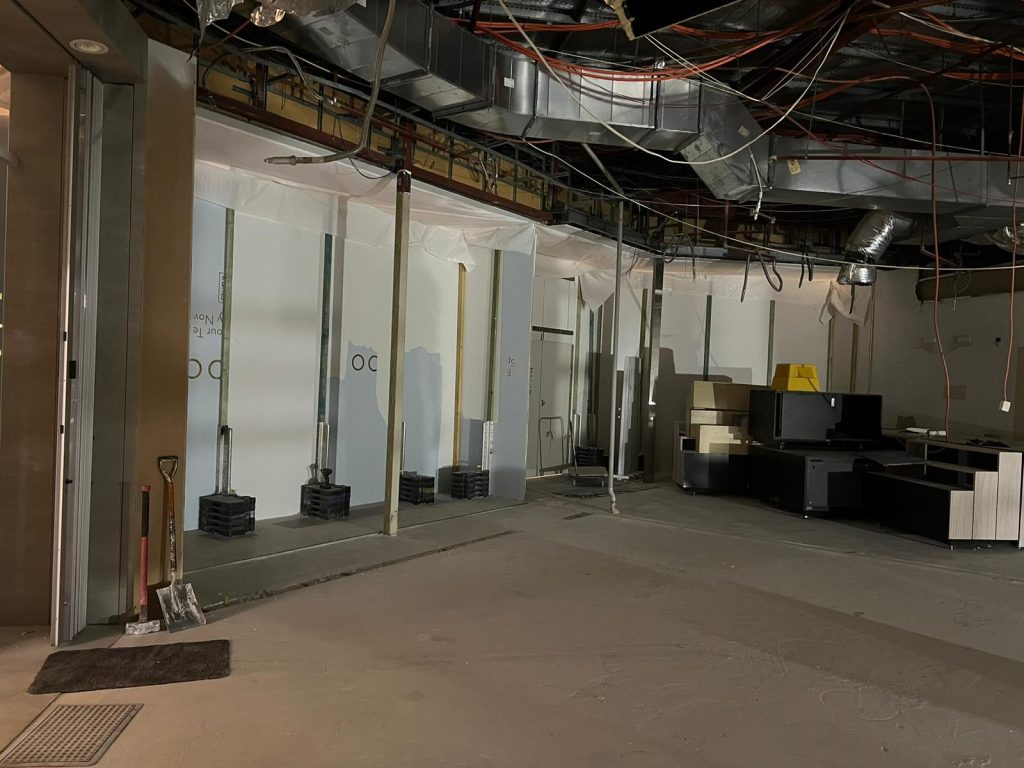
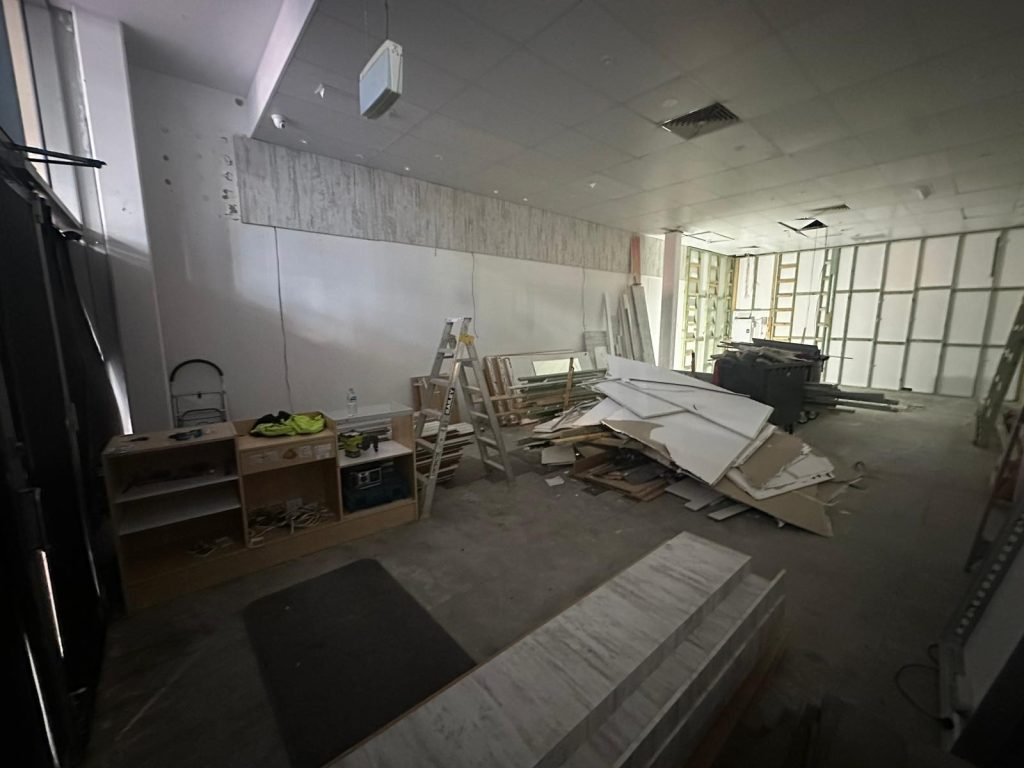
The first stage in understanding what happens during a commercial stripout is the site inspection. Contractors assess the premises to identify what needs to be removed, what services are connected, and what risks may affect the timeline.
This stage also helps determine whether there are hidden complexities linked to shopfitting, integrated electrical systems, or structural modifications.
A proper assessment reduces the risk of delays later in the project.
Reviewing Lease Requirements Before Work Starts
Most commercial leases contain makegood clauses outlining how the property must be returned at lease expiry.
Some leases require complete fitout removal back to base building condition, while others allow certain installations to remain. Reviewing these obligations early is essential because they define the scope of both stripouts and defit and makegood works.
Misunderstanding the lease can quickly increase project costs.
Disconnecting Services Safely
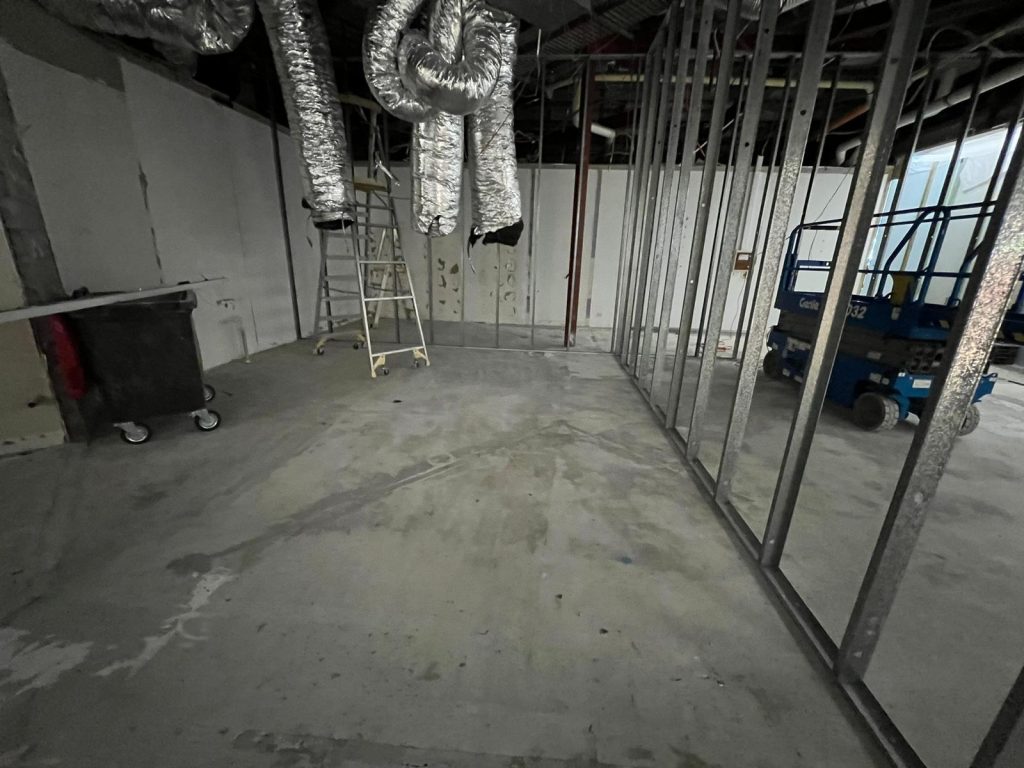
Before physical removal begins, all connected services must be managed properly. Electrical systems, data cabling, plumbing, fire services, and HVAC systems often need to be isolated or reconfigured.
Licensed trades handle these tasks to ensure the building remains compliant and safe throughout the stripout process.
This stage is often more complex than tenants expect, especially in heavily modified commercial spaces.
Removing Shopfitting and Internal Fitouts
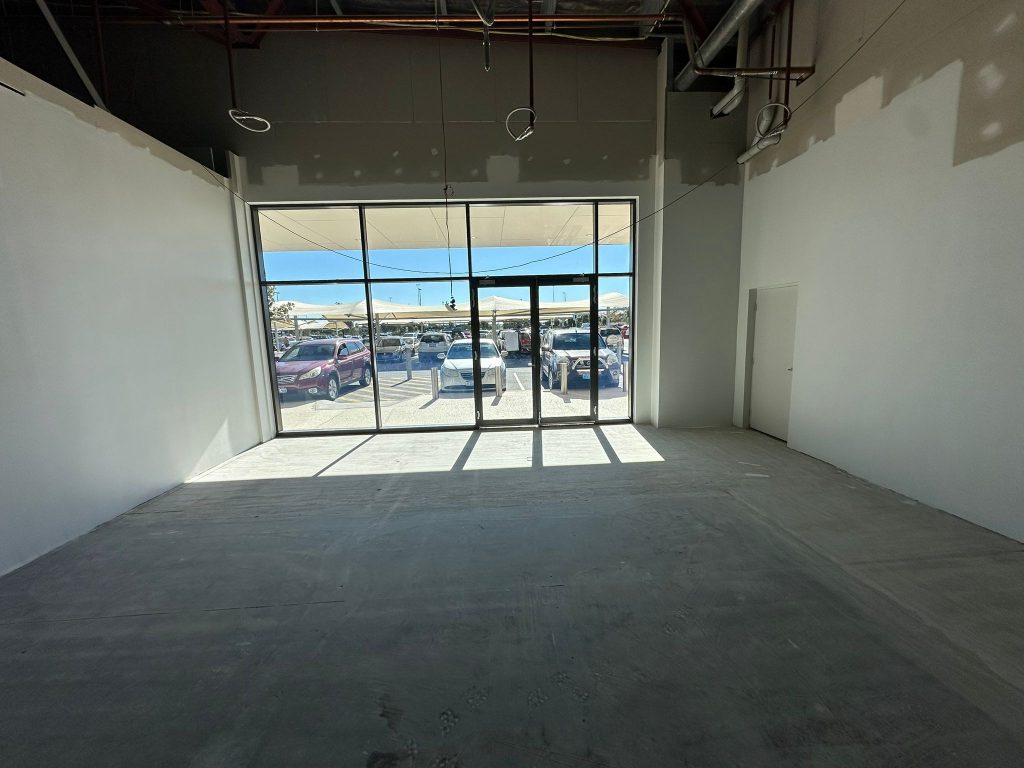
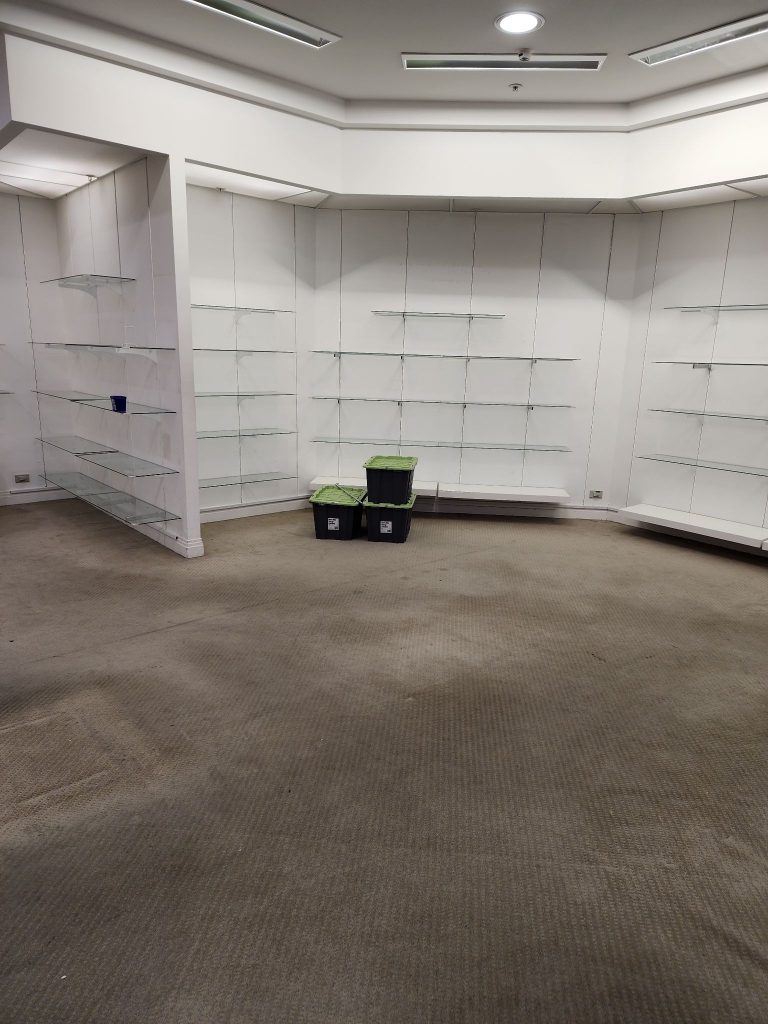
Once the site is prepared, fitout removal begins. This includes removing partitions, ceilings, flooring, signage, cabinetry, and shopfitting elements installed during the tenancy.
Retail projects usually involve more detailed shopfitting removal because counters, display systems, and branded installations are often fixed heavily into the premises. Office stripouts tend to focus on meeting rooms, workstations, and internal partitions.
The more customised the fitout, the more labour-intensive the stripout becomes.
Managing Waste and Material Disposal
One of the largest parts of what happens during a commercial stripout is waste handling. Stripouts generate significant volumes of debris including timber, metal, glass, plasterboard, and cabling.
Contractors coordinate waste removal to keep the site clear and compliant with building requirements. Recycling and responsible disposal are also important considerations during commercial defit projects.
Poor waste planning can slow down the entire project.
Dealing With Hidden Damage During Stripouts
Once fitout removal begins, hidden issues often appear behind walls, ceilings, and flooring.
Water damage, worn surfaces, undocumented electrical modifications, or structural wear may only become visible during the stripout process. These discoveries can affect both budget and timeline.
This is one reason experienced contractors build contingency into commercial stripout planning.
Insurance Debris and Unexpected Claims
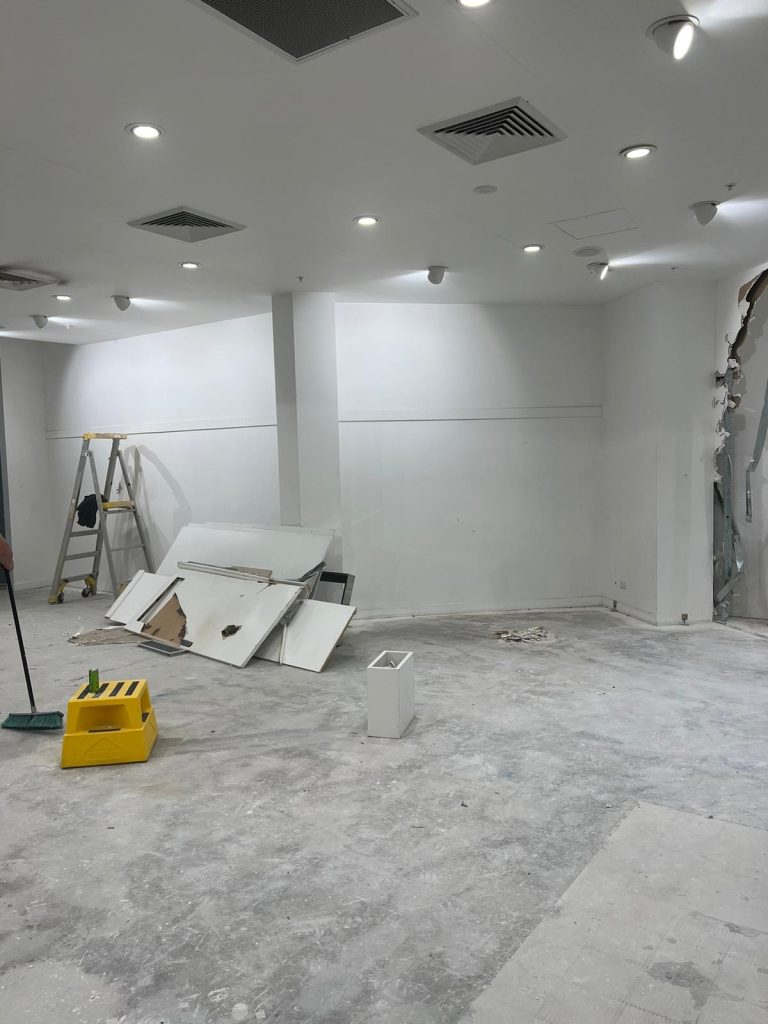
In some projects, insurance debris becomes relevant when damage is linked to an insured event. Materials affected by water, fire, or accidental damage may need to be documented before removal.
Without proper records, tenants may lose the opportunity to claim related costs through insurance. This step is especially important in larger defit and makegood projects involving damaged fitouts.
Insurance considerations are often overlooked until it is too late.
Preparing the Space for Makegood Works
A commercial stripout is rarely the final stage of the project. Once removal is complete, the premises usually move into makegood works.
This may involve repainting walls, repairing ceilings, patching surfaces, and restoring flooring to meet lease obligations. Defit and makegood projects work together to ensure the property is ready for final inspection and future tenants.
The quality of this stage directly affects lease handover approval.
Final Cleaning and Handover Inspection
After all stripout and restoration works are complete, the premises undergo final cleaning and inspection.
Landlords or property managers assess whether the property meets the agreed lease conditions. If issues remain unresolved, additional work may be required before the handover is accepted.
This final stage determines whether the commercial stripout has been successfully completed.
Why Proper Stripout Management Matters
What happens during a commercial stripout affects more than just the physical space. It impacts timelines, lease compliance, costs, and future occupancy.
Professional planning ensures fitout removal, shopfitting dismantling, waste handling, and defit and makegood works happen in the correct sequence. This reduces delays and helps tenants complete lease exit obligations with fewer complications.
FAQs About Commercial Stripouts
What happens during a commercial stripout?
A commercial stripout involves fitout removal, shopfitting dismantling, services disconnection, waste removal, and preparation for makegood works.
Is fitout removal part of defit and makegood?
Yes. Fitout removal is usually one of the first stages of a defit and makegood project.
Can hidden damage increase stripout costs?
Yes. Damage behind walls or ceilings often becomes visible once stripouts begin.
What is insurance debris in commercial projects?
Insurance debris refers to damaged materials that may be covered under an insurance claim if documented correctly before removal.
Do all commercial stripouts require makegood works?
Most commercial leases require some level of restoration after stripouts are completed.