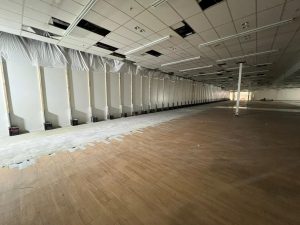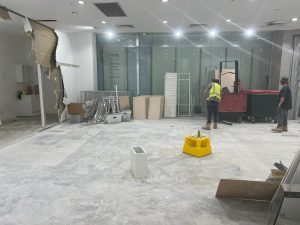
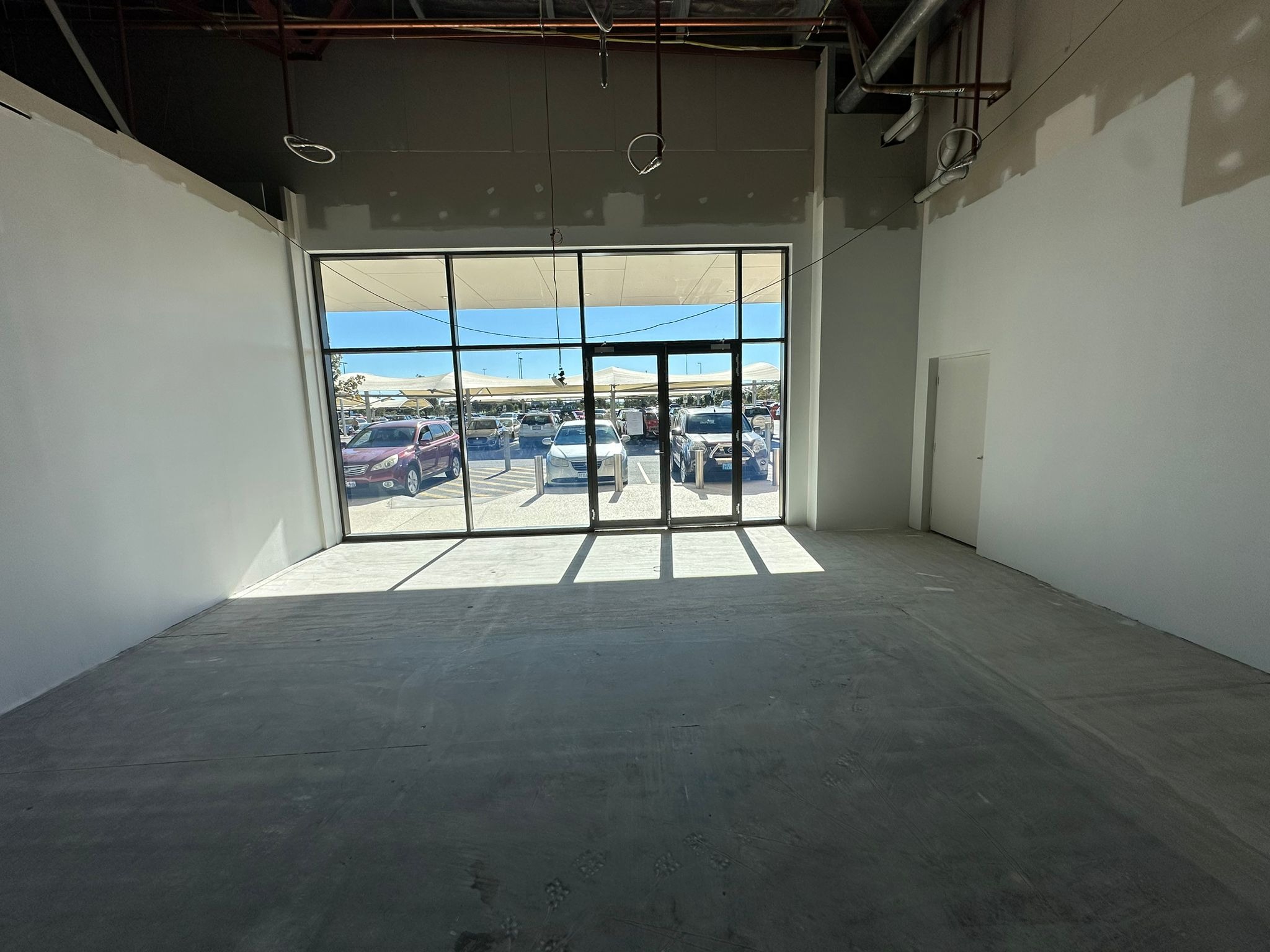
How long fitout removal usually takes depends on several factors, including the size of the tenancy, the complexity of the installation, access requirements, and the condition the property must be returned to.
For commercial tenants, fitout removal is rarely just a matter of taking furniture out and clearing the space. It is often connected to a larger defit and makegood process that includes stripout works, repairs, compliance checks, and final handover preparation.
Understanding the expected timeline helps tenants, landlords, and business owners plan properly and avoid costly delays.
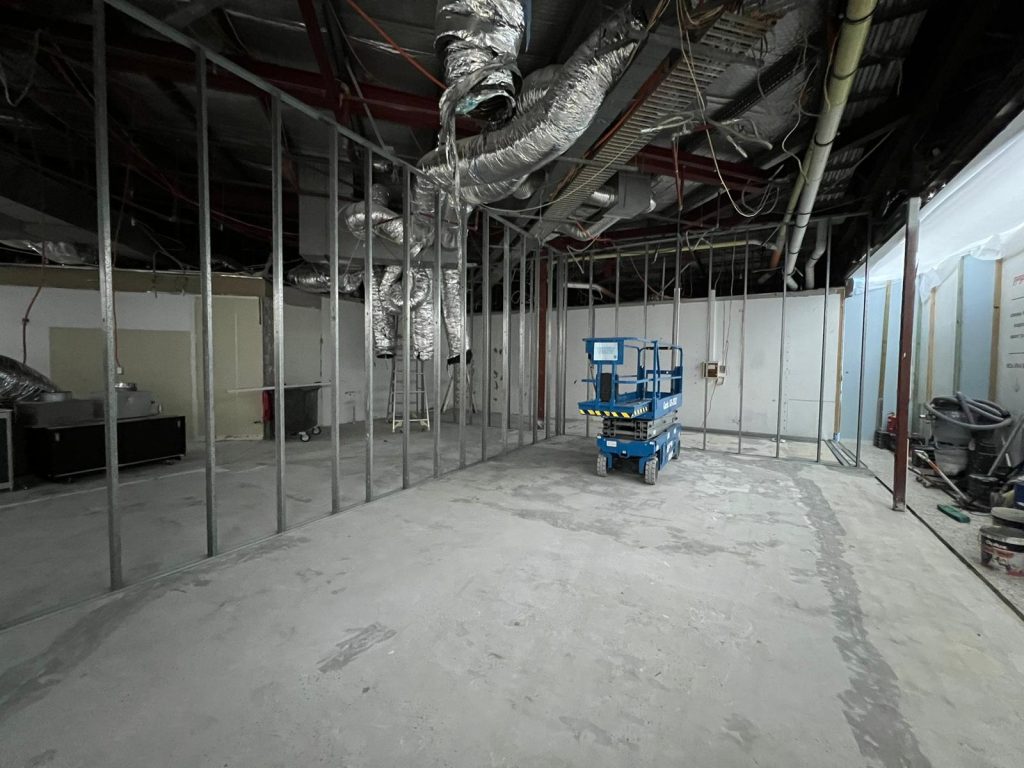
What Is the Average Fitout Removal Timeline?
Most commercial fitout removal projects can take anywhere from a few days to several weeks.
A small office with minimal modifications may only require a short removal period. Larger commercial spaces with extensive shopfitting, multiple rooms, or specialised services can take much longer.
The timeline is usually influenced by the amount of material being removed rather than just the size of the property.
A simple office stripout is very different from a full warehouse defit.
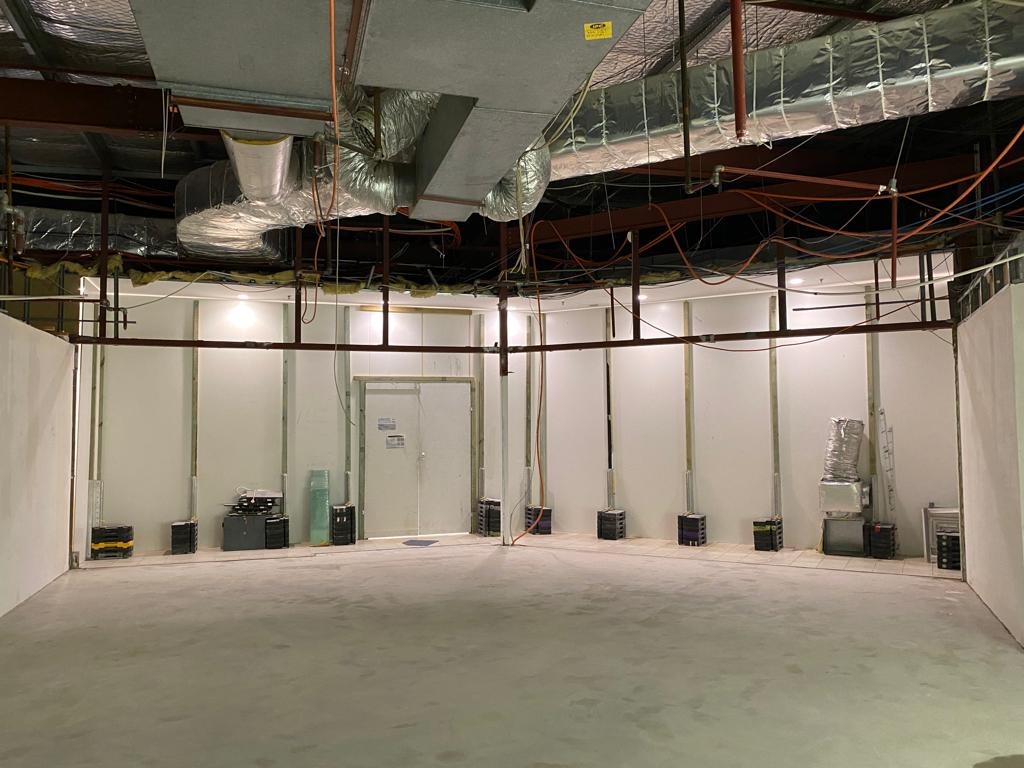
Small Office Fitout Removal Timeline
Small office spaces are generally faster to complete because they often involve fewer permanent installations.
A typical office defit may include removing workstations, partitions, signage, flooring, and data cabling. If the fitout is modular and easy to dismantle, removal may take several days.
However, older offices with built-in structures, complex electrical systems, or customised layouts can extend the timeline.
The condition required for handover also affects how much time is needed after removal.
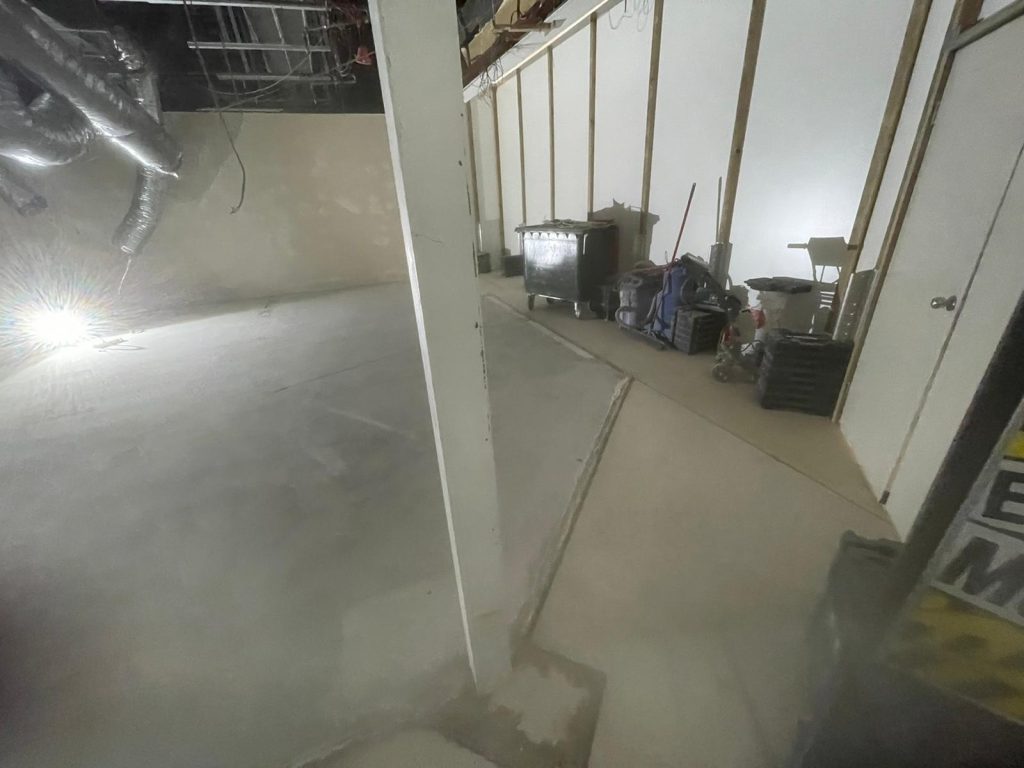
Medium Commercial Fitout Removal Timeline
Medium-sized commercial spaces usually require more planning because they involve multiple areas and services.
These projects may include meeting rooms, kitchens, storage areas, reception counters, and internal walls. Shopfitting elements or custom joinery can also add time.
During this stage, contractors coordinate stripout works, waste removal, and preparation for makegood.
A well-organised project can move quickly, but poor planning can create unnecessary delays.
Large Retail and Shopfitting Removal Timeline
Retail fitouts often take longer because they are designed around customer experience and branding. They commonly include custom counters, display systems, feature walls, lighting, and signage.
A shop defit requires careful removal to avoid damaging the base building. Some installations may be fixed into floors, walls, or ceilings, making removal more labour-intensive.
The more customised the shopfitting, the longer the fitout removal process usually becomes.
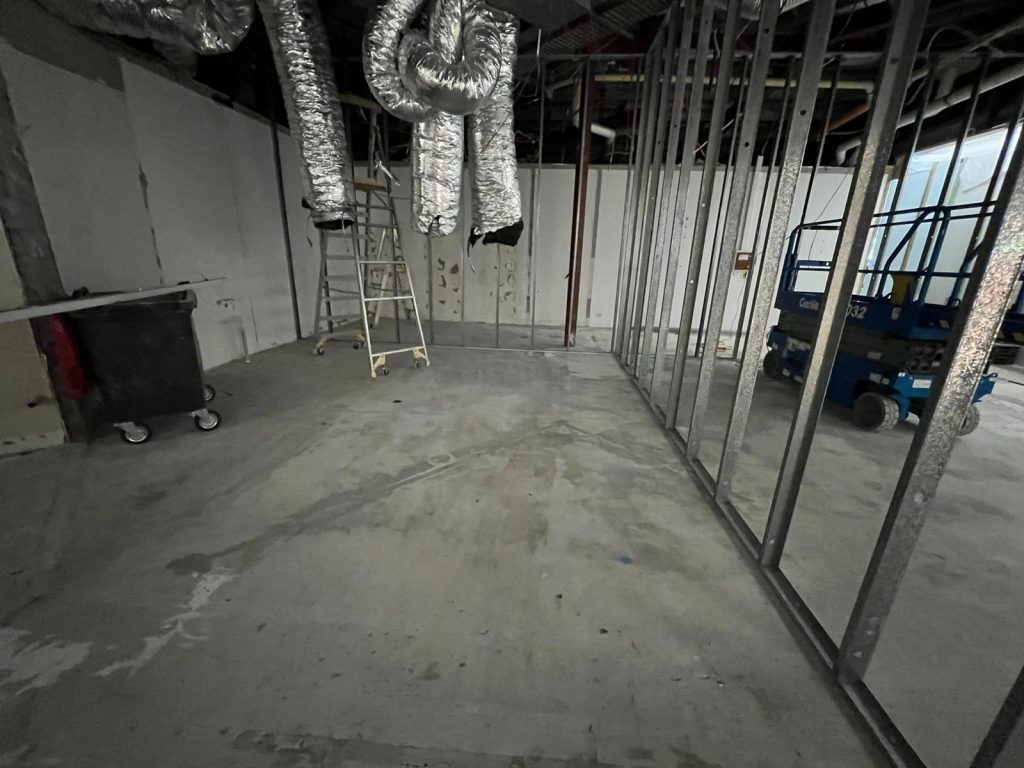
Warehouse Fitout Removal Timeline
Warehouse defit projects follow a different timeline compared to offices and retail spaces.
Industrial spaces may include racking systems, machinery areas, mezzanines, storage structures, specialised lighting, and heavy-duty flooring.
Access is usually better in warehouses, but the materials being removed are often larger and heavier. This can increase labour requirements and disposal time.
A warehouse fitout removal project may require additional equipment and careful scheduling.
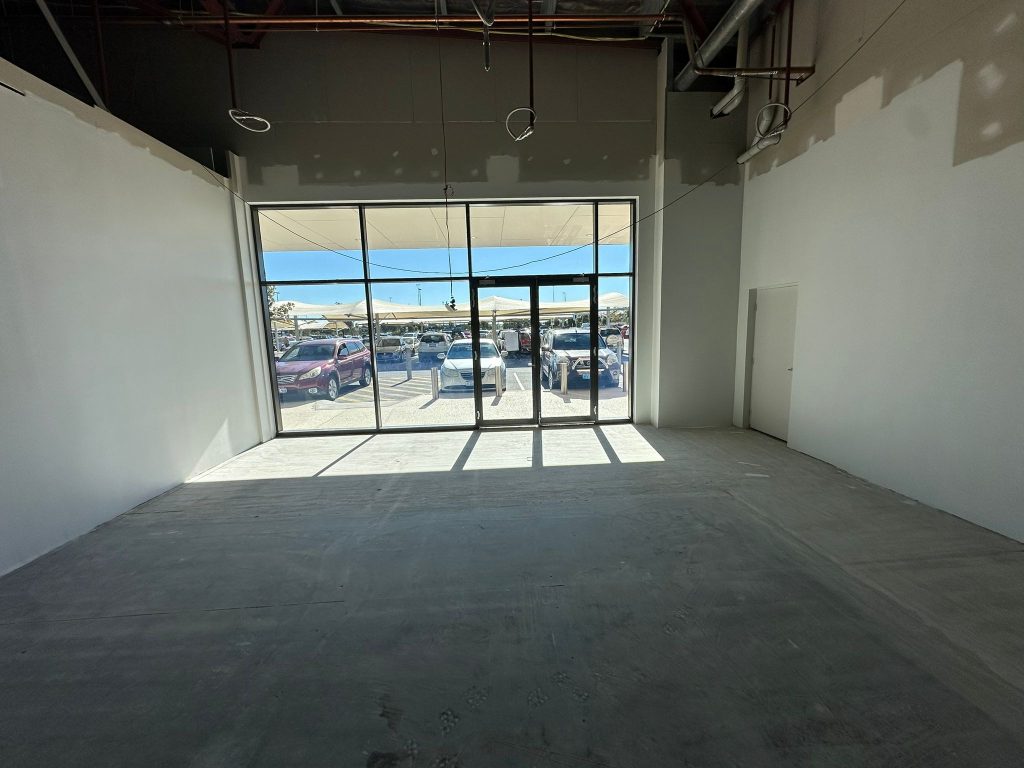
Factors That Affect Fitout Removal Time
Several factors determine how quickly a project can be completed.
The original fitout design is one of the biggest influences. A lightweight modular fitout is much easier to remove than a heavily integrated installation.
Access restrictions also matter. Buildings with limited loading areas, lift restrictions, or strict working hours can slow down progress.
Other factors include:
- the amount of waste generated
- approval requirements from building management
- availability of specialist trades
- electrical and service disconnections
- makegood obligations after removal
These details should be considered before setting a final timeline.
Why Fitout Removal and Makegood Are Connected
Many tenants underestimate the time required after the actual removal work.
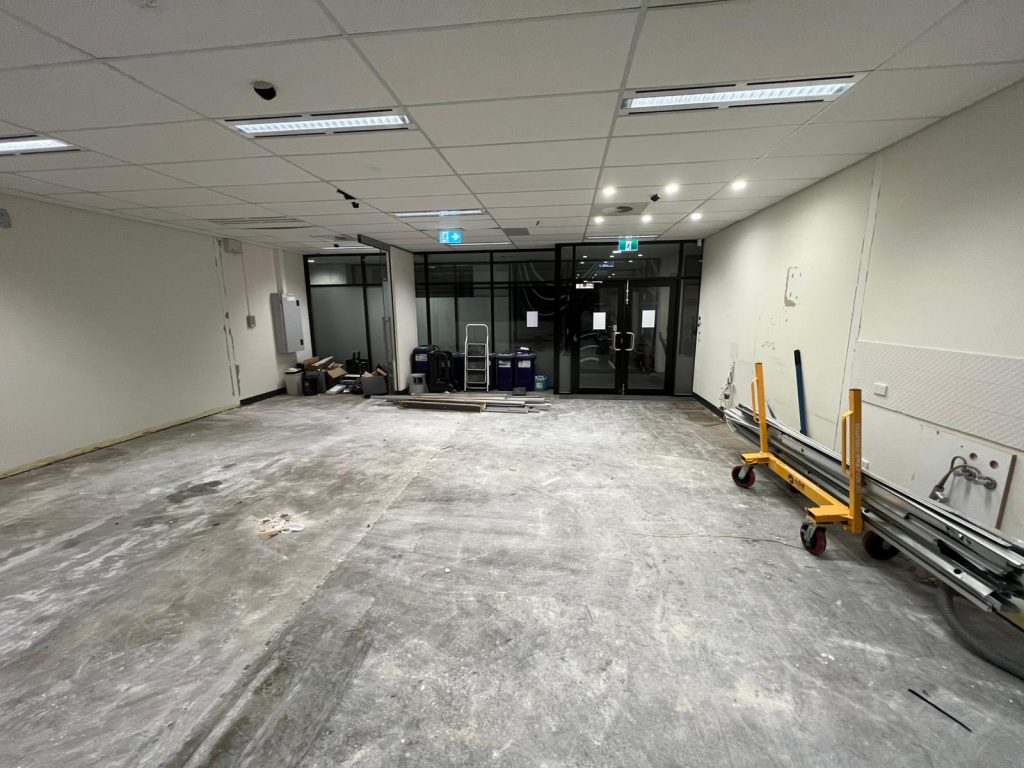
Fitout removal is only one stage of a commercial exit. Once the space is cleared, defit and makegood works often begin.
This may include:
- repairing walls and ceilings
- repainting surfaces
- restoring flooring
- removing remaining fixtures
- completing final cleaning
A project may appear complete after stripout, but the property still needs to meet lease requirements before handover.
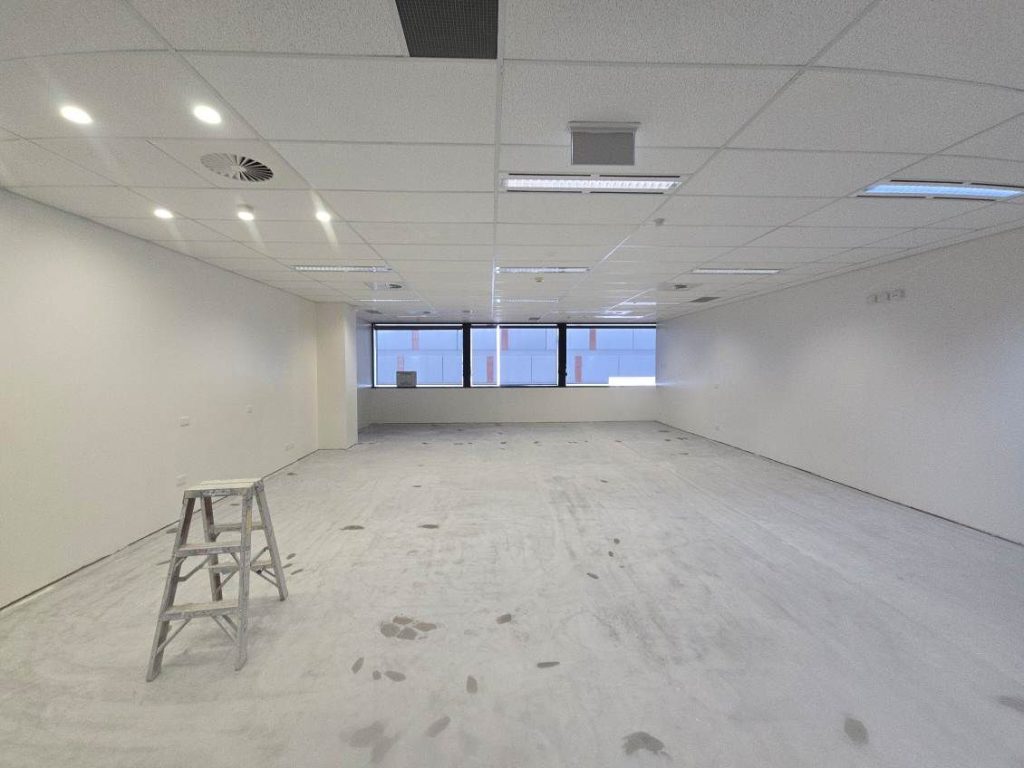
Planning Ahead Prevents Delays
The biggest mistake tenants make is starting too late. Waiting until the final weeks of a lease creates pressure on contractors, approvals, and restoration works.
A better approach is to assess the fitout early, confirm lease obligations, and develop a realistic removal schedule.
Early planning also allows time for unexpected issues, such as hidden damage or undocumented changes.
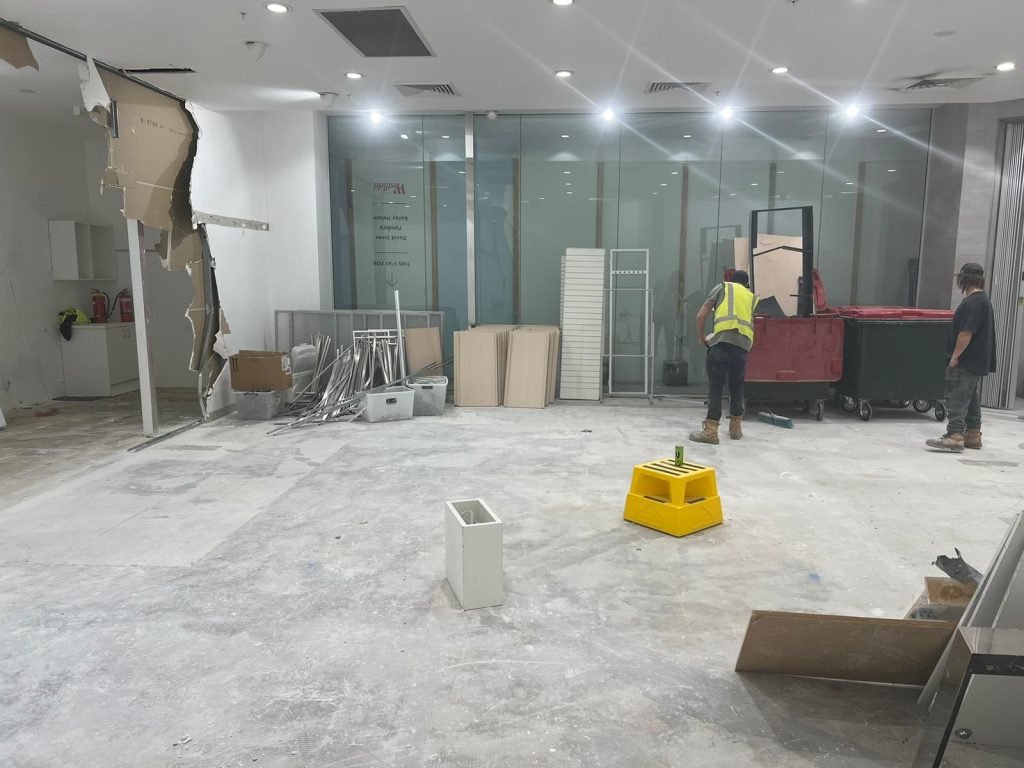
How to Speed Up Fitout Removal
The fastest projects usually have three things in common: clear scope, early coordination, and experienced contractors.
Before work starts, tenants should confirm what needs to be removed, what must stay, and what the landlord expects at handover.
Good preparation reduces downtime and helps prevent costly rework.
FAQs About Fitout Removal Timelines
How long does fitout removal usually take?
It can range from a few days for small spaces to several weeks for larger commercial properties with complex installations.
Does shopfitting increase removal time?
Yes. Custom shopfitting often requires careful dismantling and additional restoration work.
Is fitout removal the same as stripout?
Fitout removal is a major part of stripout, but stripout may also include service disconnections, waste removal, and preparation for makegood.
How early should tenants plan fitout removal?
Planning several months before lease expiry is recommended, especially for larger commercial spaces.
Can defit and makegood take longer than removal?
Yes. Restoration and compliance works can sometimes take as long as the removal phase.