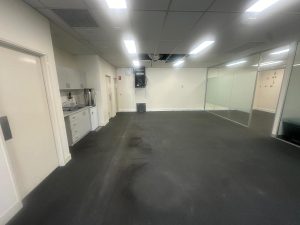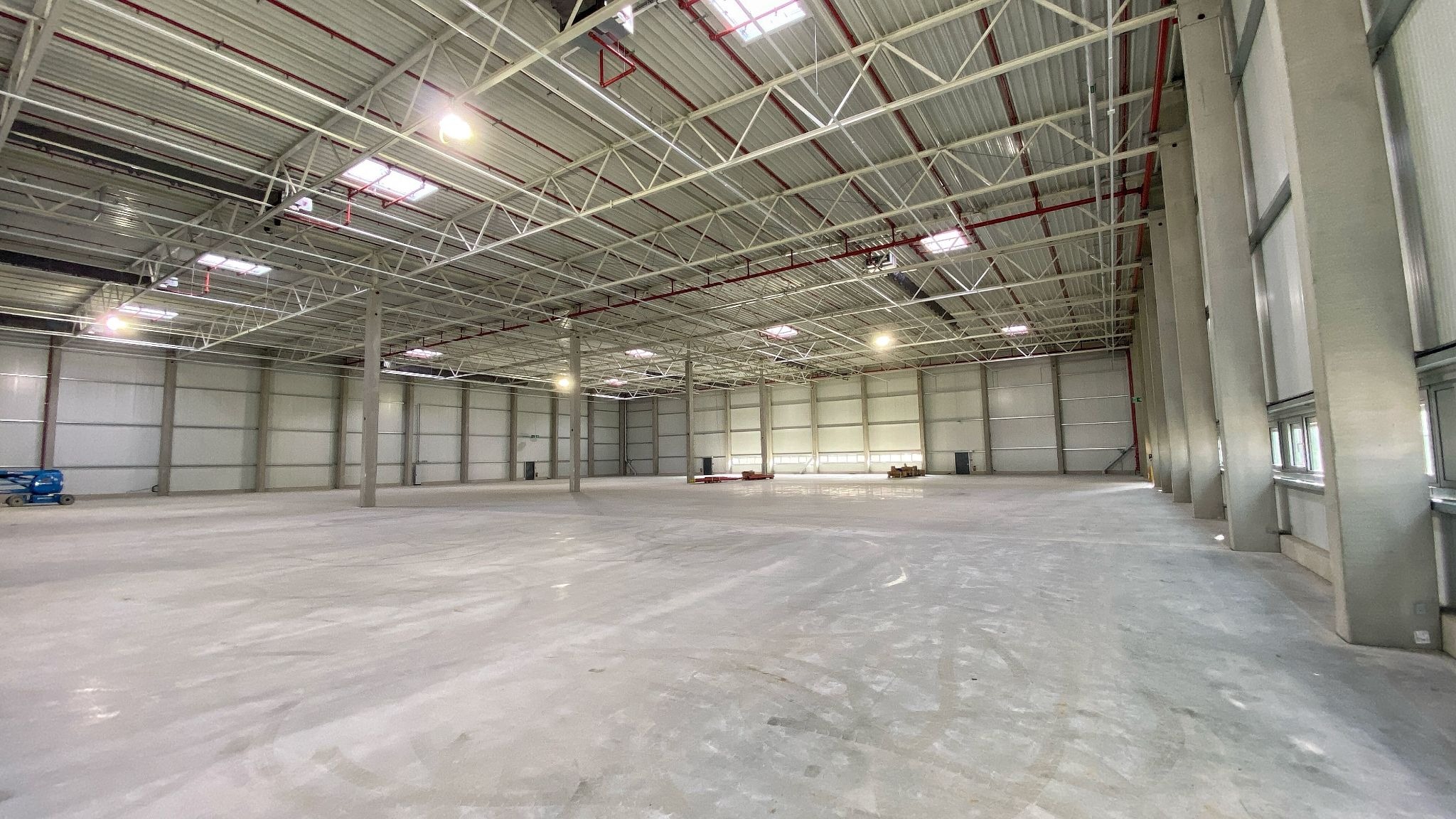
Most tenants walk into a defit thinking they’ve got the budget covered. Then the invoices start stacking up. Not because anyone’s overcharging, but because the real costs were never fully understood in the first place.
Hidden costs in commercial defit projects most tenants miss usually sit outside the obvious scope of fitout removal. They show up in services, compliance, access, and restoration. Miss them early, and your budget gets stretched fast.
Why Defit Costs Are Often Underestimated
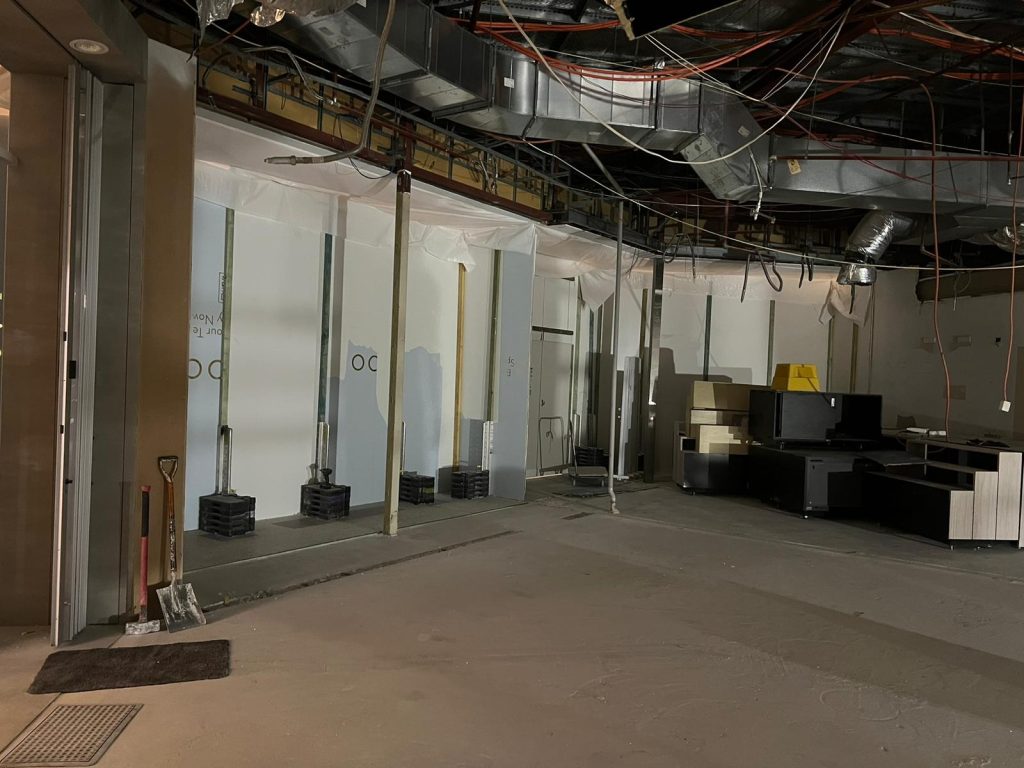
The core issue is visibility. Tenants see partitions, ceilings, and shopfitting. What they don’t see are the systems behind them, the approvals required, and the condition of the base building underneath.
A commercial defit is not just a stripout. It’s a layered process tied to defit and makegood obligations. The hidden costs come from everything that supports that process.
Services Disconnection and Reconfiguration
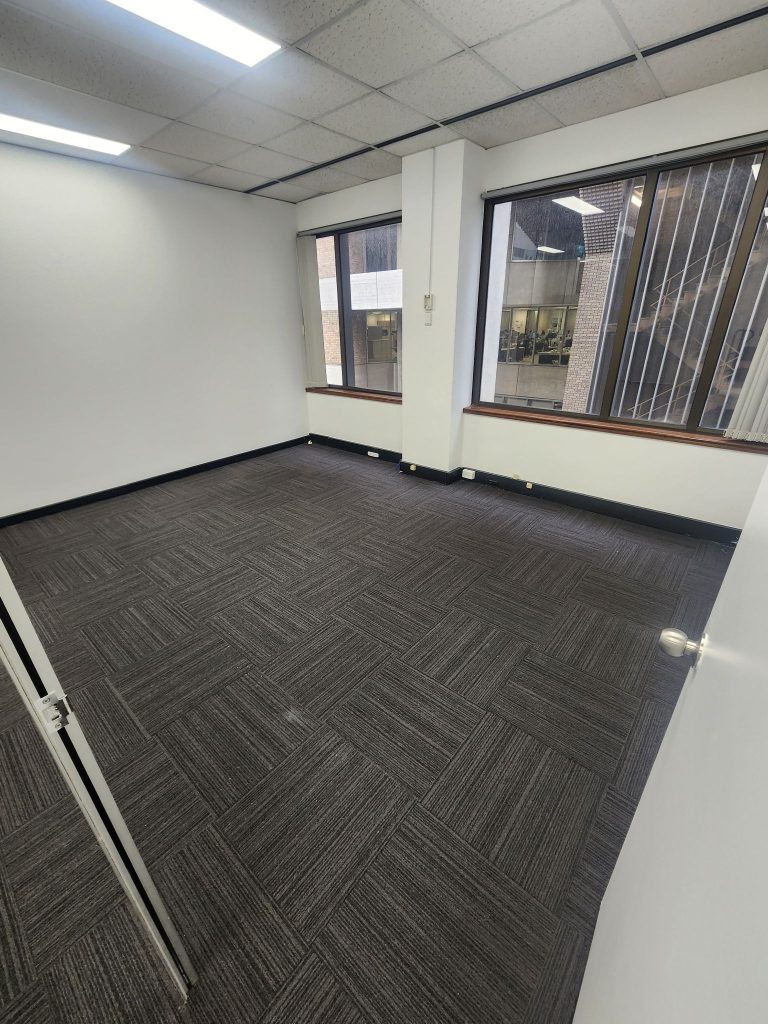
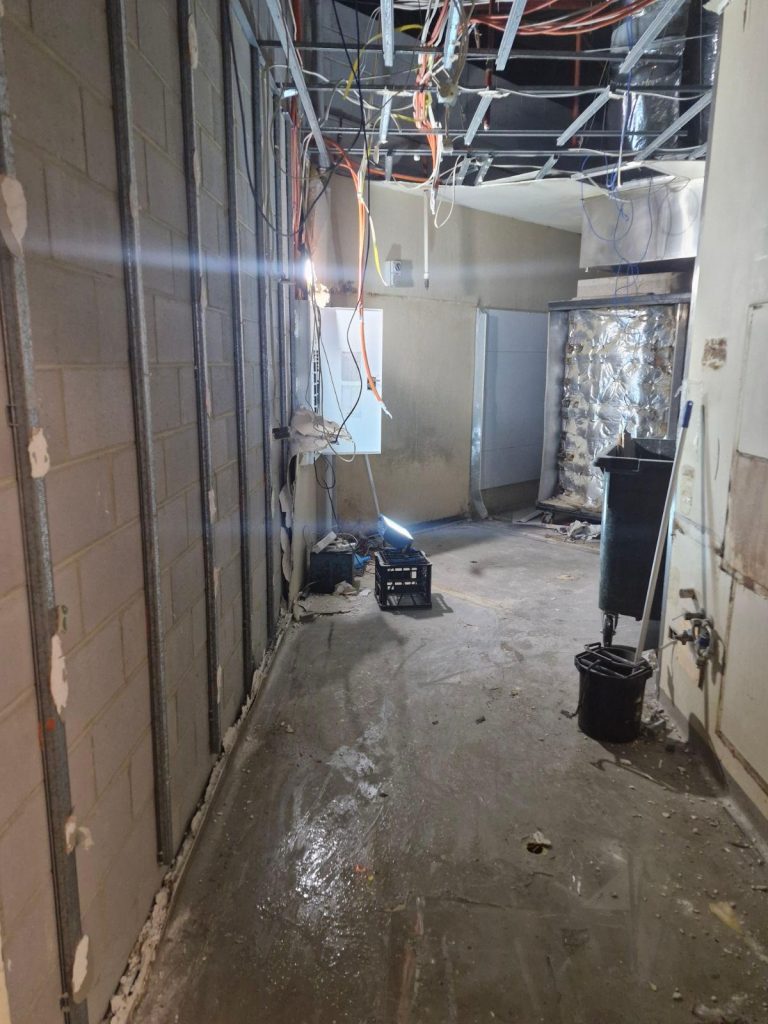
One of the biggest hidden costs is services. Electrical, data, plumbing, fire systems, and HVAC are often modified during a tenancy. Removing shopfitting without addressing these systems properly can halt a project.
Licensed trades are required to isolate and reconfigure services safely. If systems were altered without proper documentation, additional time is needed to trace and correct them.
This is where budgets start to shift.
Makegood Works Beyond Basic Repairs
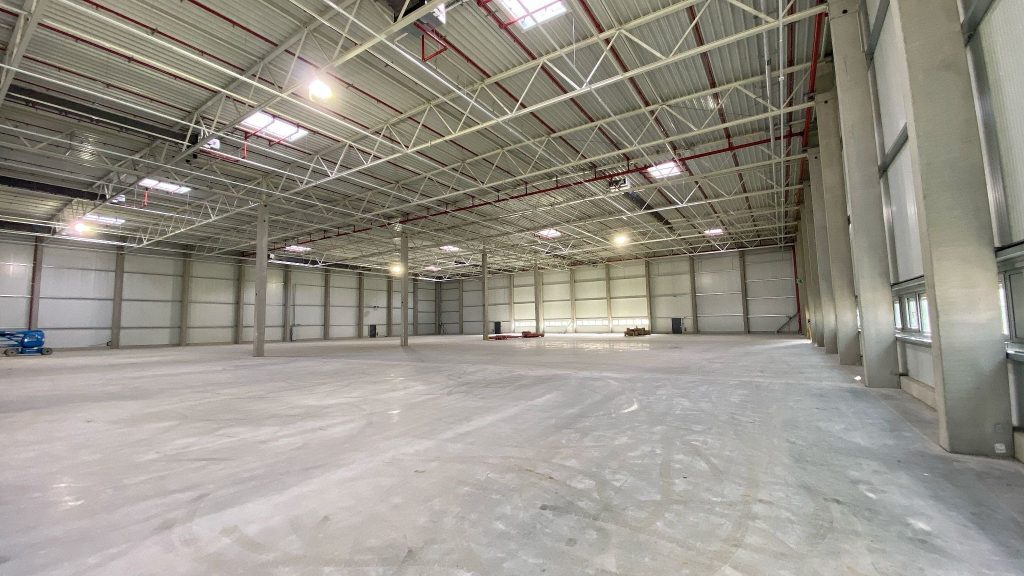
Many tenants assume makegood is just patching walls and repainting. In reality, it can go much further. Ceiling grids may need replacement. Floors may require full reinstatement. Walls might need re-lining instead of simple patching.
Once fitout removal exposes the base structure, the true condition becomes clear. Damage that was hidden during occupancy often needs to be addressed to meet lease requirements.
These are not optional costs. They are part of completing defit and makegood properly.
Shopfitting Removal Complexity
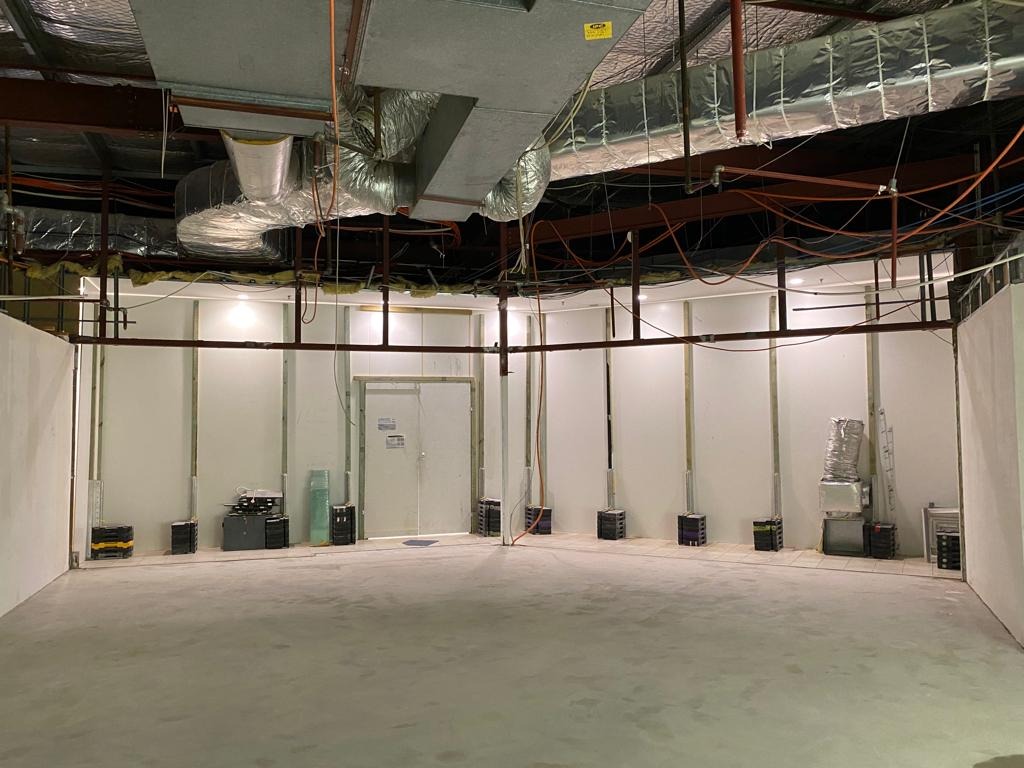
Shopfitting is often designed for impact, not removal. Custom joinery, fixed counters, and integrated displays can be difficult to dismantle without damaging surrounding surfaces.
What looks like a simple shop defit can turn into a detailed stripout requiring careful sequencing and additional labour. In some cases, partial demolition methods are needed to remove heavily fixed elements.
The more complex the shopfitting, the higher the hidden cost.
Waste Removal and Disposal Logistics
Waste is rarely budgeted accurately. Stripout projects generate large volumes of material that must be removed quickly and disposed of properly.
Costs depend on volume, material type, and access. Buildings with strict loading dock rules or limited access hours increase labour time. Recycling requirements can also add handling steps.
Poor waste planning slows the project and increases costs at the same time.
Access Restrictions and Building Rules
Commercial buildings often have strict rules around working hours, lift usage, and noise. These restrictions can extend timelines and increase labour costs.
For example, after-hours work or weekend access may be required for office defit projects. Limited lift access can slow down material removal.
These factors are rarely included in initial estimates but can significantly impact the final cost.
Compliance and Certification Costs
Defit projects must meet safety and compliance standards. This includes proper handling of services, safe work practices, and documentation.
Certificates for electrical disconnection, fire system adjustments, and other works may be required before handover. If compliance is not handled correctly the first time, rework may be needed.
These costs are often overlooked but are essential for completing the project.
Insurance Debris and Damage Scenarios
If the defit is linked to damage, insurance debris may come into play. This can either reduce or increase costs depending on how it is handled.
Materials must be documented before removal for insurance claims to apply. If this step is missed, tenants may absorb costs that could have been covered.
On the other hand, damaged areas can require additional work beyond standard stripout, adding to the total cost.
Hidden Damage Behind Fitouts
Once stripouts begin, hidden issues often appear. Water damage, structural wear, or outdated wiring can be uncovered.
These problems were not visible during budgeting but must be addressed to meet lease obligations. Ignoring them is not an option if you want to pass final inspection.
This is why contingency is critical in any commercial defit budget.
Timeline Pressure and Rush Costs
Leaving defit and makegood too late creates urgency. Contractors may need to work faster, extend hours, or rearrange schedules.
This often leads to higher labour costs and reduced flexibility. If delays push beyond lease expiry, tenants may face additional rent or penalties.
Time pressure turns manageable costs into expensive ones.
How to Avoid These Hidden Costs
The best way to avoid hidden costs is to plan early and look beyond the obvious. Review lease obligations in detail. Assess the full scope of fitout removal and restoration. Factor in services, waste, access, and compliance from the start.
Engaging experienced contractors helps identify risks before they become real costs. They understand where hidden issues usually sit and how to manage them.
A realistic approach to commercial defit protects both budget and timeline.

FAQs About Hidden Defit Costs
What is the most overlooked cost in defit projects?
Services disconnection and compliance work are often underestimated.
Does shopfitting increase hidden costs?
Yes. Complex shopfitting can require more labour and careful removal.
Can waste removal affect the budget?
Yes. Disposal logistics and access restrictions can increase costs.
What role does insurance debris play?
It can reduce costs if handled correctly, but poor documentation can lead to missed claims.
Why is contingency important?
Because hidden damage and unexpected issues are common during stripout works.