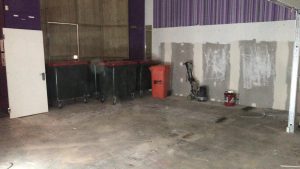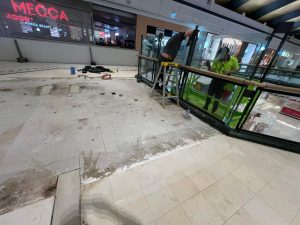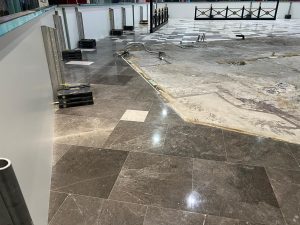
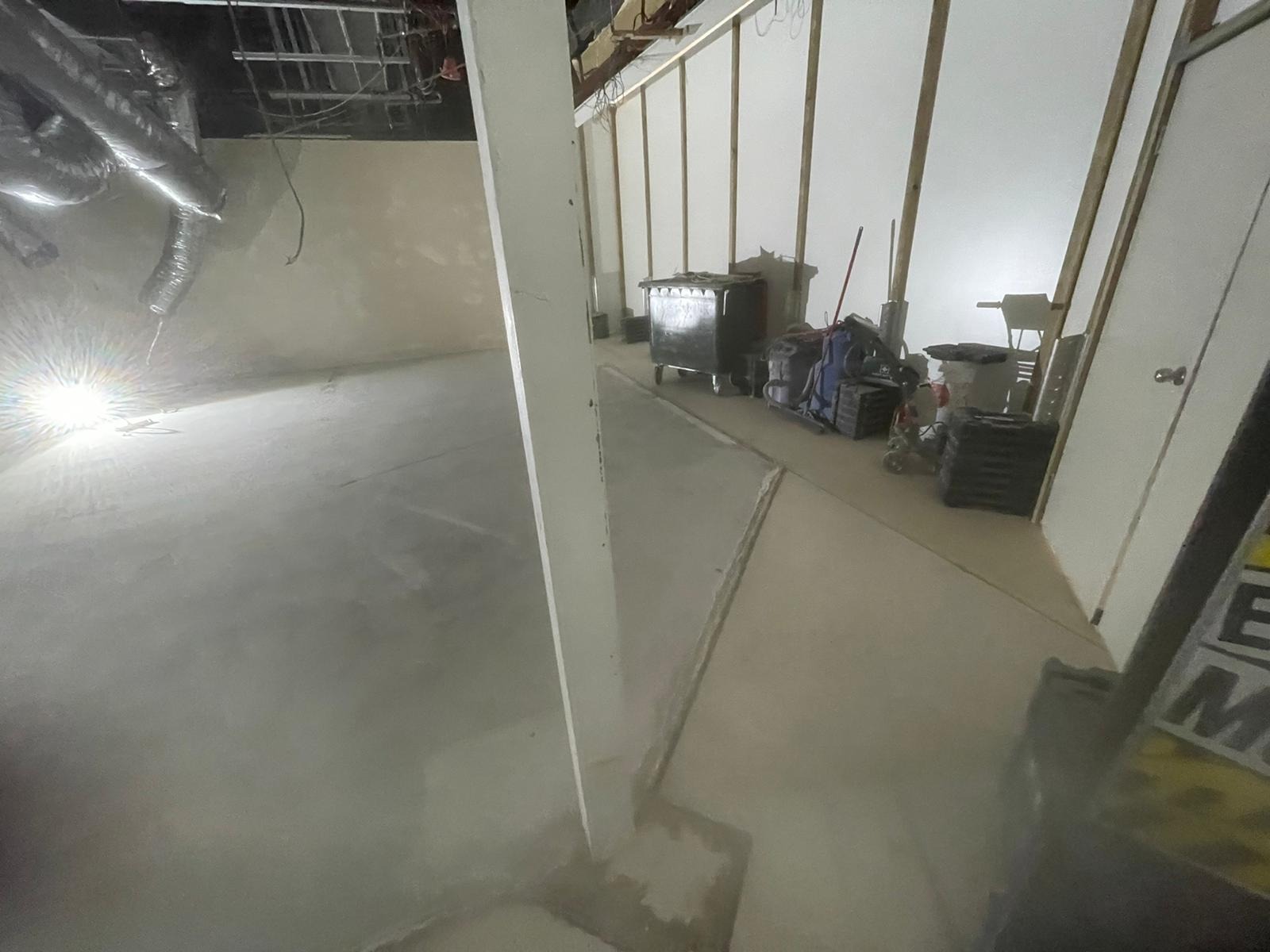
Delays in commercial stripouts rarely come from the physical work itself. They come from poor planning, unclear scope, and missed coordination between stakeholders. If you want to understand how to avoid delays in defit and makegood projects, you need to look at what happens before the first wall is touched.
For landlords, tenants, and business owners in Perth, defit and makegood is not just about fitout removal. It is a coordinated process involving approvals, shopfitting removal, services disconnection, and final reinstatement. When one piece slips, the entire timeline shifts.
Why Defit and Makegood Projects Get Delayed
Most delays are predictable. They happen when assumptions replace planning. Tenants assume stripouts are simple. Landlords assume expectations are clear. Contractors are brought in too late.
Understanding how to avoid delays in defit and makegood projects starts with recognising that timing, not complexity, is the main risk factor.

Start Planning Earlier Than You Think
The easiest way to avoid delays is to start early. Many projects begin planning only weeks before lease expiry, which creates pressure across every stage.
Office defit, shop defit, and warehouse defit projects all require time for inspection, approvals, and scheduling. Starting months earlier allows you to identify risks tied to shopfitting, access restrictions, and service layouts before they become problems.
Early planning gives you options. Late planning limits them.
Define the Scope Clearly From Day One
Unclear scope is one of the biggest causes of delay. If you do not know exactly what needs to be removed and restored, the project will slow down mid-way.
A proper scope should include all fitout removal items, from partitions and ceilings to flooring and shopfitting elements. It should also define what falls under defit and makegood versus what remains in place.
When everyone agrees on scope early, work flows without interruption.
Align With Landlords and Building Managers Early
Many delays happen because approvals are not secured in time. Commercial buildings in Perth often require documentation before any stripouts begin.
This includes work schedules, contractor details, and safety procedures. Without approval, work cannot start.
If you want to avoid delays in defit and makegood projects, align with landlords and property managers early. This ensures expectations are clear and approvals are processed before deadlines approach.
Don’t Underestimate Services Disconnection
Electrical, data, fire, and HVAC systems are often the hidden cause of delays. Removing shopfitting or partitions without properly managing services can stop a project completely.
Qualified trades are required to isolate and reconfigure these systems safely. If this step is not planned properly, work may pause while waiting for specialists.
Factoring services into your timeline keeps the project moving.
Choose the Right Contractor From the Start
Not all contractors understand commercial defit and makegood requirements. Engaging the wrong team can lead to slow progress, compliance issues, and rework.
Experienced contractors know how to handle stripouts, manage fitout removal efficiently, and coordinate trades. They also understand how shop defit and office defit projects differ from warehouse defit environments.
The right contractor keeps the timeline tight and predictable.
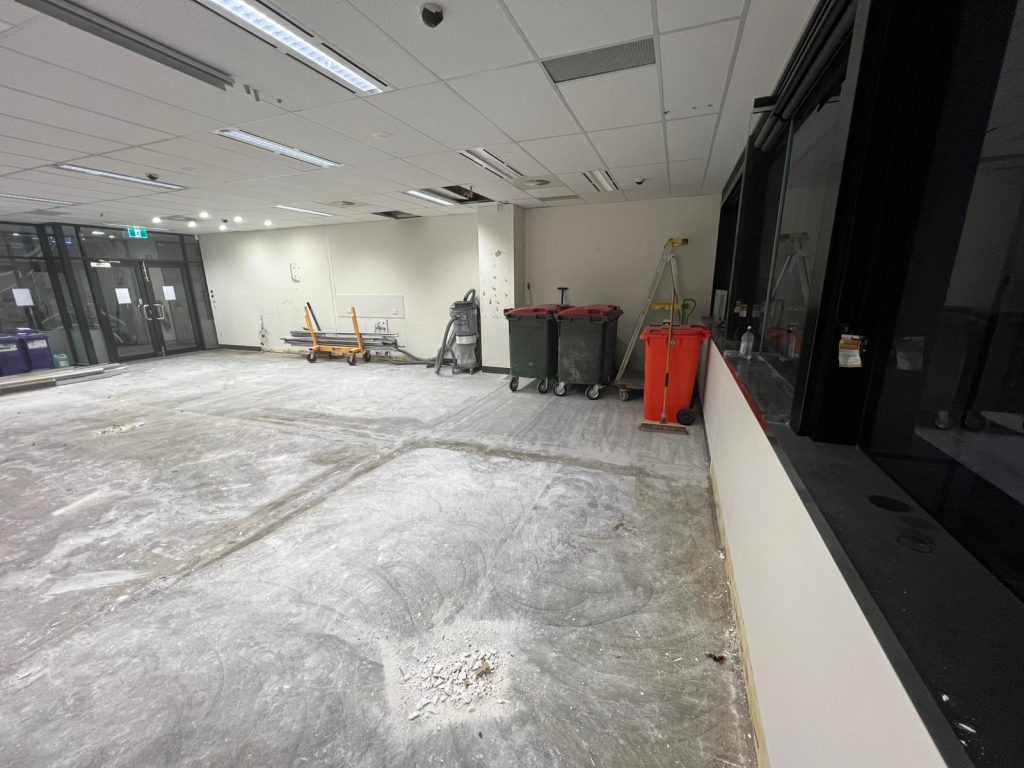
Plan for Waste Removal and Site Logistics
Waste management is often treated as an afterthought, but it plays a major role in project speed. Stripouts generate large volumes of material that must be removed quickly to keep the site clear.
Access restrictions, shared loading zones, and disposal requirements can slow things down if not planned in advance.
Efficient waste handling keeps the workflow uninterrupted, especially in busy commercial buildings.
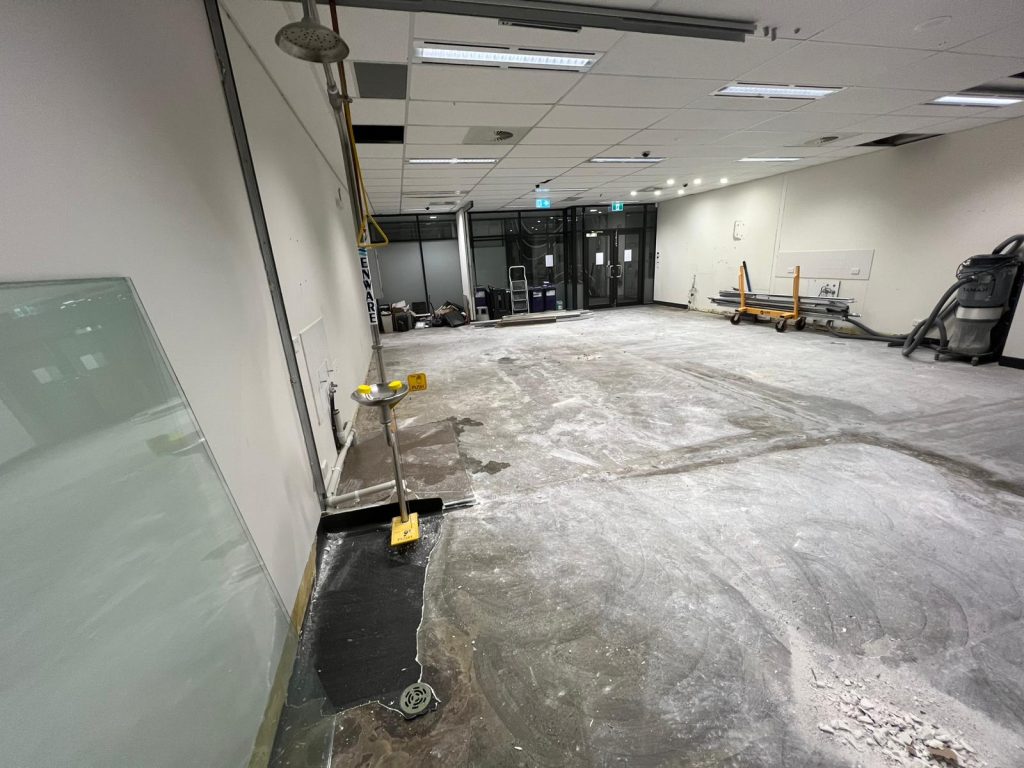
Expect the Unexpected and Build Flexibility
Even well-planned projects can uncover hidden issues. Old wiring, undocumented modifications, or damage behind walls can appear during fitout removal.
Instead of reacting to these problems under pressure, build contingency into your schedule. A small buffer in time can prevent major delays later.
Flexibility is part of understanding how to avoid delays in defit and makegood projects.
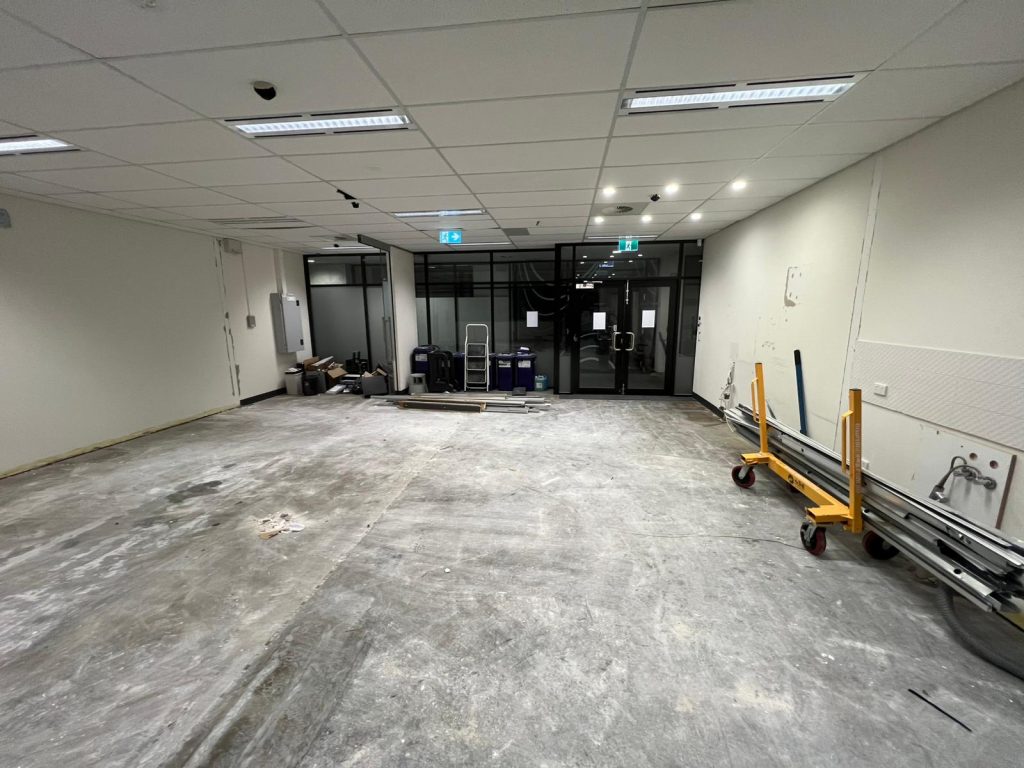
Sequence the Work Properly
The order of work matters. Services should be handled before major stripouts. Stripouts should be completed before makegood works begin.
If tasks overlap incorrectly, rework becomes inevitable. For example, repainting before all shopfitting is removed often leads to duplicated work.
A clear sequence keeps the project efficient from start to finish.
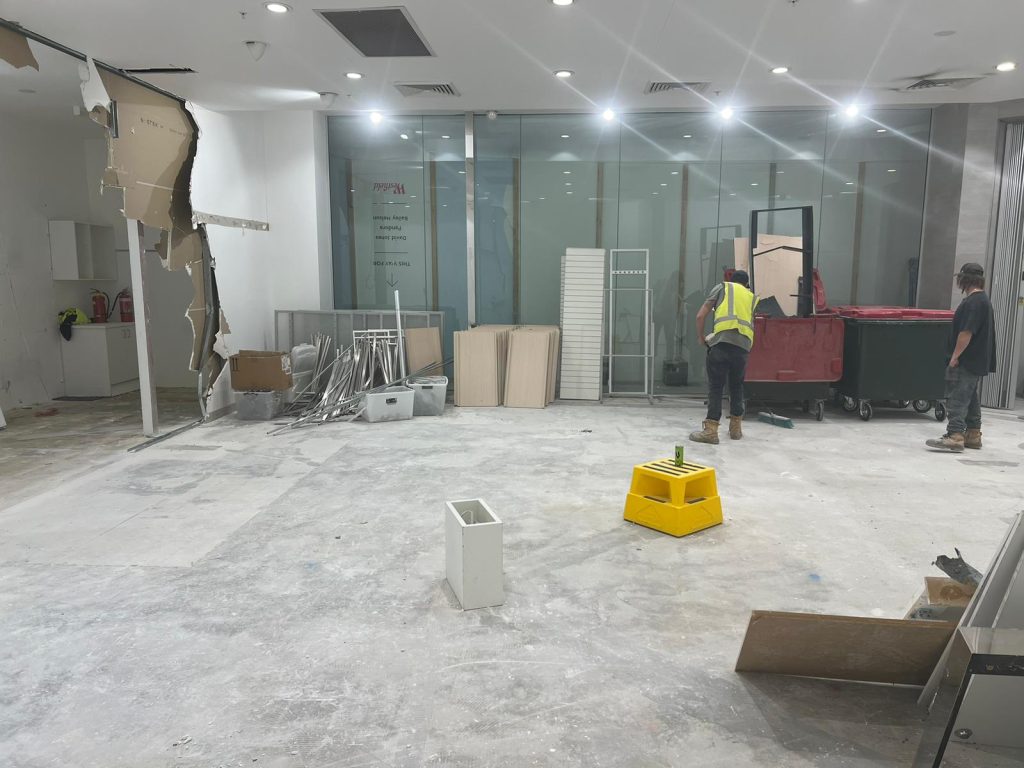
Final Inspection Starts Before the Work Ends
One of the most overlooked strategies is preparing for inspection early. Waiting until the end to check compliance often leads to last-minute fixes.
Instead, review progress throughout the project. This ensures that defit and makegood requirements are being met as work progresses, not after everything is finished.
Early alignment reduces the risk of failed inspections and delayed handover.
FAQs About Avoiding Delays in Defit and Makegood Projects
What is the main cause of delays in defit projects?
Poor planning and unclear scope are the most common causes.
How early should planning begin?
Ideally several months before lease expiry to allow time for approvals and scheduling.
Do different spaces affect timelines?
Yes. Office defit, shop defit, and warehouse defit projects all have different requirements and challenges.
Can shopfitting increase delays?
Yes. Complex shopfitting installations often take longer to remove and may involve additional steps.
Is fitout removal the longest part of the project?
Not always. Approvals, services handling, and makegood works can take just as long if not planned properly.