
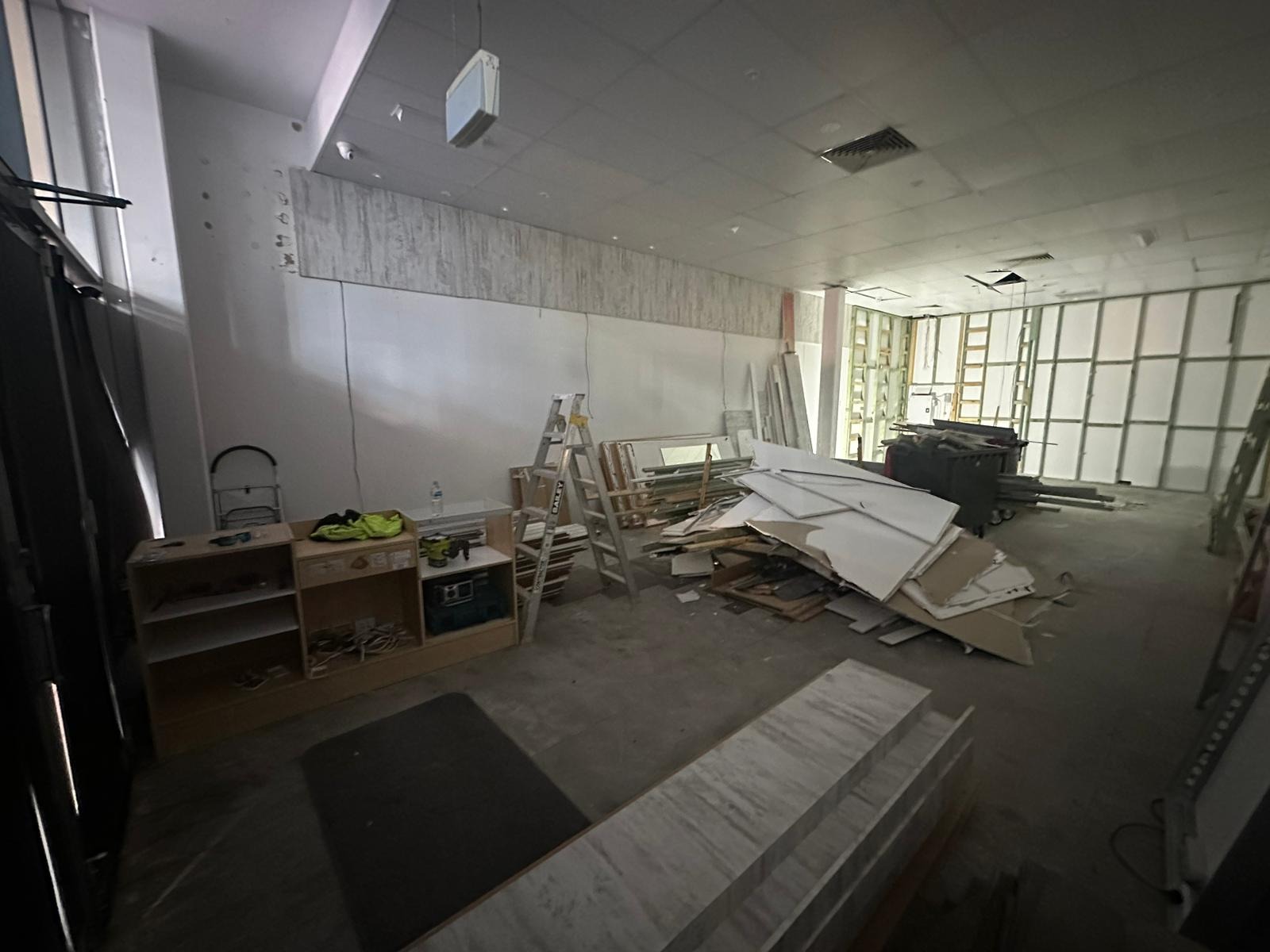
The Defit and Makegood Timeline for Commercial Tenants is where most lease exits either run smoothly or fall apart. Many tenants leave planning too late, thinking stripouts and fitout removal can be handled in a few weeks. That assumption usually leads to rushed work, higher costs, and disputes during handover.
For landlords, tenants, and business owners in Perth, understanding the Defit and Makegood Timeline for Commercial Tenants early creates control. It allows proper coordination of shopfitting removal, approvals, and restoration works without pressure.
Why the Timeline Matters More Than the Work Itself
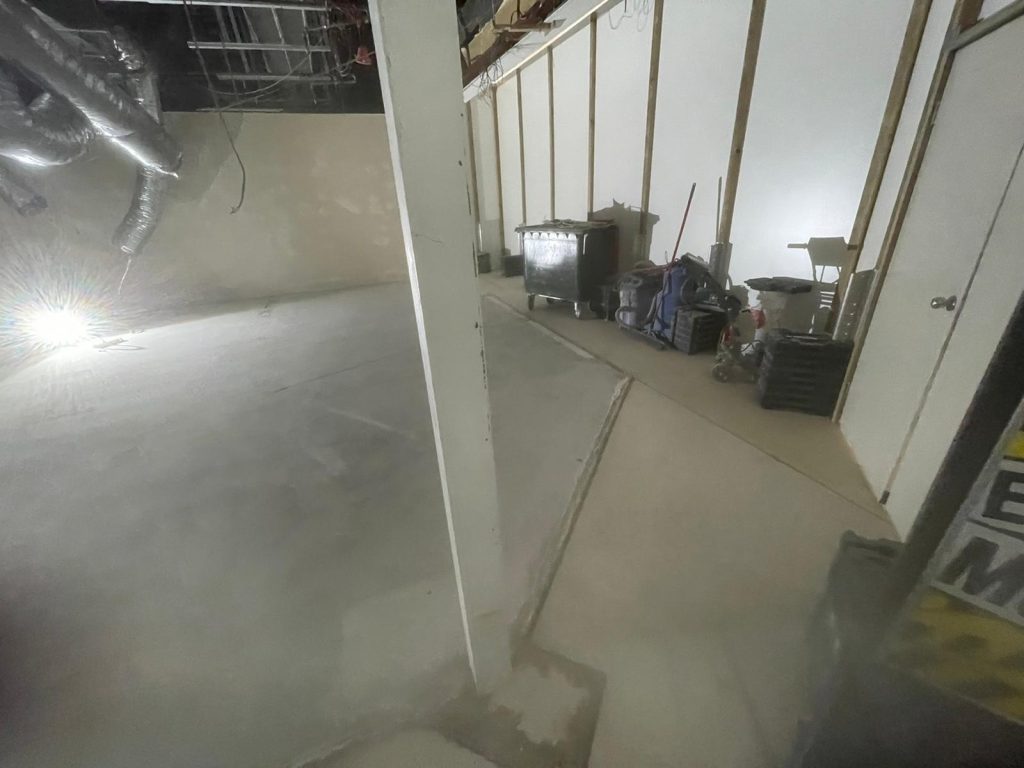
The biggest risk is not the complexity of the job. It is poor timing. Even straightforward office or shop defit projects become complicated when approvals, contractor availability, and service disconnections are left too late.
The Defit and Makegood Timeline for Commercial Tenants is designed to sequence each stage properly, so nothing overlaps or causes delays.
6 Months Before Lease Expiry: Start the Timeline Properly
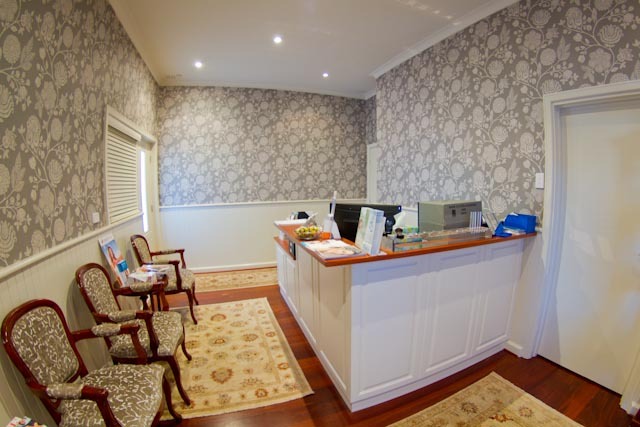
The Defit and Makegood Timeline for Commercial Tenants should begin at least six months before lease expiry. This is when tenants review lease clauses and confirm what makegood actually requires.
At this stage, it is smart to engage a contractor to assess the site. Fitout removal complexity, existing shopfitting, and any risks linked to stripouts can be identified early. This prevents surprises later in the process.
3 to 4 Months Before: Lock in Scope and Expectations
This phase is where the Defit and Makegood Timeline for Commercial Tenants becomes more detailed. A full inspection confirms what needs to be removed and what must be restored.
Shop defit requirements, flooring removal, ceiling works, and service adjustments should all be documented. If there is damage, debris insurance considerations should also be reviewed before any materials are touched.
Alignment with the landlord at this stage avoids scope disputes during final handover.
2 Months Before: Approvals and Contractor Booking
Approvals are often underestimated. Most commercial buildings in Perth require formal submissions before any stripouts begin.
The Defit and Makegood Timeline for Commercial Tenants depends heavily on getting these approvals done early. This includes scope of work, access schedules, and contractor documentation.
At the same time, contractors should be locked in. Delays here can push the entire timeline back, especially during busy leasing periods.
4 to 6 Weeks Before: Prepare Services and Site Conditions
Before physical work starts, services must be handled correctly. Electrical systems, data lines, fire services, and HVAC setups need to be isolated or adjusted.
This stage is critical within the Defit and Makegood Timeline for Commercial Tenants. Poor handling of services can lead to compliance issues or failed inspections later.
Preparation also includes planning access, waste removal logistics, and safety controls.

2 to 3 Weeks Before: Execute Stripouts and Fitout Removal
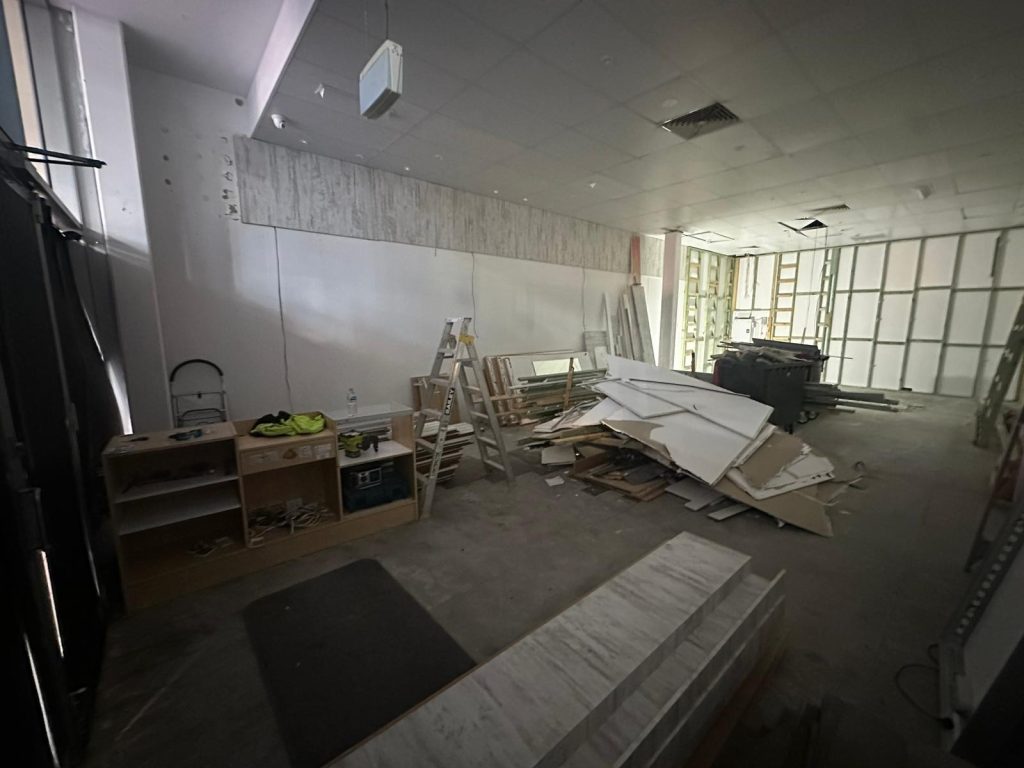
This is the main execution phase. Stripouts begin, removing partitions, shopfitting, flooring, and all non-structural elements.
The Defit and Makegood Timeline for Commercial Tenants relies on efficient coordination here. Waste must be cleared quickly, and fitout removal should follow a structured sequence to avoid rework.
Unexpected issues such as hidden damage or complex installations can appear during this phase, so flexibility is important.
Final 1 to 2 Weeks: Complete Makegood Works
Once stripouts are complete, restoration begins. This includes patching, repainting, ceiling repairs, and floor reinstatement.
The final stage of the Defit and Makegood Timeline for Commercial Tenants focuses on meeting lease requirements exactly. This is where attention to detail matters most, especially in high-visibility areas.
Rushed makegood work is one of the main reasons inspections fail.

Final Days: Inspection and Lease Handover
The last step in the Defit and Makegood Timeline for Commercial Tenants is inspection and handover. The space must be clean, compliant, and aligned with lease conditions.
Landlords or property managers will review the completed works. If everything is in order, the handover is approved and the bond process moves forward.
If not, additional work may be required under tight time constraints.
Common Timeline Mistakes Tenants Make
The most common issue is starting too late. Many tenants underestimate how long shop defit, approvals, and restoration actually take.
Another mistake is assuming all fitout removal is simple. Complex shopfitting and integrated services can extend timelines significantly.
Lack of documentation is another problem. Without clear records, disputes over damage and scope become harder to resolve.
How to Stay in Control of the Timeline
The Defit and Makegood Timeline for Commercial Tenants works best when treated like a structured project, not a last-minute task.
Early planning, clear scope definition, and experienced contractors make a significant difference. Tenants who plan ahead avoid delays, reduce costs, and complete handover without friction.
Even better, designing shopfitting and fitouts with future removal in mind can shorten this timeline dramatically.

FAQs About Defit and Makegood Timelines
When should the defit process start?
The Defit and Makegood Timeline for Commercial Tenants should begin at least six months before lease expiry.
How long do stripouts usually take?
Most stripouts and fitout removal projects take a few weeks, depending on size and complexity.
Do approvals affect the timeline?
Yes. Delays in approvals are one of the biggest risks in the entire process.
What happens if the timeline is missed?]
Tenants may face penalty rent, delayed handover, or additional costs.
Can shopfitting design impact the timeline?
Yes. Fitouts designed without removal in mind often extend the Defit and Makegood Timeline for Commercial Tenants.