Defit costs catch people off guard. Not because they’re hidden, but because they’re misunderstood. A proper Defit and Makegood Cost Breakdown shows where the money actually goes and why two similar spaces can end up with completely different price tags.
For tenants, landlords, and business owners in Perth, the goal is not just to estimate cost. It’s to understand what drives it. Once you see that clearly, you can control it.
What a Defit and Makegood Cost Breakdown Really Includes
A Defit and Makegood Cost Breakdown is not a single line item. It’s a combination of removal, reinstatement, compliance, and coordination.
Most commercial defit projects include fitout removal, disposal of materials, surface restoration, services disconnection, and final cleaning. If shopfitting is involved, costs usually increase due to complexity and labour.
The mistake most people make is focusing only on removal. The real cost sits in what happens after.
Fitout Removal: Where Costs Begin
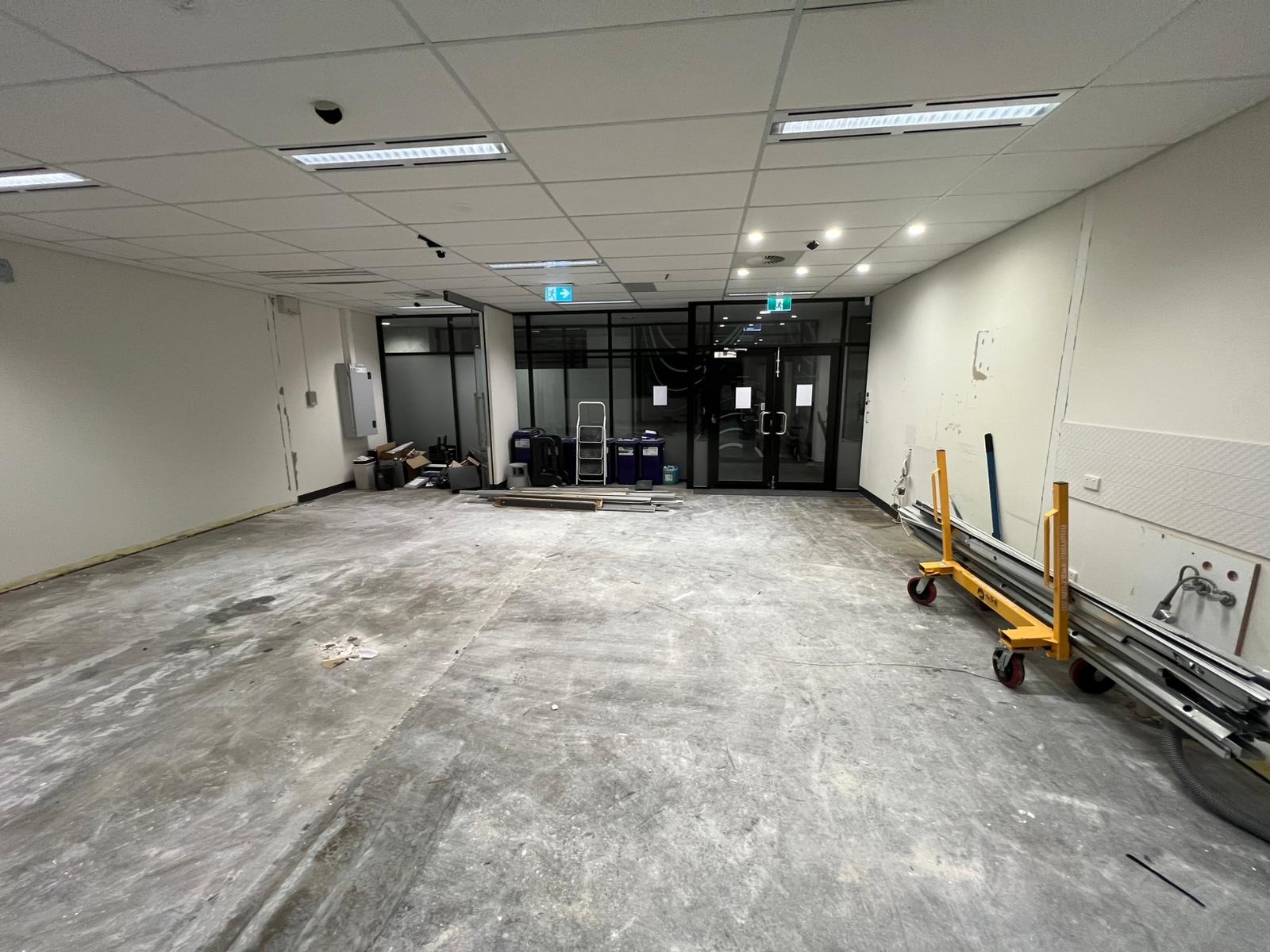
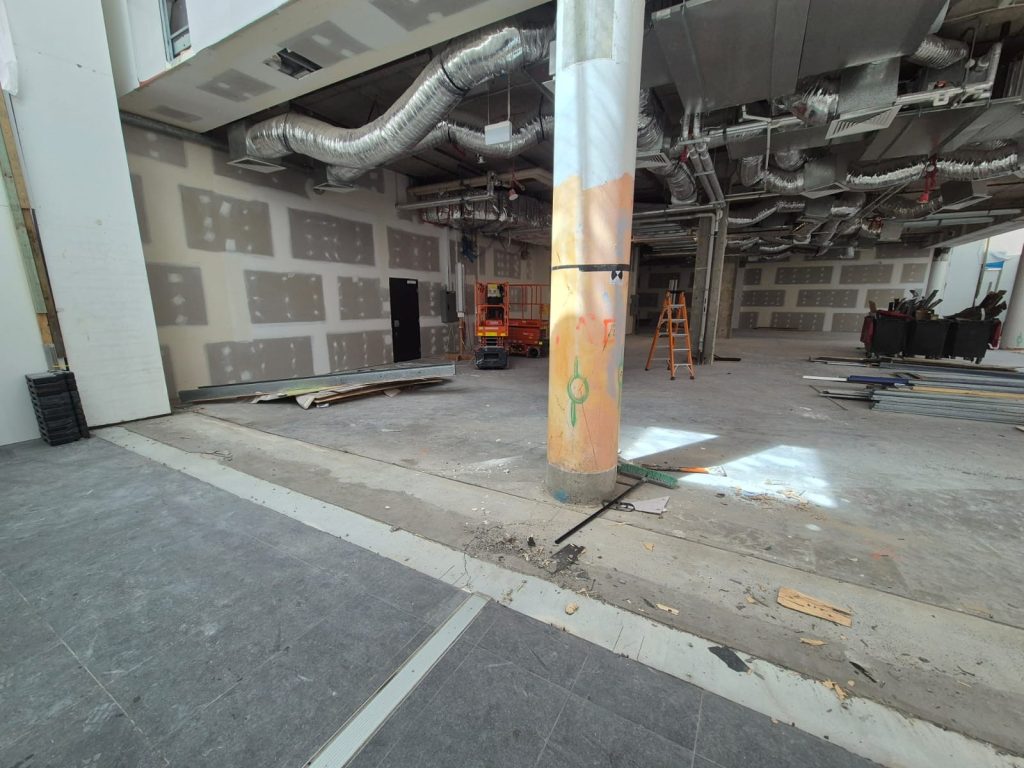
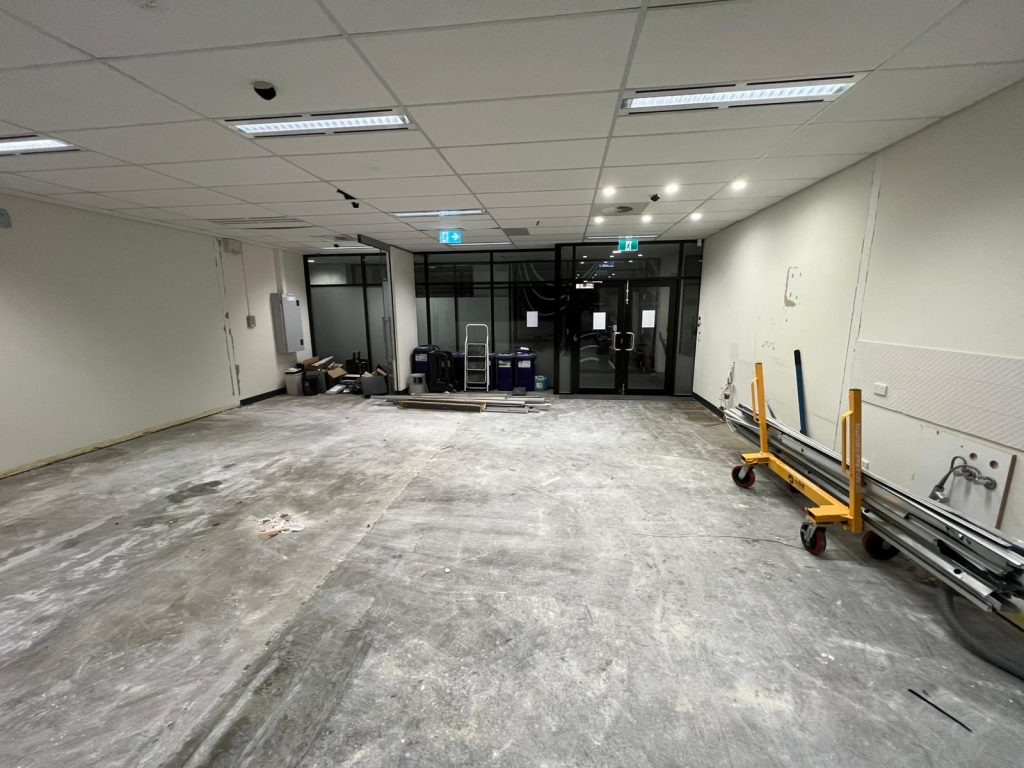
Fitout removal is the starting point of any business defit project. This includes removing partitions, ceilings, flooring, joinery, and installed fixtures.
The cost depends on how the space was originally built. Lightweight, modular fitouts are faster and cheaper to remove. Heavily integrated shopfitting, especially when fixed into walls or slabs, increases labour time and waste handling.
The more permanent the installation, the higher the removal cost.
Shopfitting Complexity and Its Cost Impact
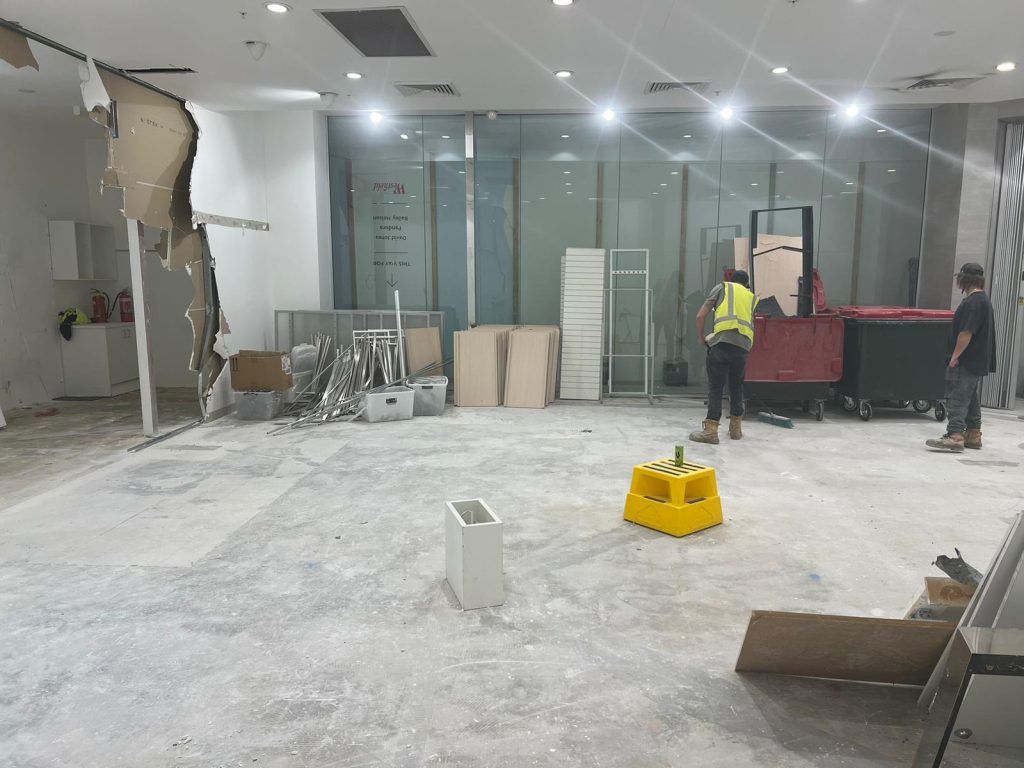
Shopfitting plays a major role in any Defit and Makegood Cost Breakdown. Retail and custom commercial spaces often include detailed joinery, feature walls, lighting systems, and branded elements.
These are not simple to remove. They often require careful dismantling to avoid damaging the base building. In some cases, partial demolition methods are needed.
That extra time and care adds directly to the cost.
Services Disconnection and Compliance Costs
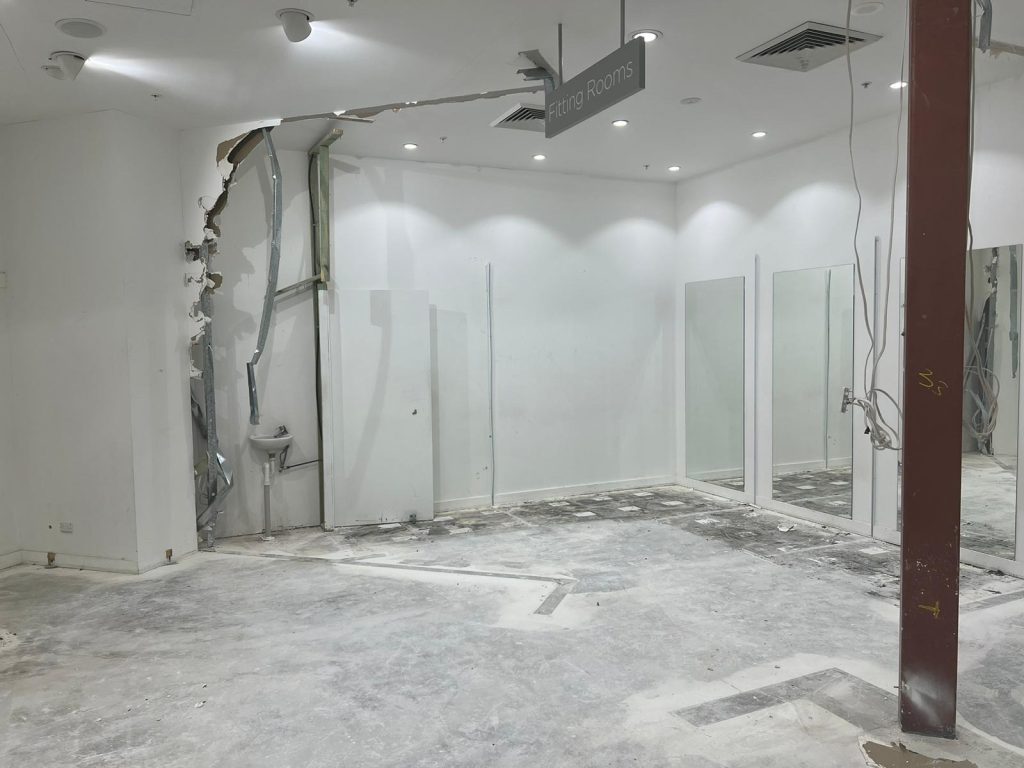
Electrical, data, plumbing, and HVAC systems must be handled correctly during commercial defit works. This is not optional. It is a compliance requirement.
Licensed trades are needed to disconnect and make safe any services installed during the tenancy. If the original shopfitting altered base building systems, additional work may be required to restore them.
This part of the Defit and Makegood Cost Breakdown is often underestimated, but it can be significant.
Makegood Works: The Hidden Cost Layer
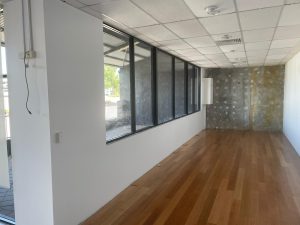
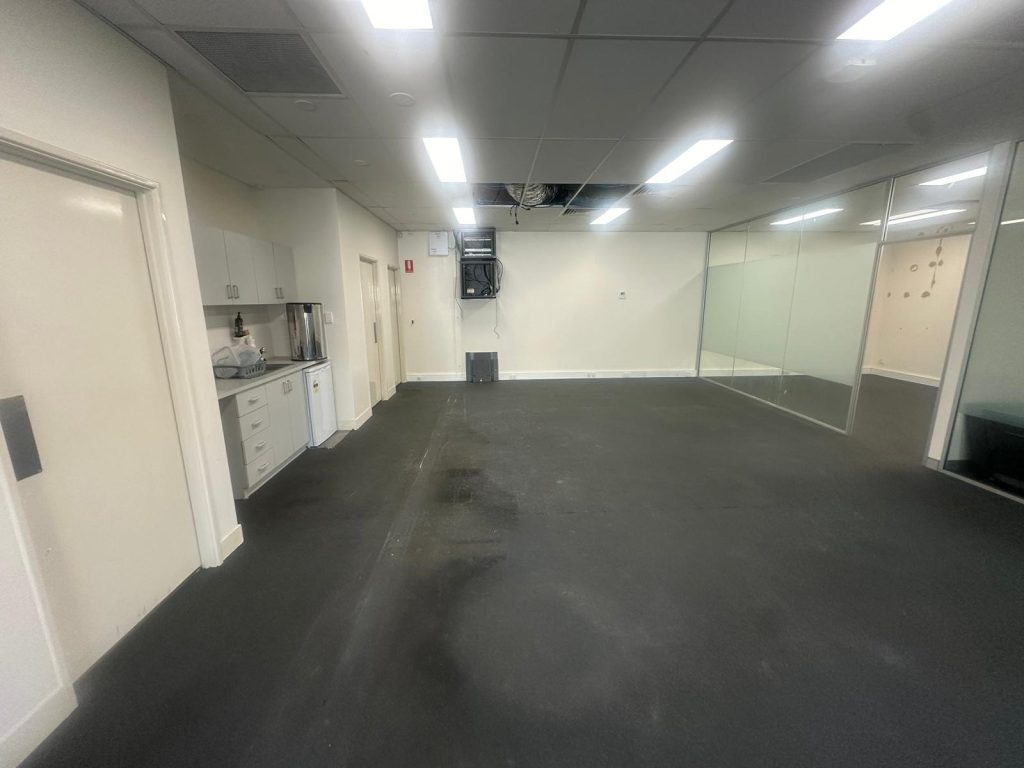
After fitout removal, makegood begins. This includes patching walls, repainting, repairing ceilings, and reinstating floors.
This is where many tenants underestimate costs. Removal exposes damage. Holes, marks, and structural wear must be fixed to meet lease conditions.
A thorough Defit and Makegood Cost Breakdown always includes restoration, not just strip-out.
Waste Removal and Disposal Costs
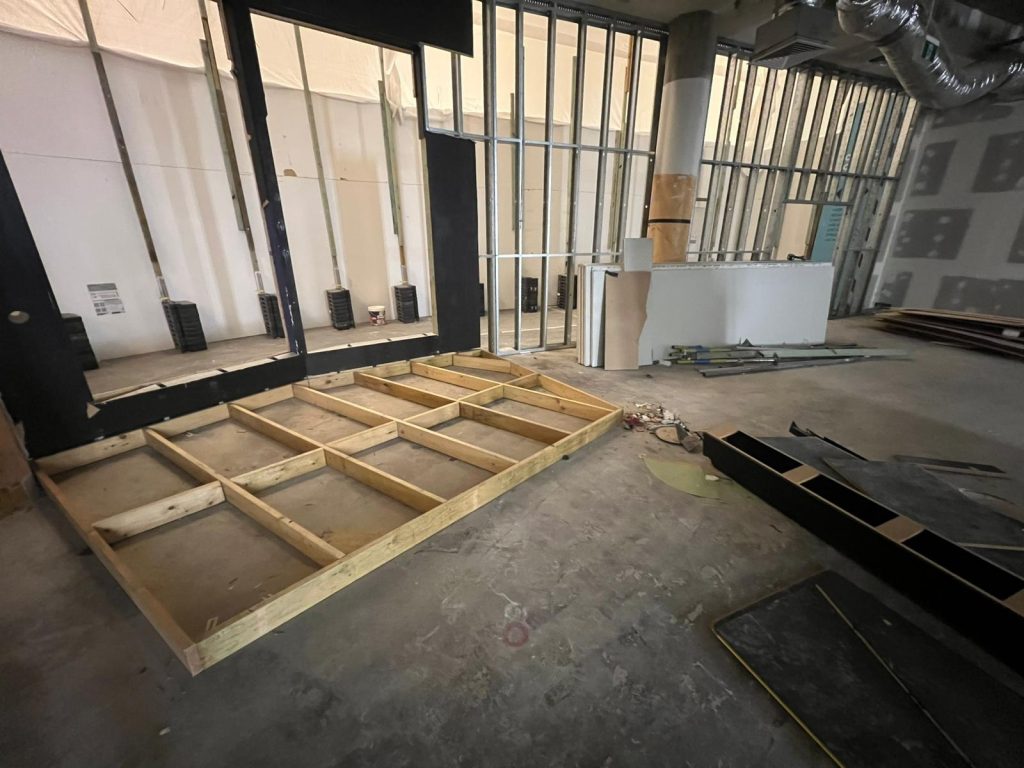
Commercial defit projects generate a large amount of waste. Plasterboard, timber, metal, glass, and shopfitting materials all need to be removed and disposed of properly.
Costs depend on volume, material type, and access conditions. Tight access sites, such as CBD buildings, often increase labour time and transport requirements.
Efficient waste management can reduce costs, but poor planning here can slow the entire project.
Insurance Debris and Unexpected Costs
If the defit is linked to damage, insurance debris may come into play. This can change how costs are handled.
Materials damaged by an insured event may be covered, but only if properly documented before removal. Without this, tenants may absorb costs that could have been claimed.
Insurance-related work adds another layer to the Defit and Makegood Cost Breakdown, especially in time-sensitive situations.
Size, Access, and Location Factors
Not all commercial defit projects are equal. Size matters, but access often matters more.
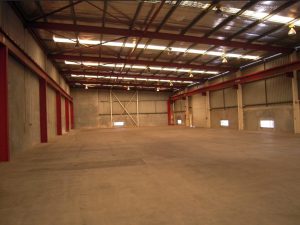
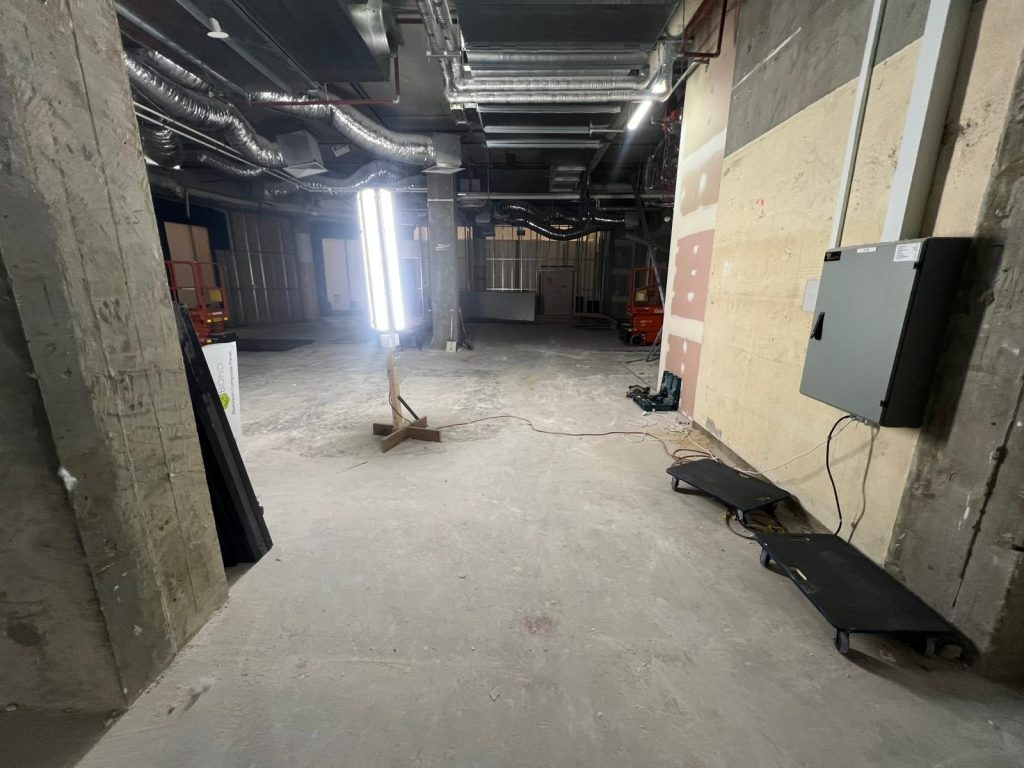
A small office in a high-rise building with strict access rules can cost more than a larger warehouse defit with open access. Lift usage, working hours, and building restrictions all influence labour time.
Location within Perth also affects logistics and disposal costs.
Contractor Experience and Project Efficiency
Choosing the right contractor directly impacts cost. Experienced teams work faster, manage waste better, and avoid rework.
Inexperienced contractors may offer lower upfront pricing, but delays, mistakes, and compliance issues often increase the final cost.
A realistic Defit and Makegood Cost Breakdown considers efficiency, not just rates.
How to Keep Defit Costs Under Control
The best way to manage cost is to plan early. Review lease requirements, assess the fitout, and understand what must be removed and restored.
Design decisions made during the original shopfitting stage also matter. Fitouts designed for easy removal reduce future costs significantly.
Clear scope, early planning, and the right contractor keep the project within budget.
FAQs About Defit and Makegood Costs
What is the biggest cost driver in defit projects?
Fitout removal and makegood works are usually the largest contributors.
Does shopfitting increase defit costs?
Yes. Complex shopfitting installations require more time and labour to remove.
Can insurance debris reduce costs?
It can, but only if damage is documented and approved before removal.
Are office and warehouse defit costs different?
Yes. Office spaces often involve more detailed restoration, while warehouses may involve heavier removal work.
How can tenants reduce defit costs?
By planning early, understanding lease requirements, and choosing fitouts that are easier to remove.