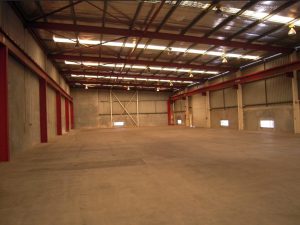
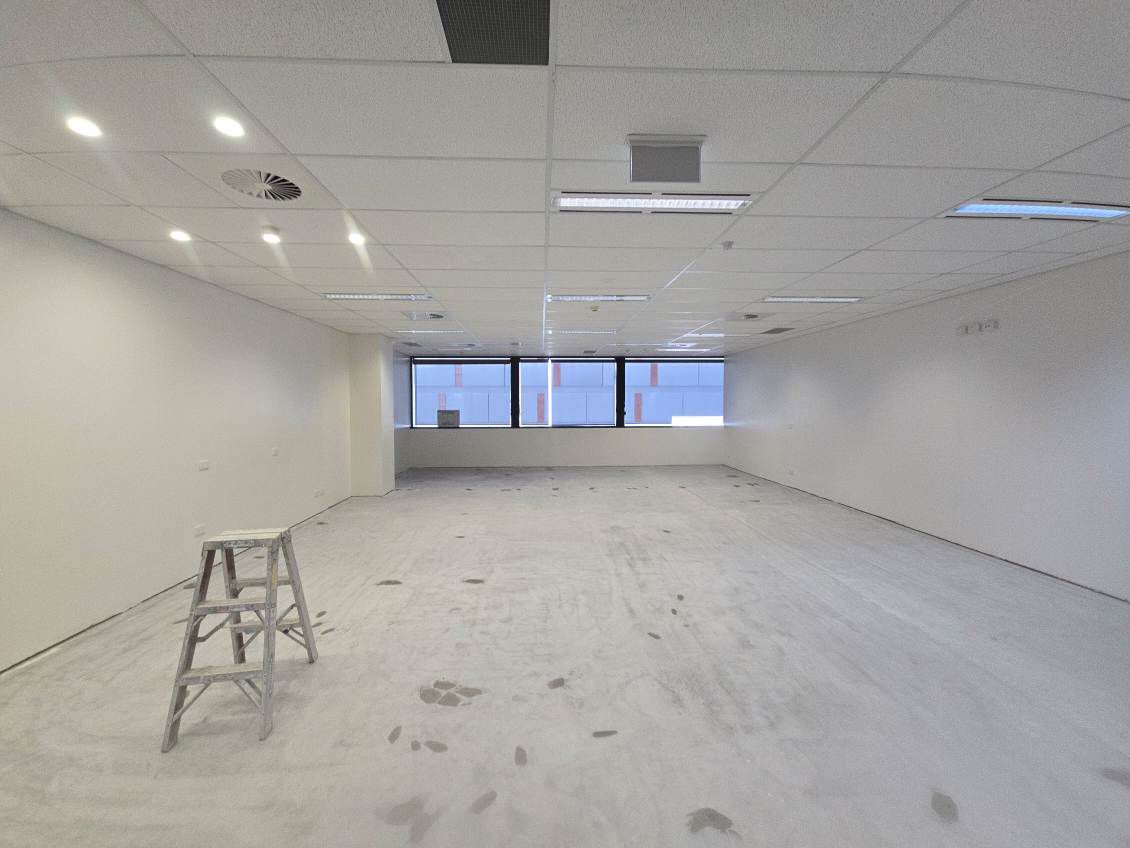
Defit vs makegood is one of the biggest areas of confusion in commercial leasing. Many tenants assume they mean the same thing. They don’t.
Understanding the difference matters because both affect lease handover, project scope, timelines, and overall cost. Misunderstanding defit and makegood responsibilities can lead to disputes with landlords, failed inspections, and unexpected expenses during lease exit.
For commercial tenants in Perth, knowing where defit ends and makegood begins helps avoid costly mistakes.
Defit vs Makegood: The Core Difference
Defit is the removal phase. Makegood is the restoration phase.
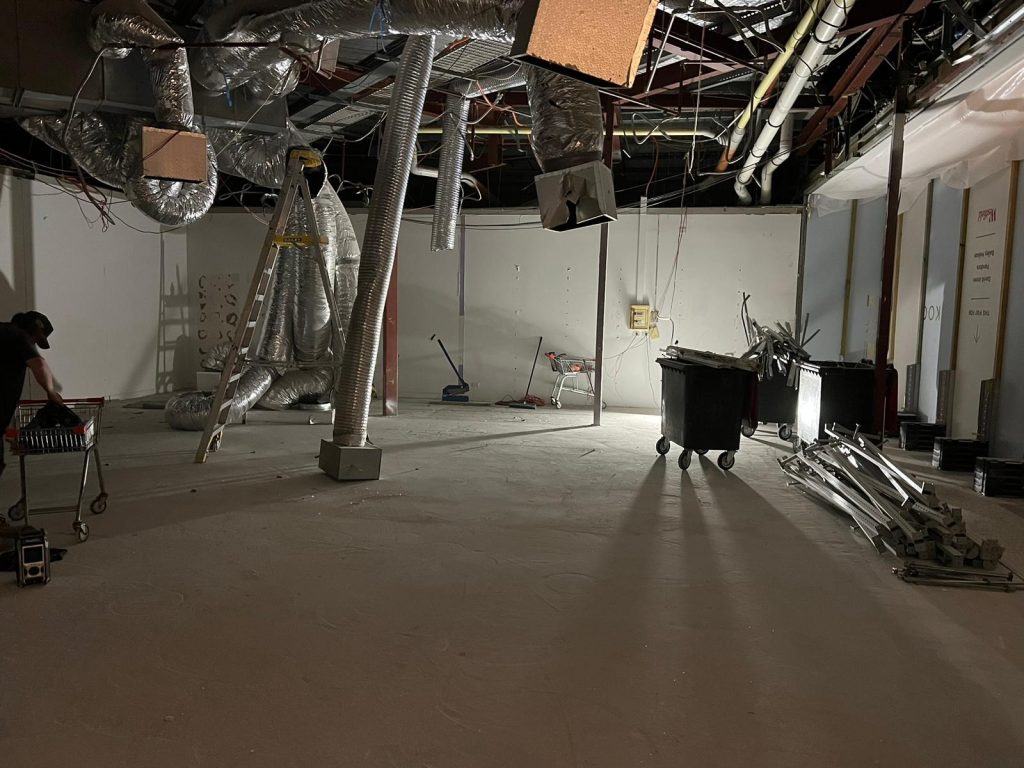
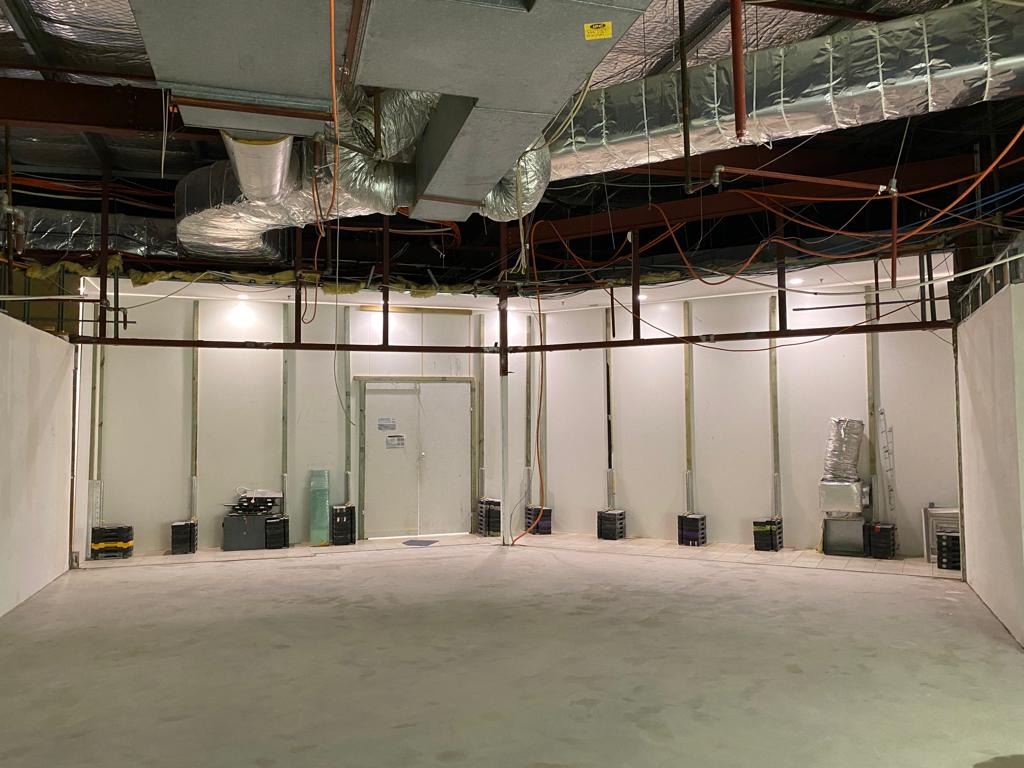
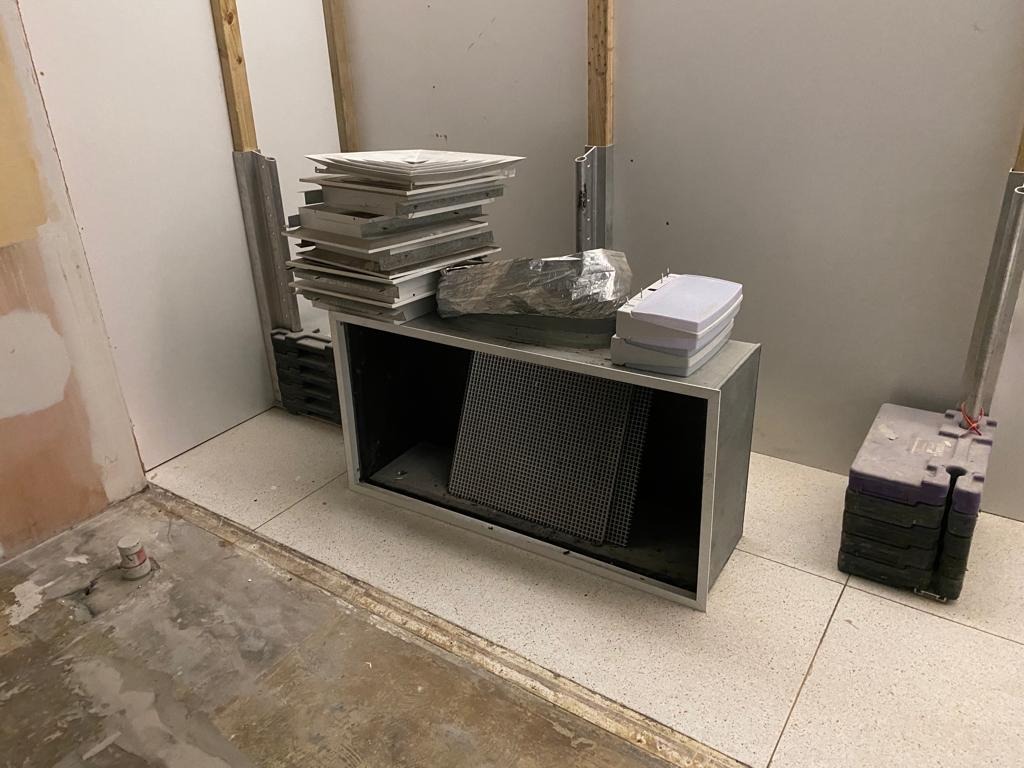
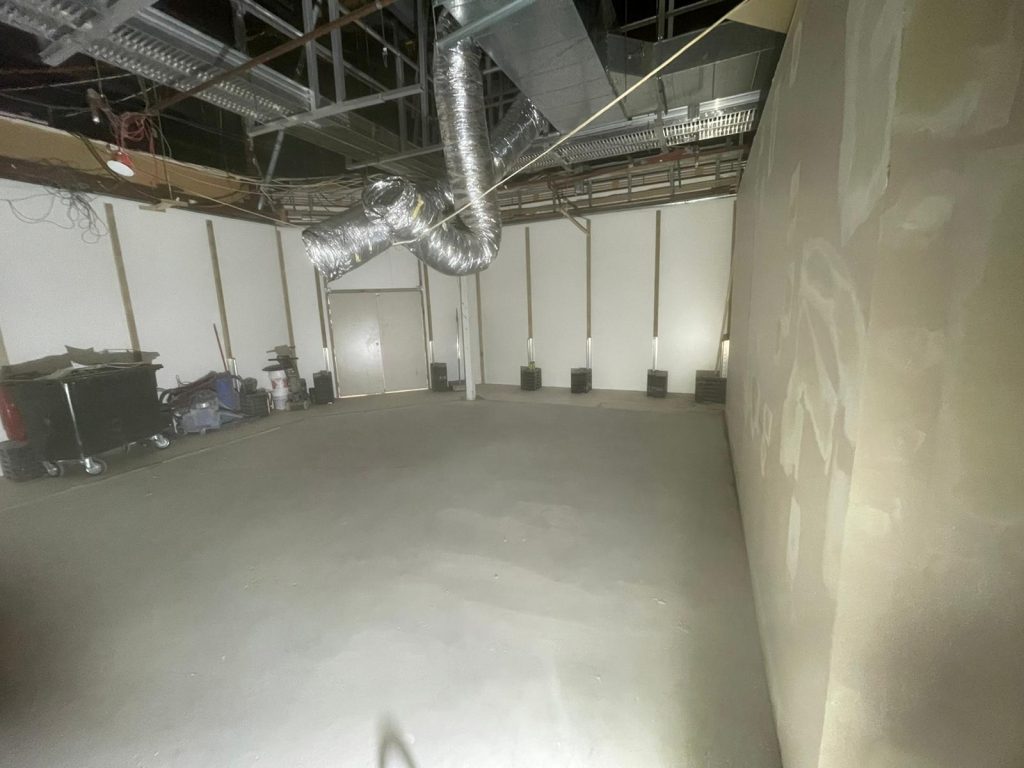
A defit focuses on stripping out everything installed during the tenancy. This includes partitions, flooring, ceilings, shopfitting, signage, and fitout removal works.
Makegood happens after the stripout. It restores the premises to the condition required under the lease agreement. This may include repainting, patching walls, repairing ceilings, and reinstating floors.
In simple terms, defit removes. Makegood repairs and restores.
What Is Included in a Commercial Defit?
Commercial defit works are centred around stripouts and removal activities. The goal is to clear the space of tenant-installed elements without damaging the base building.
A typical office defit may involve removing workstations, glass partitions, data cabling, and meeting rooms. A shop defit often includes dismantling shopfitting, counters, signage, and display systems.
The complexity depends on how heavily integrated the fitout is within the space.
What Happens During Makegood Works?
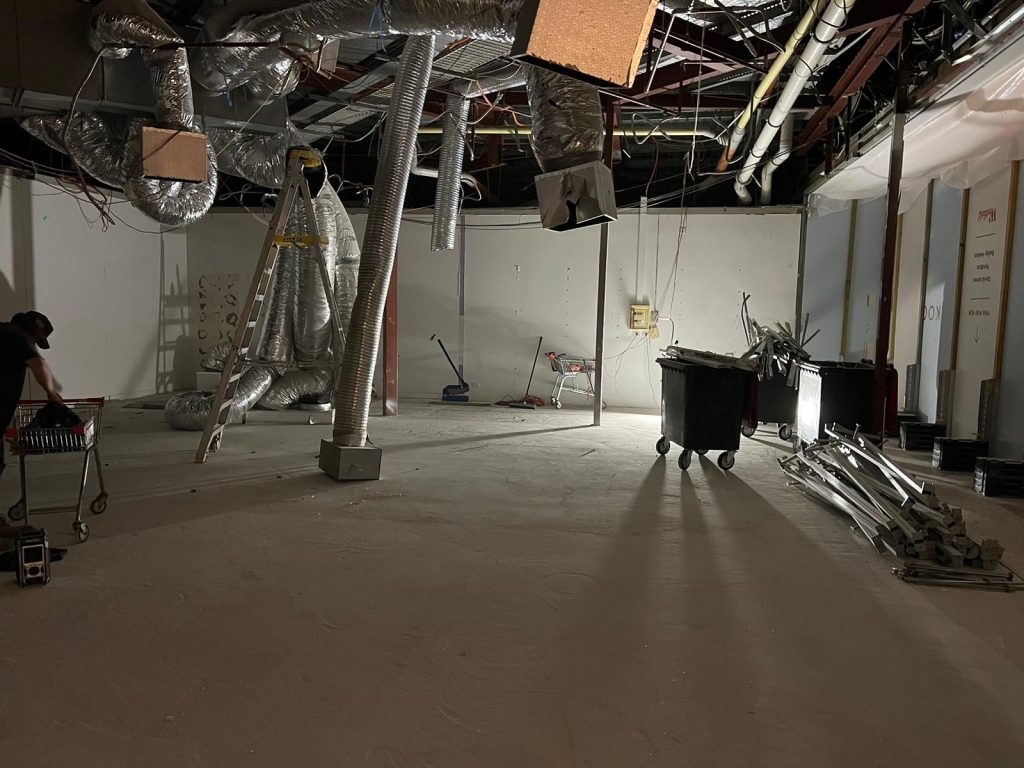
Once the stripout is complete, makegood begins. This stage focuses on restoring the property so it meets lease obligations and is ready for inspection.
Common makegood works include repainting walls, repairing holes, replacing damaged ceiling tiles, reinstating flooring, and cleaning the premises.
In some cases, electrical or HVAC systems altered during the tenancy must also be restored to base building condition.
Why Commercial Tenants Confuse the Two
The confusion happens because defit and makegood are usually performed together. Most tenants experience them as one combined project.
In reality, they are separate stages with different purposes. Defit is demolition and removal focused. Makegood is restoration focused.
This distinction becomes important when reviewing quotes, project timelines, and lease obligations.
How Lease Agreements Define Defit and Makegood
The lease determines exactly what level of restoration is required. Some leases require only basic stripouts, while others demand full reinstatement to original condition.
This is why tenants should review makegood clauses carefully before signing a lease. A vague clause can significantly expand the scope of both fitout removal and restoration works later.
The clearer the lease, the fewer surprises during handover.
Shopfitting and Its Impact on Defit Scope
Shopfitting has a major effect on commercial defit projects. Lightweight modular systems are relatively easy to remove. Heavily fixed shopfitting takes longer and often creates more restoration work afterward.
Built-in counters, tiled walls, custom lighting, and integrated joinery increase labour during stripouts and can expose hidden damage underneath.
The more complex the fitout, the more involved both defit and makegood become.
Hidden Costs That Appear Between Defit and Makegood
Many tenants budget for stripouts but underestimate restoration. Once fitout removal begins, issues often appear underneath the existing fitout.
Wall damage, floor deterioration, ceiling marks, and outdated services become visible during the project. These are not always included in initial estimates.
This is where costs can escalate quickly if contingency has not been planned.
Timing Matters More Than Most Tenants Expect
Leaving defit and makegood too late creates pressure on every stage of the project. Contractors become harder to book, approvals take longer, and rushed works increase labour costs.
Starting early allows proper planning for stripouts, waste removal, and final restoration. It also reduces the risk of delayed lease handover.
Commercial tenants who plan ahead usually spend less overall.
How Landlords View Defit and Makegood
From a landlord’s perspective, the goal is simple. The property should be ready for the next tenant without requiring additional work.
Incomplete stripouts or poor restoration delay re-leasing and reduce property presentation. That is why landlords often inspect projects carefully before approving final handover.
Meeting makegood requirements protects the tenant’s bond and helps avoid disputes.
Choosing the Right Contractor Matters
Not every contractor specialises in commercial defit and makegood projects. Some focus only on demolition, while others lack experience in restoration and compliance.
Experienced teams understand how to sequence stripouts, handle fitout removal safely, and complete makegood works to commercial standards.
The right contractor keeps the project efficient and reduces the risk of rework.
FAQs About Defit vs Makegood
What is the difference between defit and makegood?
Defit removes tenant-installed items, while makegood restores the premises to the required condition.
Does every commercial lease require makegood?
Most commercial leases include some form of makegood obligation, but the scope varies.
Is fitout removal part of defit?
Yes. Fitout removal is a core part of commercial defit works.
Can shopfitting increase makegood costs?
Yes. Complex shopfitting often causes more surface damage and restoration work.When should tenants start planning defit and makegood?
Ideally several months before lease expiry to allow time for inspections, approvals, and scheduling.