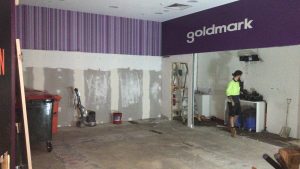
Choosing the right Demolition Contractor in Perth can determine whether your commercial project runs smoothly or turns into a costly delay. Whether you are a tenant leaving a premises, a landlord preparing a property for redevelopment, or a business owner removing an old fitout, the contractor you choose needs to understand more than just demolition.
Commercial demolition often involves careful planning, compliance requirements, fitout removal, and restoration work. The right team can manage the entire process from initial stripout through to final site preparation.
What Does a Commercial Demolition Contractor Do?
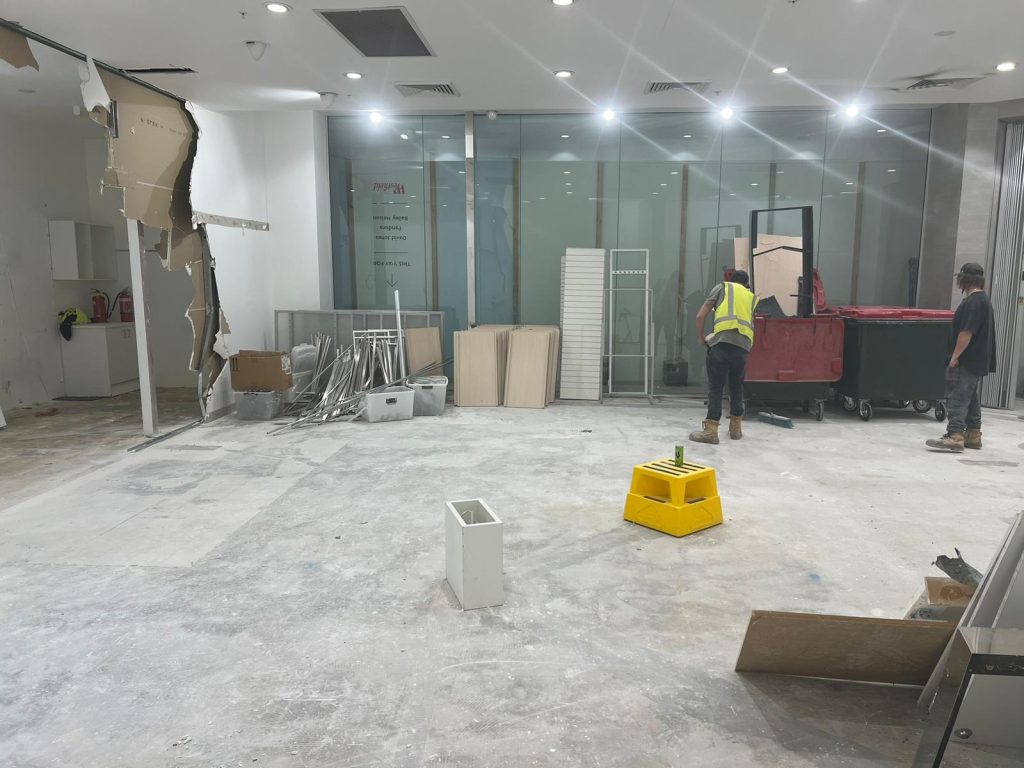
A Demolition Contractor in Perth handles the safe removal of structures, internal layouts, and installed elements within commercial properties.
Unlike basic removal work, commercial demolition requires detailed planning. Contractors must consider building access, safety procedures, waste disposal, and surrounding occupants.
For many businesses, demolition is connected to a larger defit and makegood process. This means the work must not only remove existing elements but also prepare the property for its next stage.
Commercial Demolition vs Stripout: Understanding the Difference
Many people use demolition and stripout interchangeably, but they are different processes.
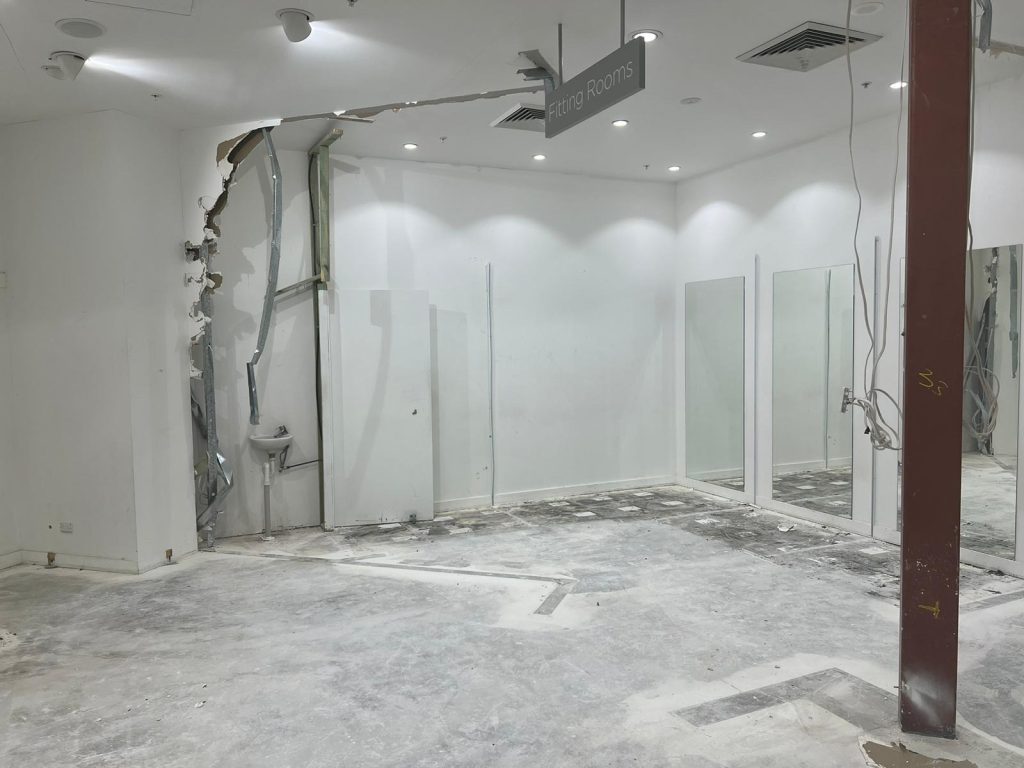
A stripout focuses on removing internal fitout elements such as partitions, flooring, ceilings, fixtures, and office equipment. It is commonly required when tenants are exiting a lease or preparing for a new fitout.
Commercial demolition can involve more extensive removal, including structural components depending on the project requirements.
Understanding the difference helps property owners choose the right service and avoid unnecessary costs.
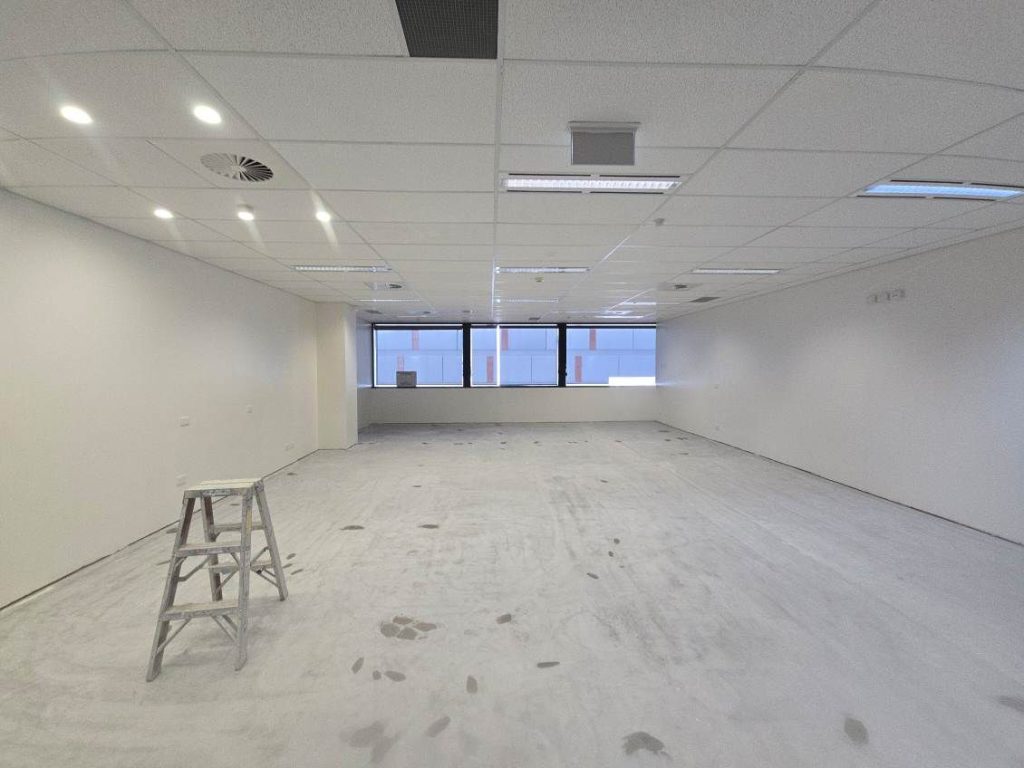
Why Fitout Removal Requires Experience
Fitout removal is one of the most common reasons businesses need demolition services. Offices, retail spaces, and warehouses often contain customised installations that need careful dismantling.
A professional contractor understands how to remove these elements without causing unnecessary damage to the base building.
This is especially important for projects involving:
- office defit works
- shop defit projects
- warehouse modifications
- retail shopfitting removal
Poorly managed removal can create additional repair costs during the makegood stage.
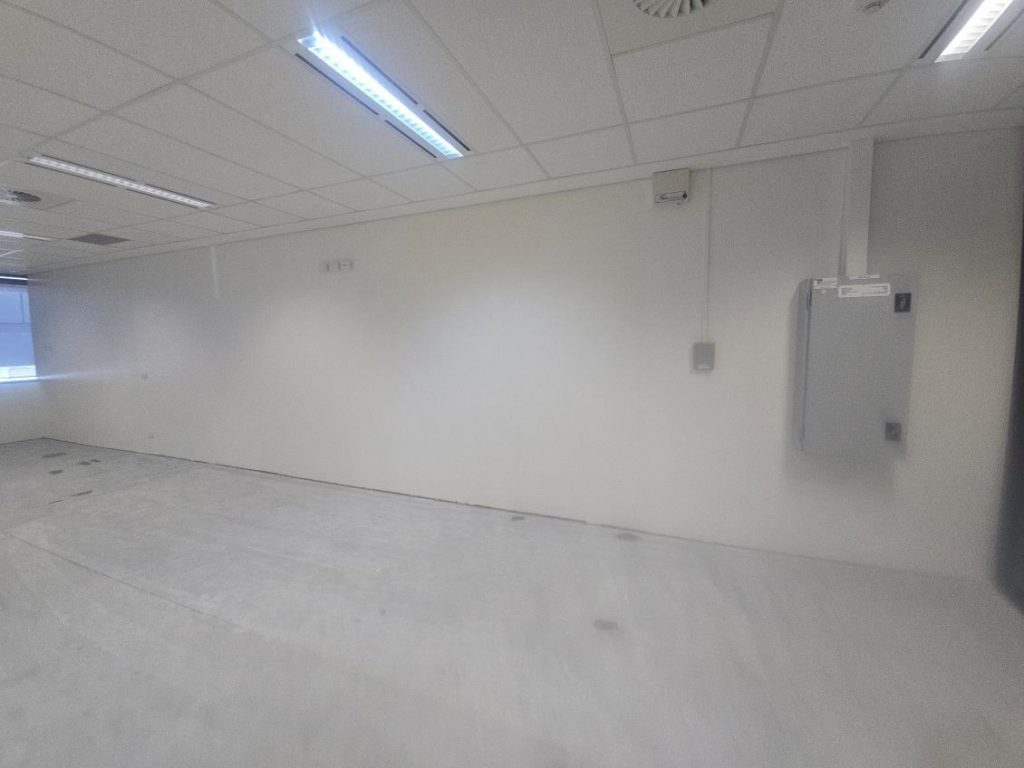
The Role of Defit and Makegood in Commercial Projects
Defit and makegood work goes beyond simply clearing a space.
Defit involves removing tenant-installed items, while makegood focuses on restoring the property according to lease requirements. This may include repairing walls, restoring surfaces, removing signage, and preparing the premises for handover.
A contractor experienced in both demolition and defit services understands how these stages connect. This reduces delays and helps tenants meet landlord expectations.
How to Choose the Right Demolition Contractor in Perth
Finding a suitable contractor requires more than comparing prices. Commercial projects need a team that understands timelines, safety, and building requirements.
Before hiring a demolition contractor, consider their experience with similar projects. A contractor who regularly handles commercial stripouts will understand the challenges involved with access restrictions, waste management, and working around occupied buildings.
Clear communication is also essential. A good contractor should explain the process, timeline, and expected costs before work begins.
Check Their Approach to Safety and Compliance
Commercial demolition requires strict safety controls. Contractors must manage risks involving electrical systems, hazardous materials, structural elements, and waste removal.
A reliable Demolition Contractor in Perth should have processes in place for:
- site preparation
- safe removal procedures
- waste management
- worker protection
- building compliance
This protects everyone involved and reduces the chance of project interruptions.
Consider Insurance Debris and Unexpected Damage
Some demolition projects involve insurance-related situations, especially after events causing property damage.
Insurance debris management requires proper documentation and careful removal processes. Materials may need to be assessed before disposal to support insurance claims.
A contractor familiar with insurance debris procedures can help prevent mistakes that may affect recovery or project costs.
Common Mistakes When Hiring a Demolition Contractor
One common mistake is choosing based only on the lowest quote. A cheaper price may exclude important services like waste removal, preparation work, or makegood repairs.
Another mistake is failing to confirm the project scope. Without a clear plan, additional costs can appear during demolition.
Property owners should also avoid waiting until the last minute. Commercial demolition requires scheduling, approvals, and coordination with other trades.
How Commercial Demolition Projects Usually Work
A typical project follows several stages.
First, the site is inspected to identify the scope of work. The contractor then prepares a plan covering removal methods, access, safety, and waste handling.
After preparation, demolition or stripout works begin. Once removal is complete, the site can move into restoration, redevelopment, or new construction.
The smoother these stages connect, the easier the project becomes.
Why Businesses Choose Professional Demolition Services
Professional demolition services save time, reduce risk, and create a clearer path toward project completion.
For tenants, this means a smoother lease exit. For landlords, it means faster preparation for new occupants. For business owners, it means less disruption and better control over costs.
A reliable demolition contractor provides more than removal. They provide project coordination.
FAQs About Demolition Contractors in Perth
What services does a commercial demolition contractor provide?
Commercial demolition contractors can handle structural removal, stripouts, fitout removal, waste management, and preparation for redevelopment.
Is demolition the same as a stripout?
No. Stripouts usually focus on removing internal fitout elements, while demolition can involve larger-scale removal.
Do I need demolition services for a shop defit?
Many shop defit projects require demolition-style removal, especially when dealing with fixed shopfitting and internal structures.
Can demolition include defit and makegood services?
Yes. Many commercial projects combine demolition, defit, and makegood to complete the full tenancy transition.
How early should I book a demolition contractor?
Booking early allows time for inspections, planning, approvals, and coordination with other project requirements.