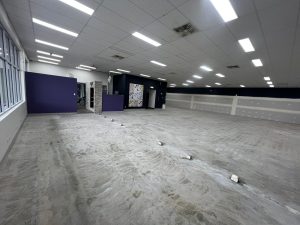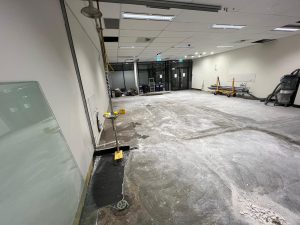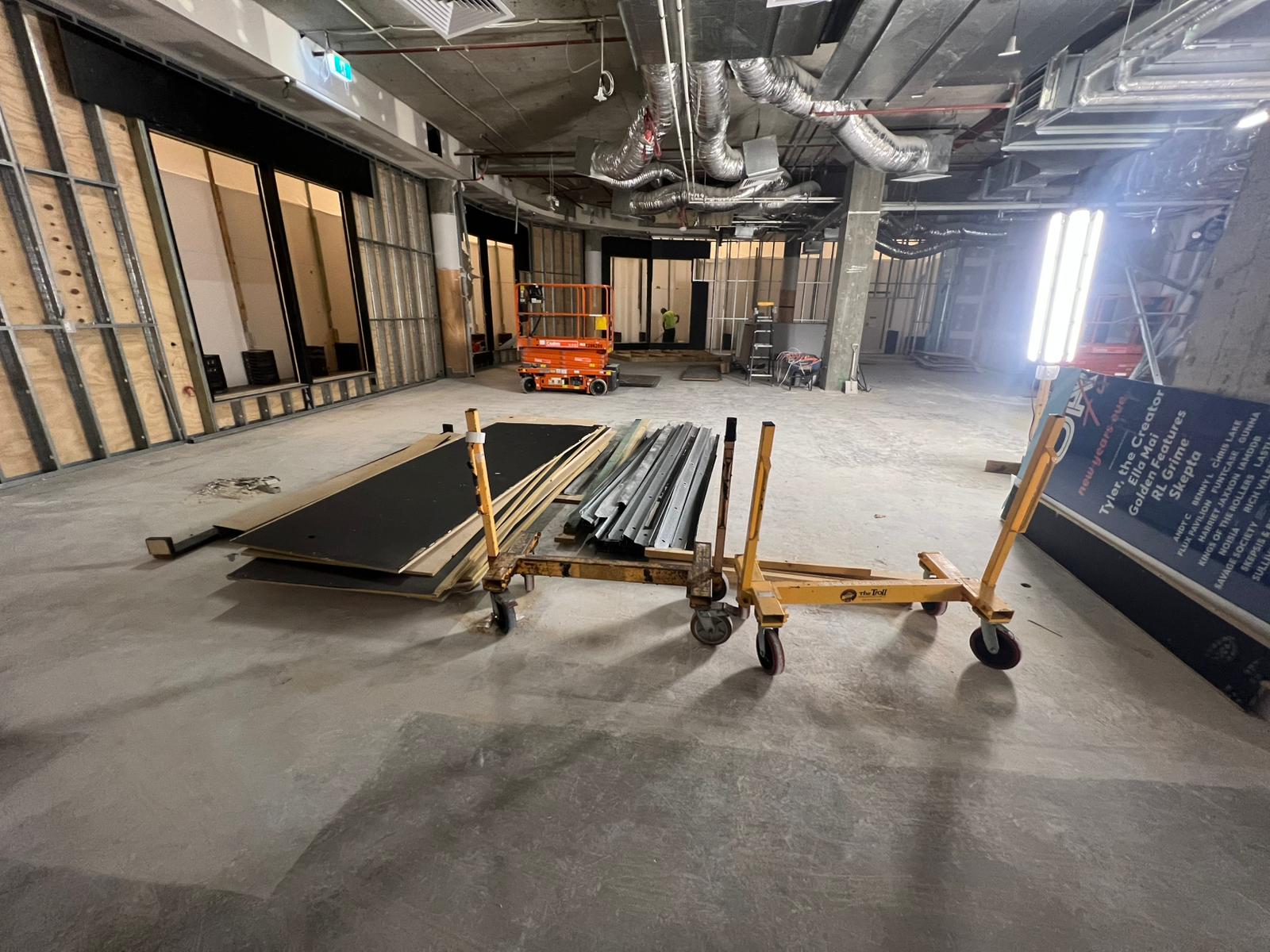
After a commercial property suffers damage, clearing debris is usually the first step before any recovery can begin. For Perth landlords, shop owners, commercial tenants, and builders, insurance debris removal plays a critical role in how quickly a site can move from disruption to reinstatement. When handled poorly, it slows claims, delays defit and makegood works, and creates tension between insurers and property stakeholders.
Understanding how debris clearance fits into defit, makegood, and demolition processes helps commercial projects recover faster and stay compliant.
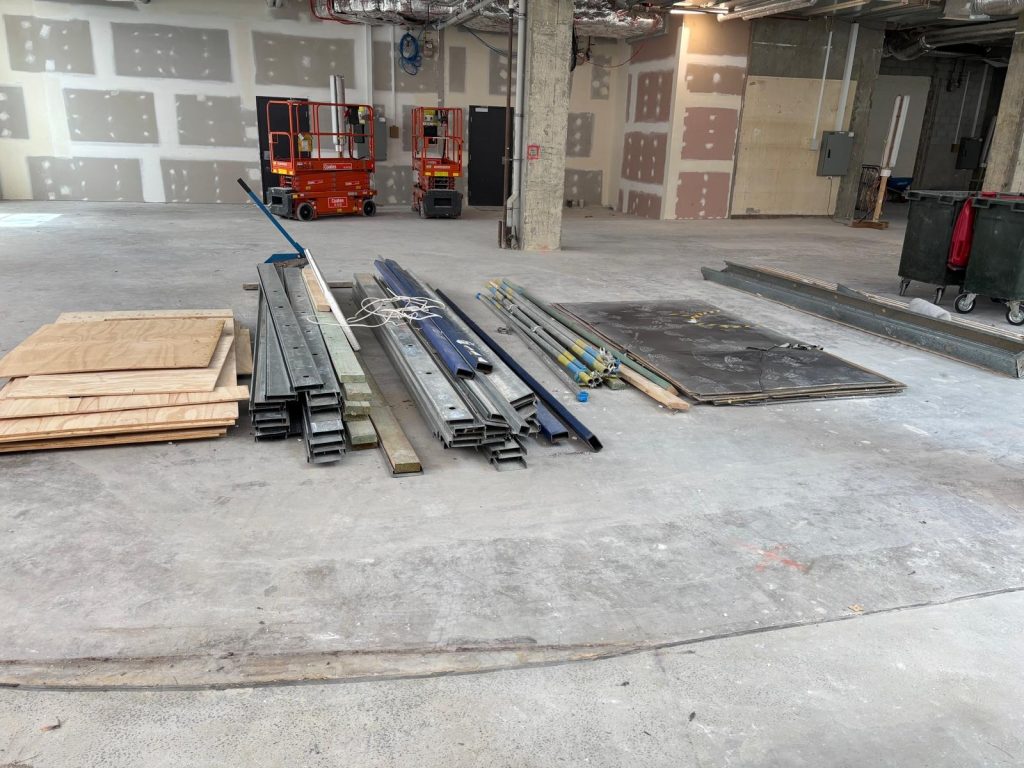
What Debris Removal Is Covered Under Commercial Insurance
Most commercial insurance policies cover the removal of damaged materials caused by an insured event such as fire, flooding, storm impact, or accidental damage. This usually includes broken fixtures, damaged finishes, collapsed internal elements, and contaminated materials that cannot remain on site. It does not normally cover elective strip-outs, planned upgrades, or standard defit work unless those elements were directly affected by the incident.
Misunderstanding this boundary is one of the most common reasons claims stall.
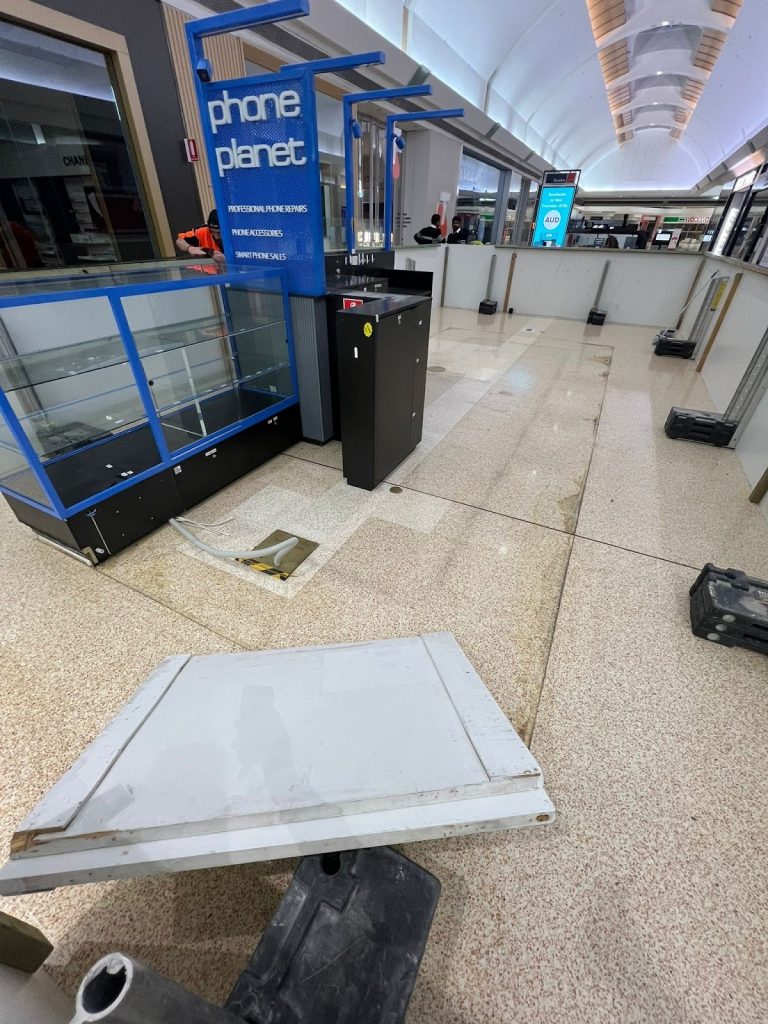
When Debris Clearance Becomes a Defit or Makegood Issue
Once damaged materials are removed, the underlying condition of the space becomes visible. At that point, defit and makegood obligations often come into play. In Perth commercial properties, this can involve partial office defit, shop defit, or warehouse defit depending on the lease and the extent of damage. Debris clearance clears the way, but it does not remove contractual responsibilities tied to reinstatement.
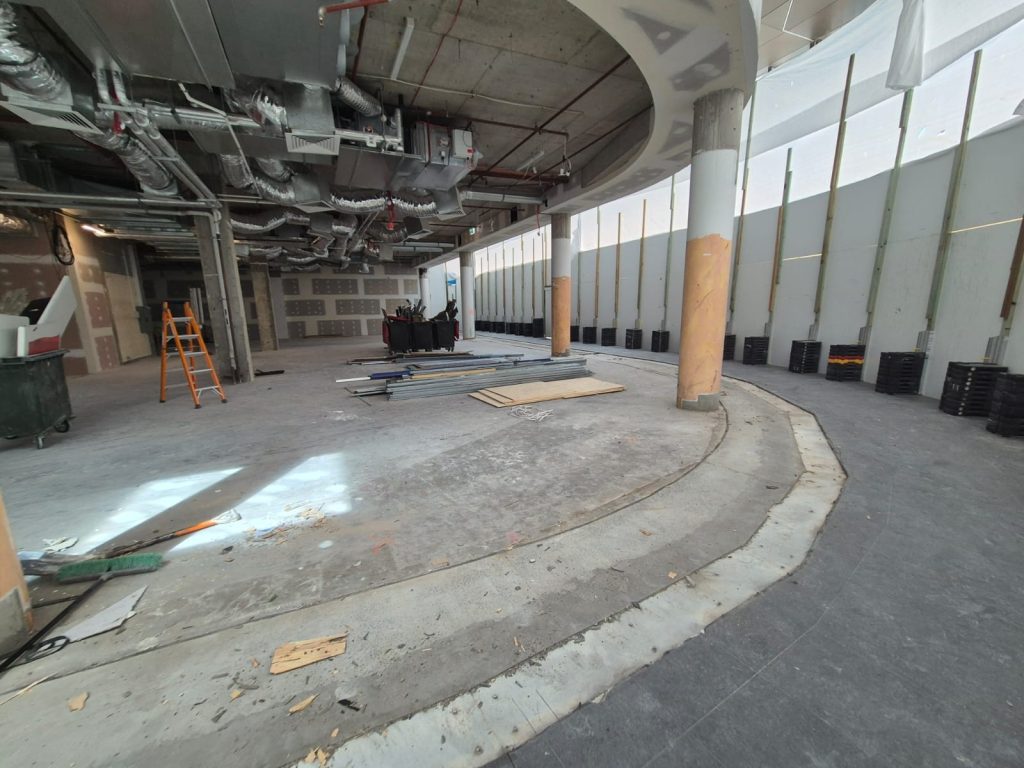
How Fitout and Shopfitting Increase Debris Complexity
The way a space was originally fitted out directly affects the volume and difficulty of debris removal. Custom joinery, fixed shopfitting, layered services, and hard-fixed finishes all increase labour time and waste handling requirements. A modular office layout produces far less debris than a retail space built with permanent counters and fixed service penetrations. These earlier decisions influence how insurers assess scope and cost.
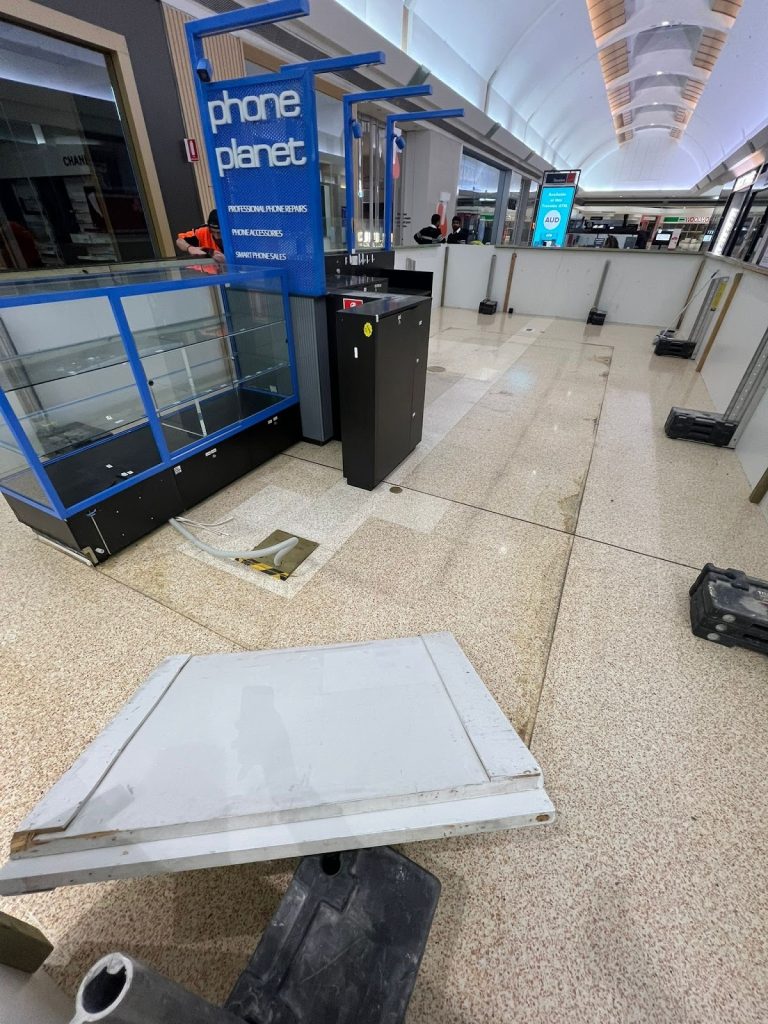
Office, Retail, and Warehouse Sites Handle Debris Differently
Debris management varies significantly by property type. Office sites commonly involve ceilings, partitions, cabling, and lighting systems. Retail spaces generate debris from joinery, signage, glazing, and shopfront alterations. Warehouse sites may involve damaged racking, plant infrastructure, or structural elements. Each environment presents different safety risks, access constraints, and disposal requirements across Perth locations.
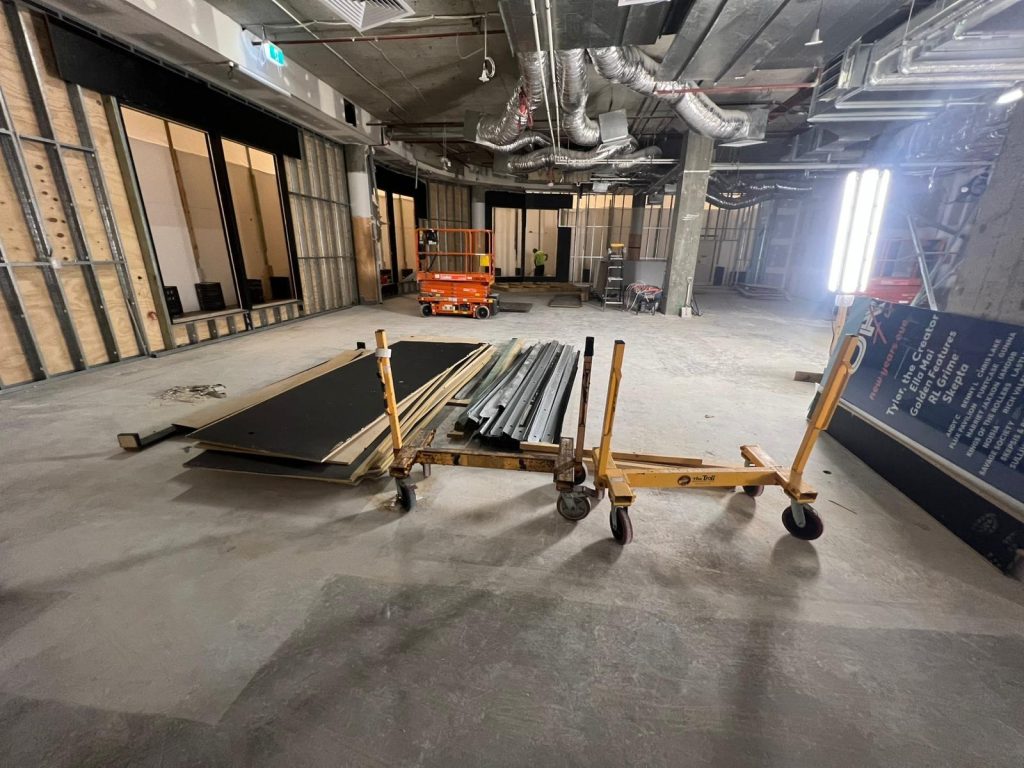
The Line Between Demolition and Debris Removal
Demolition and debris clearance are closely linked but not interchangeable. Demolition services involve intentional structural removal, while debris removal focuses on clearing materials damaged by an insured event. Issues arise when demolition begins before damage is documented or approved. Insurers typically require evidence before authorising removal, making sequencing and reporting essential.
How Insurers Assess Debris Removal Costs in Commercial Claims
Insurers evaluate debris-related costs based on material type, volume, contamination risk, access limitations, and urgency. Mixed waste streams, hazardous materials, and restricted access in Perth CBD locations often increase scrutiny. Separating debris clearance from defit and makegood scopes helps insurers assess claims faster and reduces pushback.
| Assessment Factor | Why It Matters | Effect on Claim |
| Material type | Determines disposal method | High |
| Volume | Drives labour and transport | High |
| Contamination | Requires specialist handling | Very high |
| Site access | Impacts safety and timing | Medium |
Coordinating Debris Clearance With Defit and Makegood Works
Treating debris removal as a standalone task often creates downtime between claim approval and reinstatement. When clearance is coordinated alongside defit and makegood services, sites transition smoothly from clean-out to restoration. This approach reduces duplicated labour, shortens overall timelines, and keeps landlords and insurers aligned on progress.
Common Mistakes That Delay Insurance-Related Debris Removal
The most costly mistakes happen early. Clearing materials before insurer approval, failing to photograph and document damage, or combining defit work into debris scopes frequently leads to rejected costs. Another issue is engaging contractors unfamiliar with insurance reporting requirements. These errors extend claim timelines and increase financial exposure.
Perth Scenario: When Debris Clearance Controlled the Recovery Timeline
A Perth warehouse tenant suffered storm damage that destroyed internal fixtures and racking. Initial debris clearance was approved quickly, but defit planning came later. Once damaged materials were removed, fixed installations required unplanned demolition services, adding weeks to the schedule. Early coordination between debris clearance, warehouse defit, and makegood would have reduced delays and cost.
Why Defit Specialists Handle Insurance-Related Debris Removal
Commercial debris clearance requires more than physical removal. It demands documentation, compliance awareness, and an understanding of how clearance decisions affect defit, demolition, and reinstatement. Perth Defit manages debris clearance as part of a broader defit and makegood process, keeping claims clean and handovers compliant.
FAQs About Insurance Debris Removal in Perth Commercial Properties
Is debris removal the same as defit work?
No. Debris removal addresses damaged materials, while defit removes tenant-installed elements whether damaged or not.
Does insurance usually pay for makegood work?
Only where damage is covered under the policy and approved within the claim scope.
Can demolition be included in debris removal claims?
Only when demolition is necessary to remove damaged elements and authorised by the insurer.
Who is responsible for organising debris clearance?
Responsibility depends on the lease, but coordination typically involves the tenant, landlord, and insurer.
When should damage be documented?
Immediately after the incident and before any materials are removed.