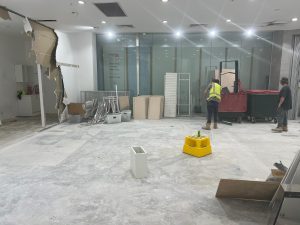
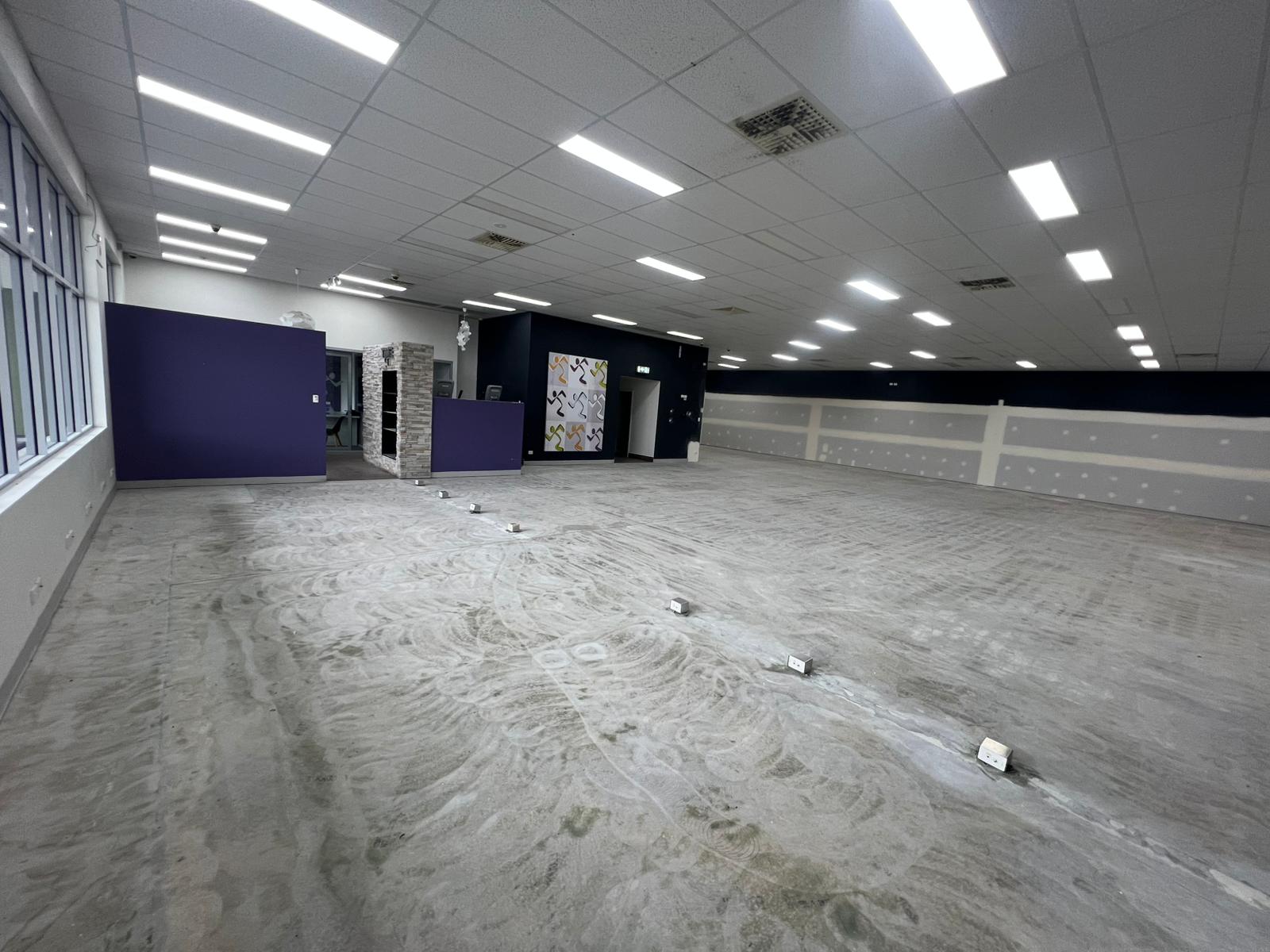
A solid defit and makegood checklist decides whether handover goes smoothly or turns into a costly scramble. In Perth, where commercial leases come with strict conditions, the smartest builders and business owners plan the end just as carefully as the beginning. A clean exit protects your bond, your timeline and your sanity.
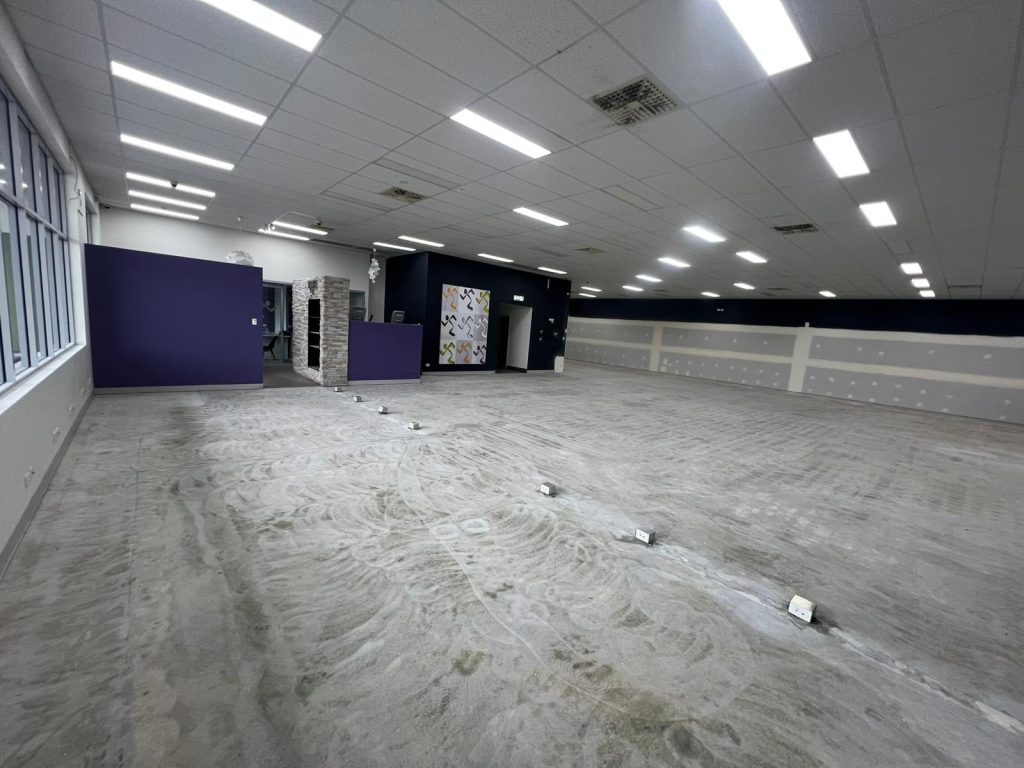
What Defit and Makegood Actually Mean in Perth
A defit is the controlled removal of everything added during the fitout phase. Floors, partitions, signage, cabling, counters and even branding elements come out. Makegood is the follow through. It restores the property to its original state so the landlord can re lease it without delay.
Offices usually involve partitions, carpets and data cabling. Shops demand attention to signage, counters, lighting layouts and any custom shopfitting. Warehouses often mean stripping racking systems, mezzanine additions or reinforced flooring. The principle stays the same but the workload shifts depending on the space.
The Core Stages of a Complete Defit and Makegood Checklist
A proper checklist starts with assessment. You compare the current condition of the space with the original entry report. Anything added must be removed and anything damaged must be repaired. Next comes planning. This is where trades are lined up, timelines are mapped and the sequence of removal is locked in.
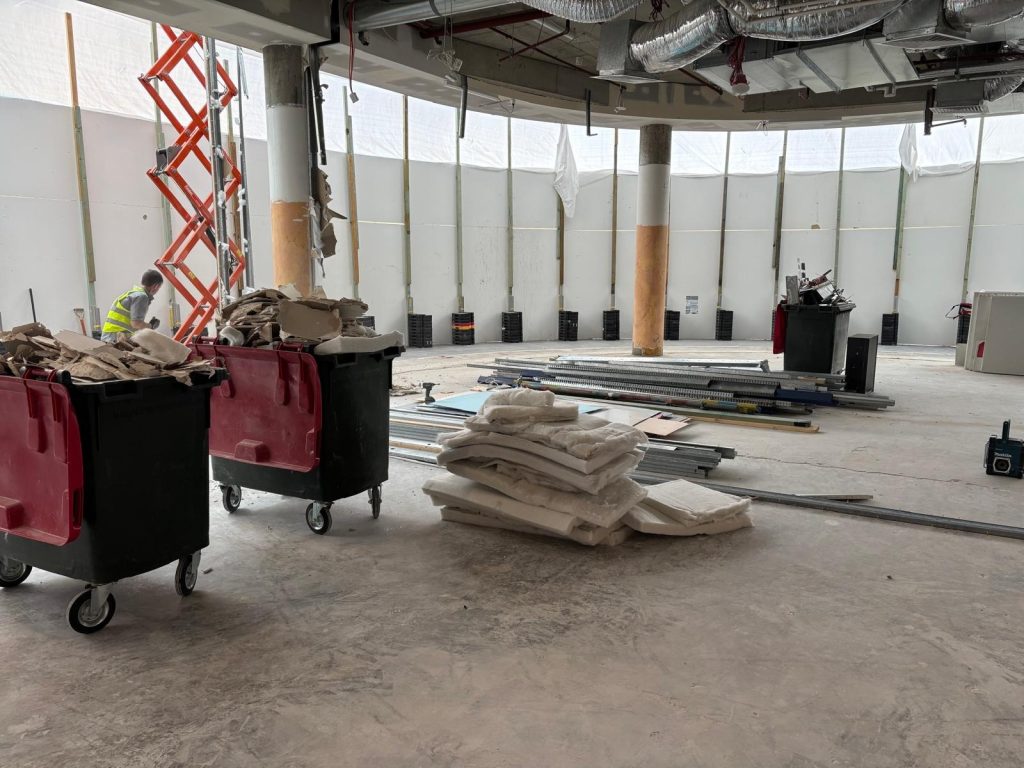
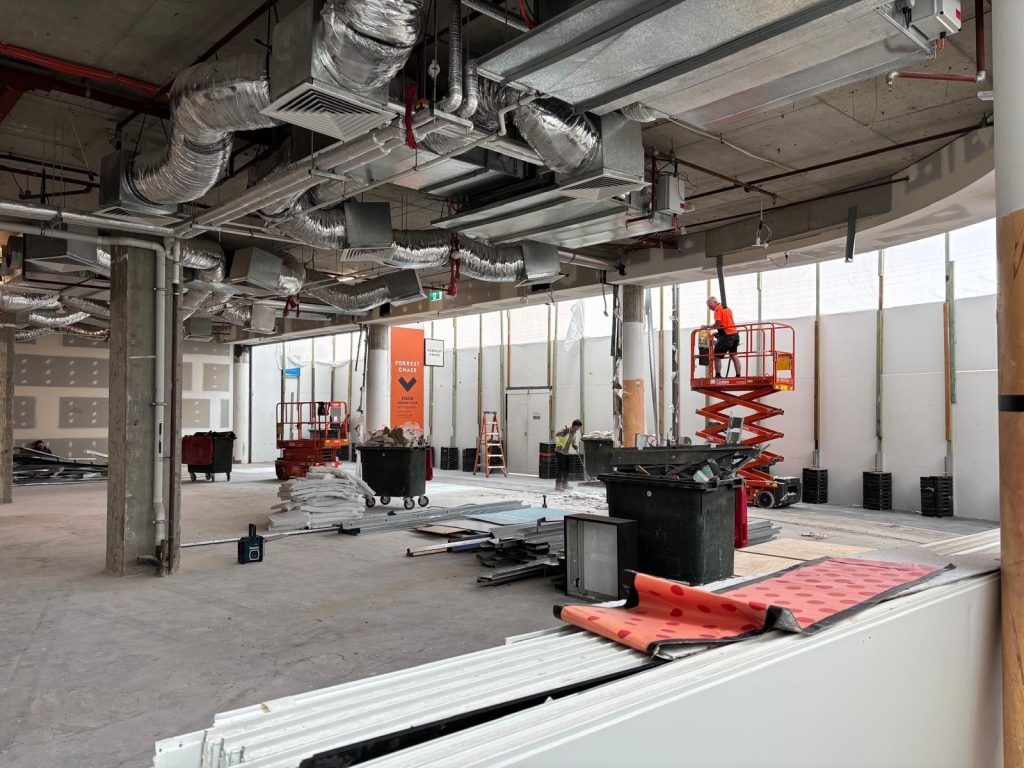
The stripout begins from the top down. Lighting, ceiling installations and loose fixtures come out first. Walls, floor treatments and built in joinery follow. Electrical and plumbing systems are safely disconnected by licensed trades. Waste management runs alongside the entire process to keep the site clear and compliant. Once the space is stripped, repairs begin. Holes are patched, paint is refreshed and floors are restored. The final sweep is a detailed clean that leaves nothing behind.
Why Different Spaces Need Different Checklist Priorities
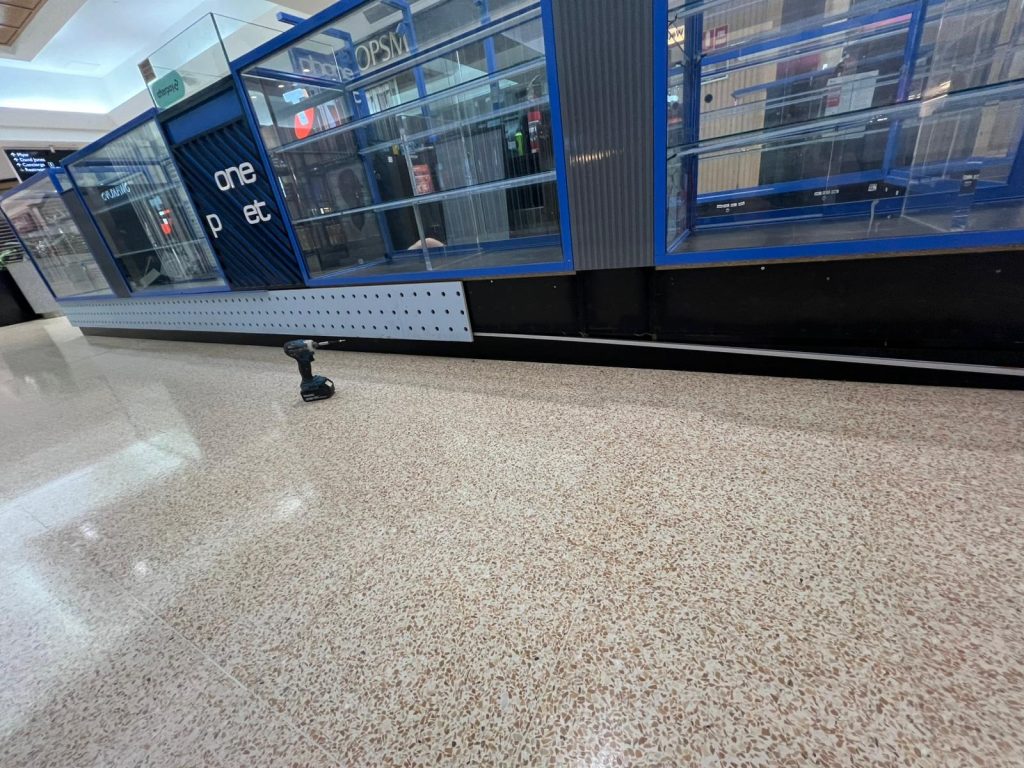
Each type of commercial property has its own pressure points. Offices often hide a surprising amount of cabling behind walls and ceilings. Retail spaces lean heavily on branding, so a big portion of the work involves reversing shopfitting elements without damaging base structures. Warehouses deal with heavy gear, meaning bolt holes, load bearing changes and concrete finishes require more attention.
Builders who manage multiple property types already know that no two defits feel the same. A good checklist adjusts to the quirks of each space rather than pretending they are interchangeable.
Compliance and Landlord Expectations in Perth
Most disputes during handovers come from mismatched expectations. Perth landlords rely heavily on lease clauses, and those clauses usually spell out the exact condition required at exit. Condition reports, photos and documented timelines are your strongest insurance. When a makegood clause says restore to base building condition, it means no leftover cabling, no custom walls and no abandoned fixtures.
A clear checklist removes ambiguity. You know what needs to go and what needs to stay. Landlords appreciate that level of precision because it cuts their downtime between tenants.
Cost Factors Every Builder and Business Owner Should Plan For
Labour is the obvious cost, but not the only one. Disposal fees climb quickly if you leave waste management to the last minute. Repairs can multiply if the original fitout wasn’t documented. Materials used during shopfitting also influence the eventual defit bill. Some finishes remove cleanly while others fight back and take chunks of the wall with them.
When defit planning starts early, especially during the initial fitout, costs drop. Builders who think ahead choose smarter materials, document every stage and give themselves breathing room near lease end.
A Practical Walkthrough of a Realistic Perth Defit Scenario
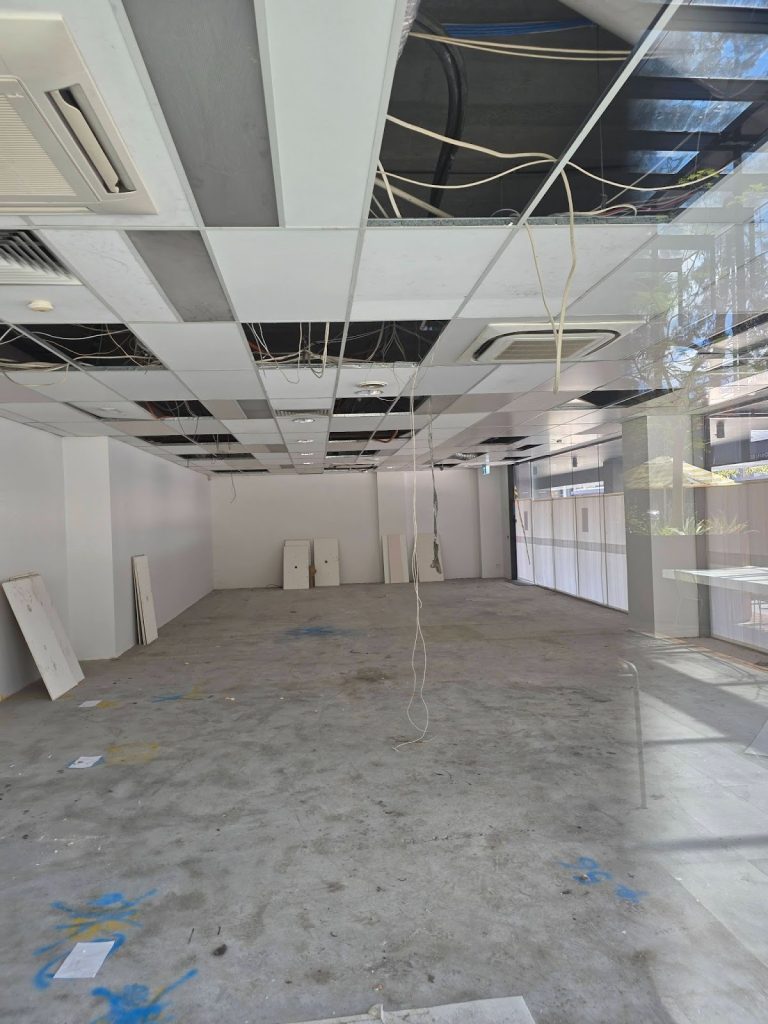
Picture a business owner leaving a small retail tenancy in a Perth shopping precinct. The store began as a bare shell, then went through a full shopfitting phase with custom counters, illuminated signage and vinyl flooring. Because the owner kept a record of every installation, the defit team already knows what sits behind each wall and how everything is fixed in place.
The stripout starts with lighting and signage. Counters are dismantled without damaging the slab. Flooring comes up cleanly because adhesives were chosen with future removal in mind. Repairs are done over two days, and the final clean takes the space right back to handover condition. No disputes. No delays.
Tips for a Smooth Defit and Makegood Project
The easiest projects always start with communication. Builders and business owners who speak with landlords early avoid nasty surprises late in the lease. Documenting the space before and after each change creates a reliable roadmap for the defit. Scheduling trades long before the end date prevents the last minute panic that drives costs through the roof. A checklist becomes your anchor. It keeps everything predictable.
FAQs
What is included in a defit and makegood checklist
It covers assessment, removal of all additions, safe trade disconnections, waste handling, repairs and final presentation.
How long does a business defit take in Perth?
Smaller spaces can be turned around within days, while commercial defit work in larger tenancies may stretch over a week or more depending on complexity.
Do office defits involve electrical approvals?
Yes. Any disconnecting or isolating of electrical systems must be handled by licensed trades familiar with local regulations.
Is warehouse defit more expensive than shop defit
Not always, but warehouse defits often involve heavier fixtures, which can increase labour and repair requirements.
Can one contractor handle both shopfitting and defit work
Yes. Hiring a team that knows both sides of the process usually leads to cleaner execution and lower handover risk.