When planning a new shop or commercial space in Perth, following clear shopfitting guidelines can save time, money, and headaches at handover. From selecting materials to understanding defit obligations, these steps help landlords, shop owners, and commercial tenants avoid costly mistakes and ensure a smooth transition when vacating or upgrading a property.
Why Clear Shopfitting Guidelines Matter for Perth Tenants and Landlords
Perth lease agreements and shopping centre rules often come with strict timelines and handback conditions. Without a clear plan, tenants risk delays, disputes over makegood obligations, and unexpected costs. Local landlords and commercial tenants benefit from a structured approach that considers installation, ongoing use, and eventual defit or makegood requirements.
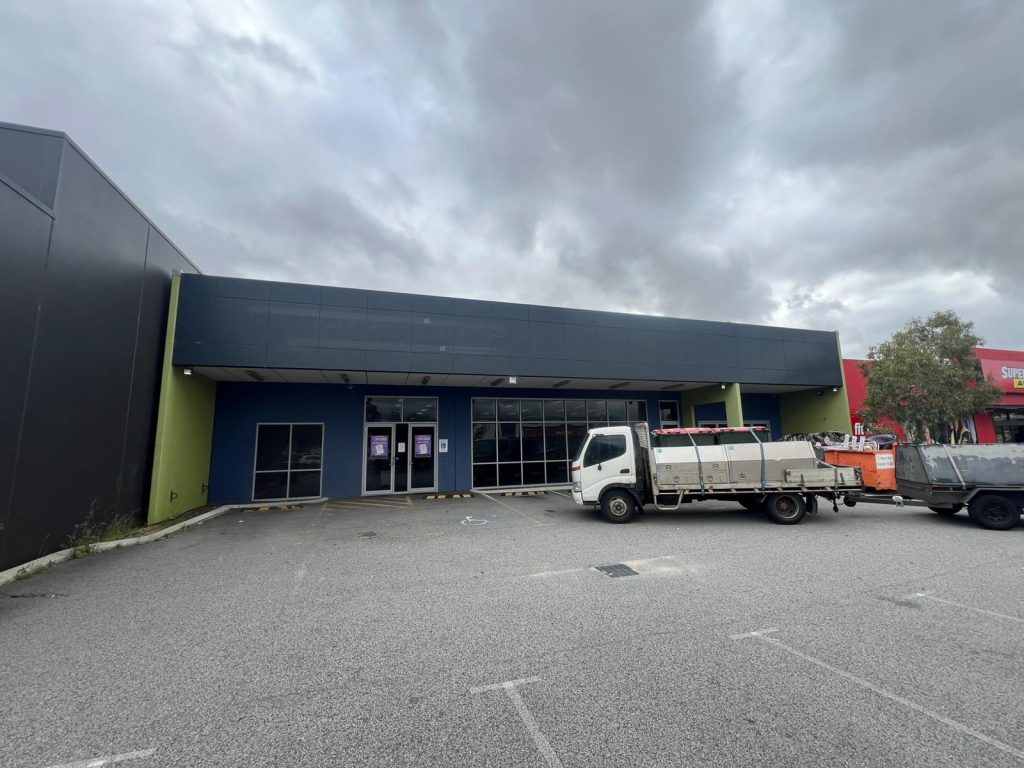
Understanding the Difference Between Shopfitting, Shop Defit, and Makegood
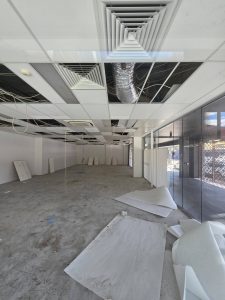
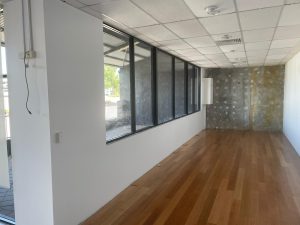
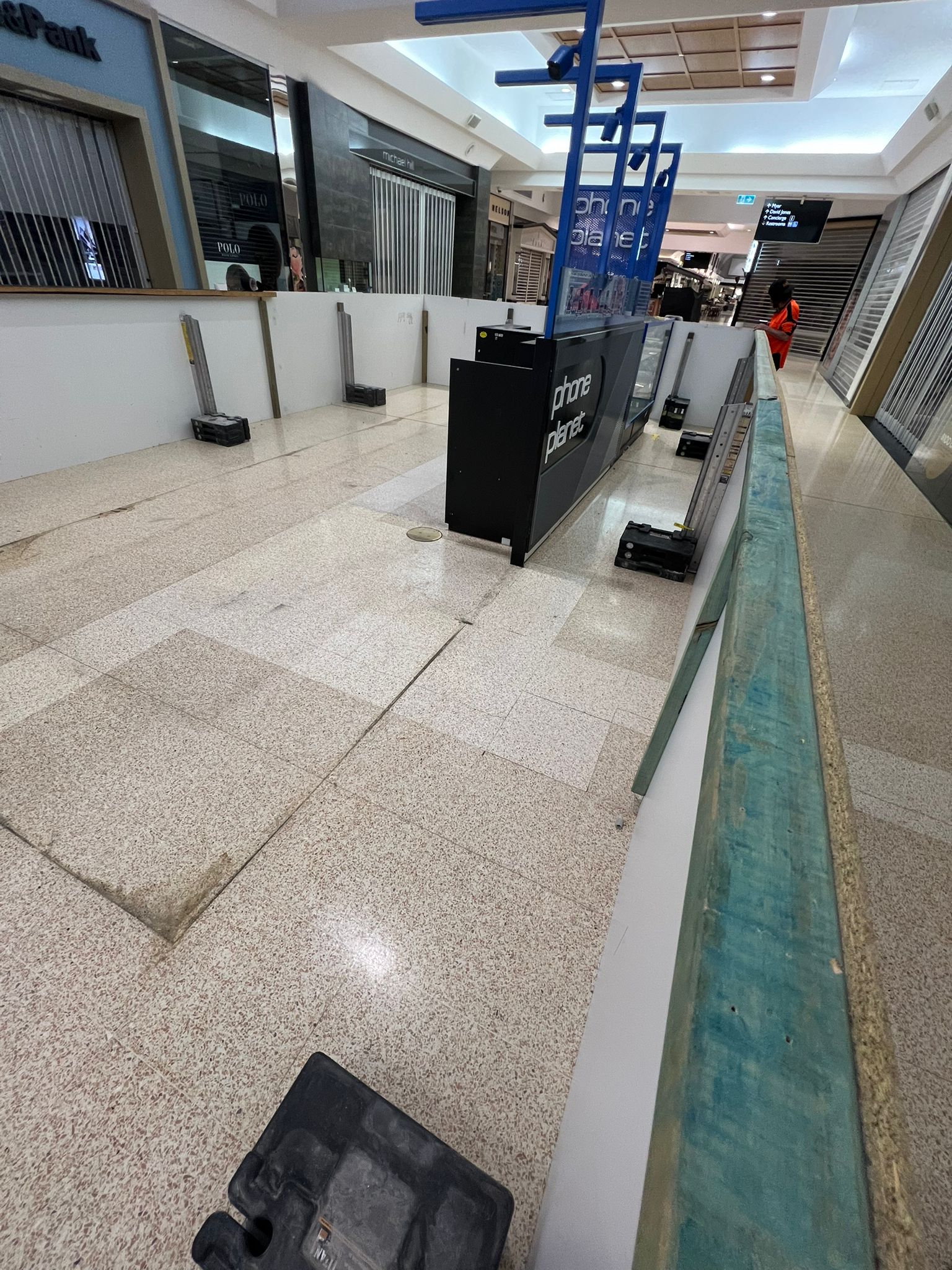
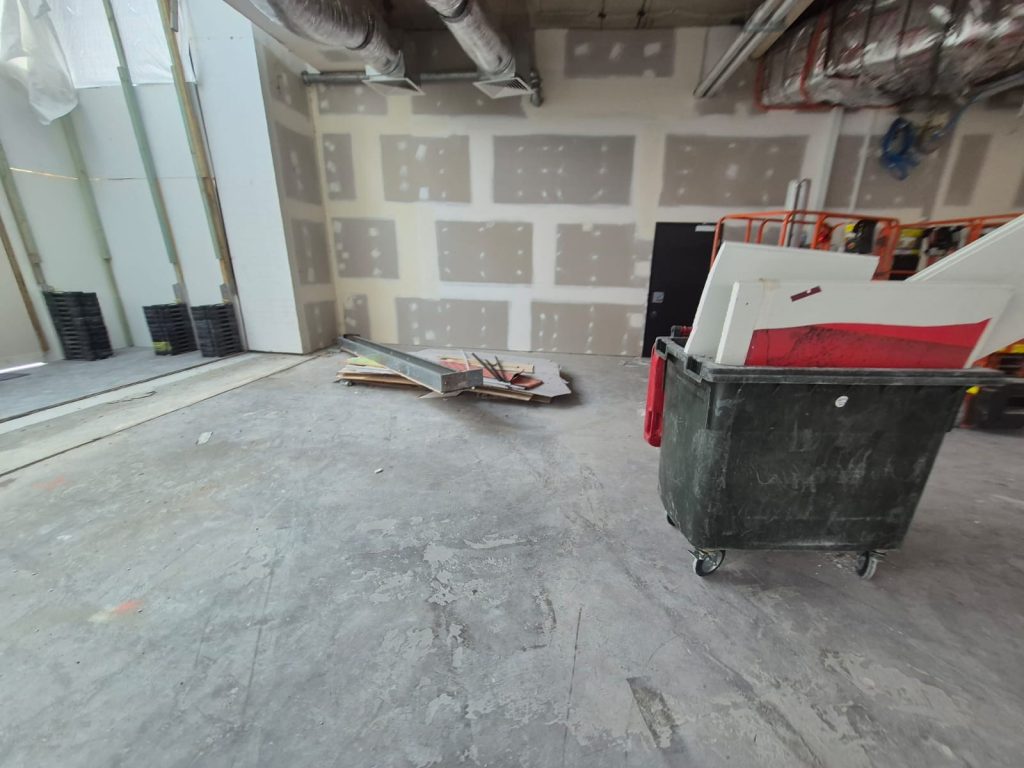
Shopfitting is the process of installing fixtures, services, and partitions to make a space operational. Shop defit involves removing those fittings when the lease ends or when a redesign is required. Makegood restores the property to its original condition, meeting lease and council standards. Understanding these distinctions helps businesses plan better and manage costs effectively.
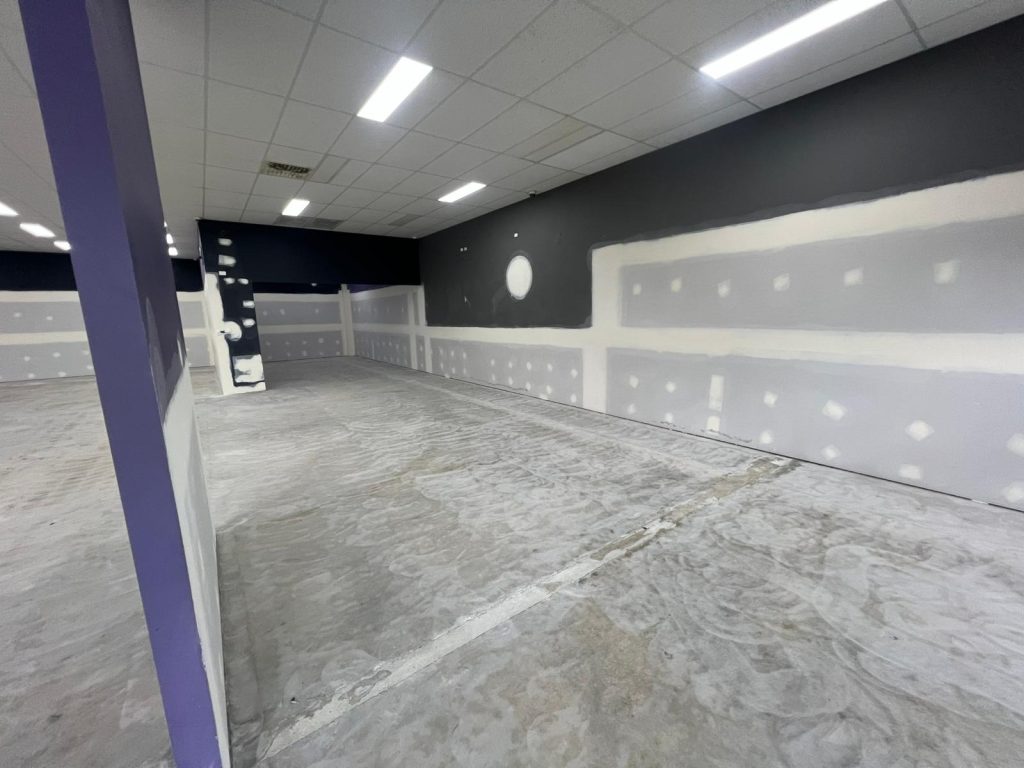
Key Compliance Requirements for Shopfitting Projects in Perth
Commercial fit-outs must follow WA compliance rules. Electrical work requires licensed electricians, waste removal must meet local council regulations, and fire safety installations must align with WA Building Codes. Ignoring these requirements can delay approvals or result in costly rectifications during makegood inspections. Perth tenants should also be aware of shopping centre-specific rules, particularly in the CBD and major malls.
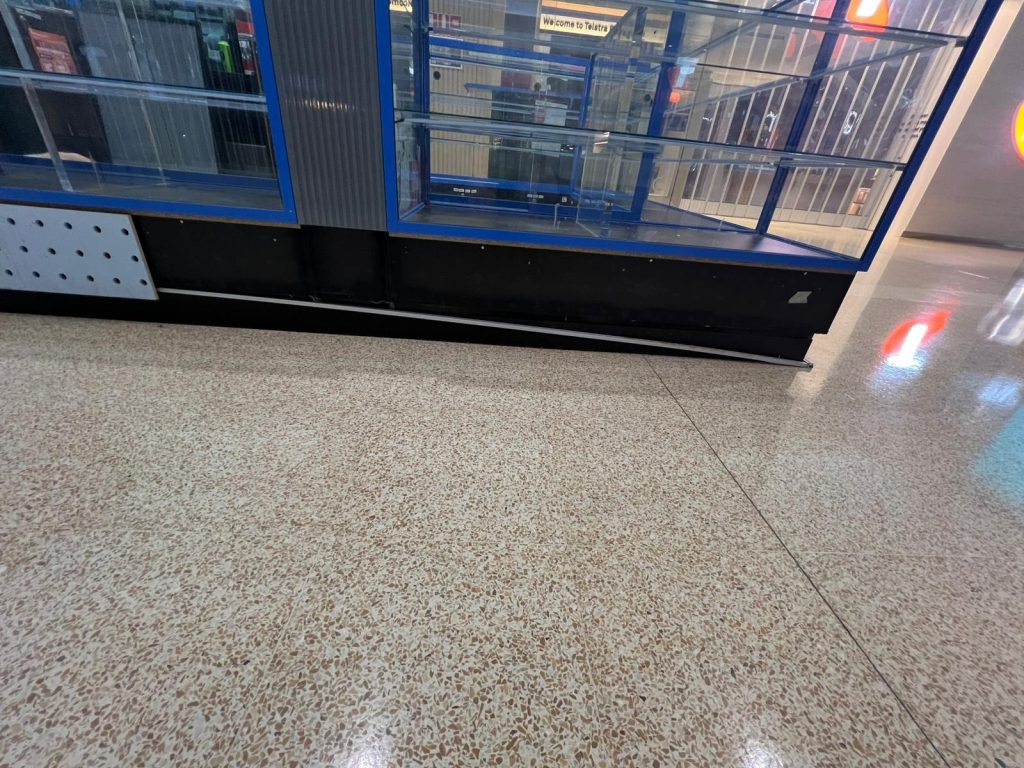
Planning Your Shopfitting Timeline to Avoid Expensive Delays
A well-structured timeline ensures projects stay on track from installation to handover. Typical sequences include design approval, material procurement, construction or installation, inspections, and final handover. Urban sites in Perth CBD often face stricter access windows, whereas suburban retail or warehouse spaces in Welshpool or Osborne Park allow slightly more flexibility. Early coordination with landlords and contractors minimizes surprises.
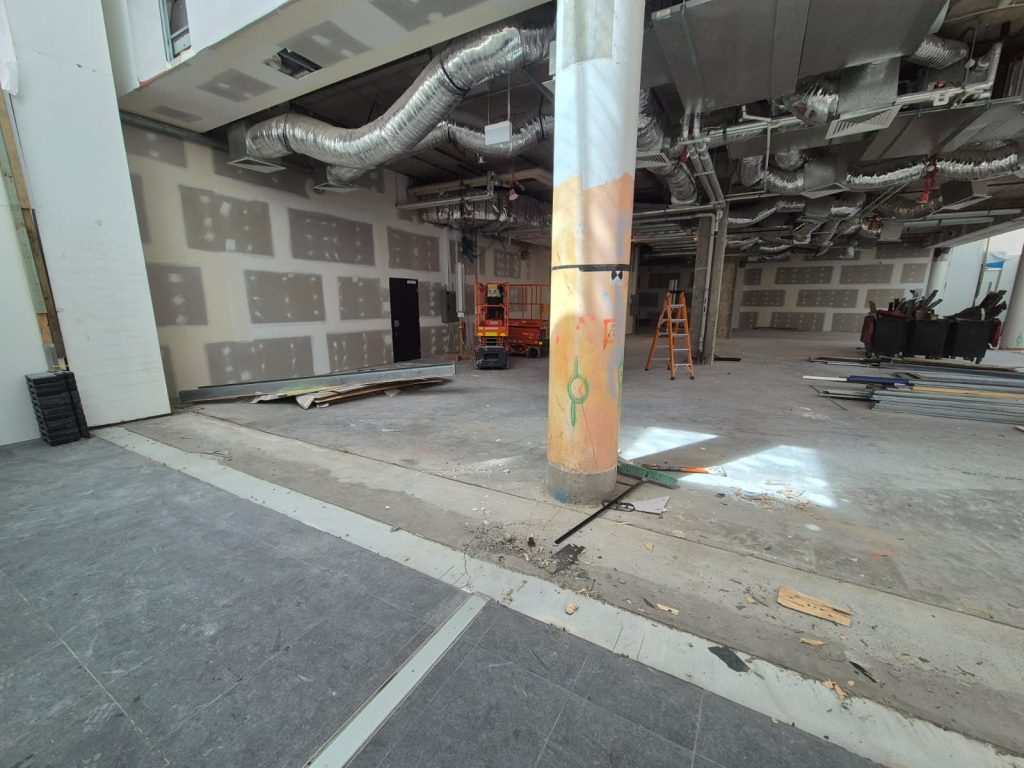
Comparing Shopfitting, Shop Defit, and Makegood in Perth
| Process | Purpose | Typical Timeline | WA Compliance Notes | Cost Consideration |
| Shopfitting | Install fixtures, walls, services | 2–6 weeks | Council approvals, electrical safety | Material & labour choices affect future defit |
| Shop Defit | Strip out fittings and partitions | 1–3 weeks | Waste disposal regulations, asbestos checks | Early planning lowers costs |
| Makegood | Restore property to lease handback condition | 1–2 weeks | Fire safety, flooring, paint standards | Professional contractors reduce dispute risk |
How Shopfitting Choices Affect Your Future Defit and Makegood Costs
Decisions made during shopfitting have long-term implications. Flooring types, wall locations, lighting layouts, and partition materials can increase defit complexity if not planned properly. Using modular or easily removable fixtures, for example, can reduce the time and cost of future shop defit or warehouse defit work.
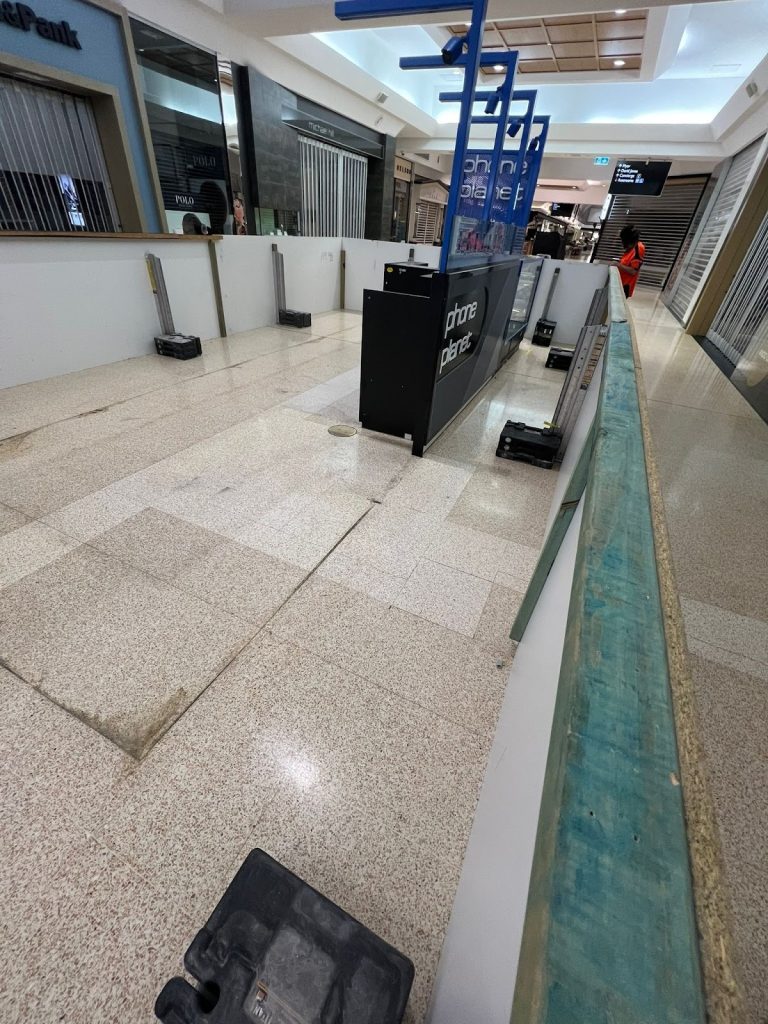
Working With a Defit and Makegood Contractor for a Smooth Handover
Engaging a specialist like Perth Defit early in the process ensures that installation choices consider eventual handback obligations. Experienced contractors manage timelines, handle WA compliance requirements, and reduce disputes with landlords. They also provide practical guidance on temporary removals, waste management, and restoration, making the final inspection straightforward.
Perth Case Example: How Shopfitting Decisions Set Up a Cleaner Makegood
A Perth retail tenant in Morley followed careful shopfitting guidelines, choosing modular partitions and locally sourced flooring. When their lease ended, shop defit and makegood were completed in just two weeks without landlord disputes. Early planning minimized costs and ensured all WA compliance requirements were met, highlighting how foresight saves time and money.
Frequently Asked Questions About Shopfitting Guidelines in Perth
Do I need council approval for shopfitting in Perth?
Most commercial fit-outs require compliance checks, particularly for electrical, plumbing, and structural modifications. Council approval is typically needed for significant alterations.
How long does a shop defit take in Perth?
Timeline varies by size and complexity, but most retail defits take one to three weeks. Warehouse or office defits may differ depending on layout and fixtures.
What does makegood involve in a Perth lease?
Makegood usually includes wall repair, flooring restoration, painting, fire safety checks, and removal of tenant-installed fixtures to meet lease handback conditions.
Can shopfitting choices reduce makegood costs?Yes. Selecting modular, reusable, or easy-to-remove materials simplifies future defit and makegood work, saving time and labour costs.