Stripout vs demolition is one of the most misunderstood distinctions in commercial projects. They often get used interchangeably, but they serve very different purposes. For landlords, tenants, and business owners, knowing the difference can save time, reduce costs, and prevent compliance issues during lease exit or refurbishment.
Whether you’re planning a defit and makegood or preparing for a new shopfitting project, understanding how stripout vs demolition applies to your tenancy helps you scope the work correctly from the start.
Stripout vs Demolition: A Simple Breakdown
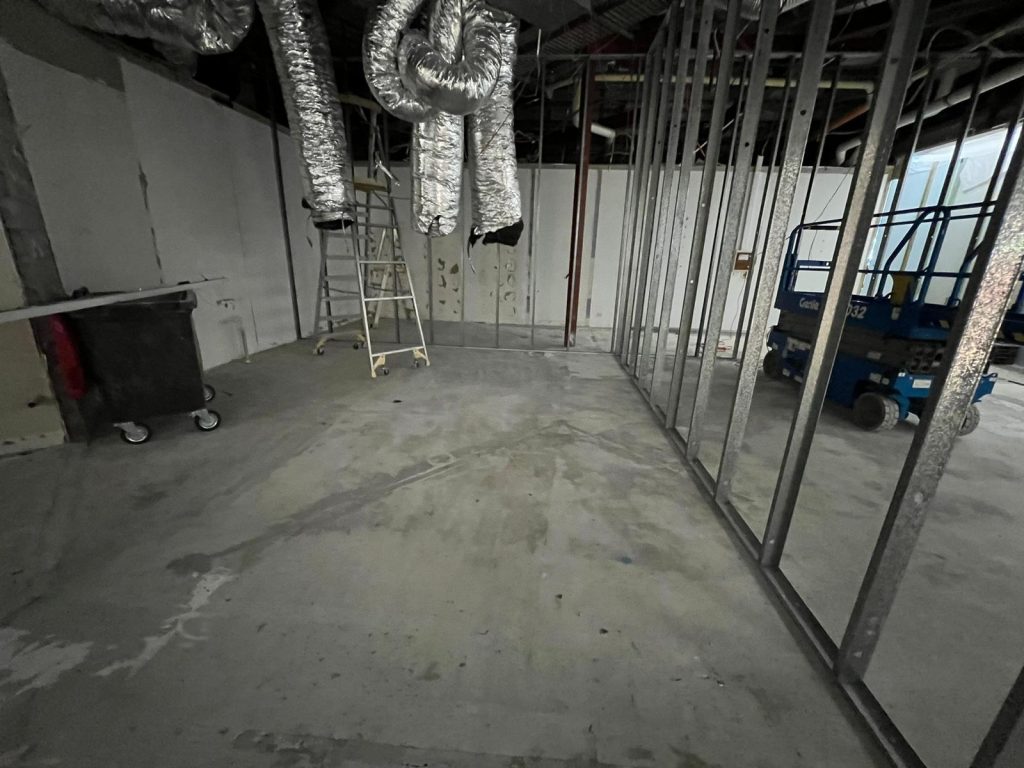
Stripout focuses on removing non-structural elements inside a commercial space. Demolition involves removing structural components or altering the building itself.
In practical terms, stripout is about fitout removal. Demolition is about changing the structure.
Getting this wrong can lead to unnecessary approvals, higher costs, and delays.
What Stripout Involves in Commercial Spaces
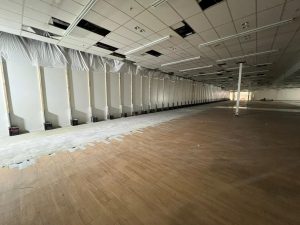
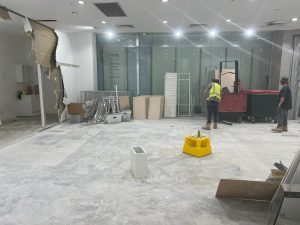
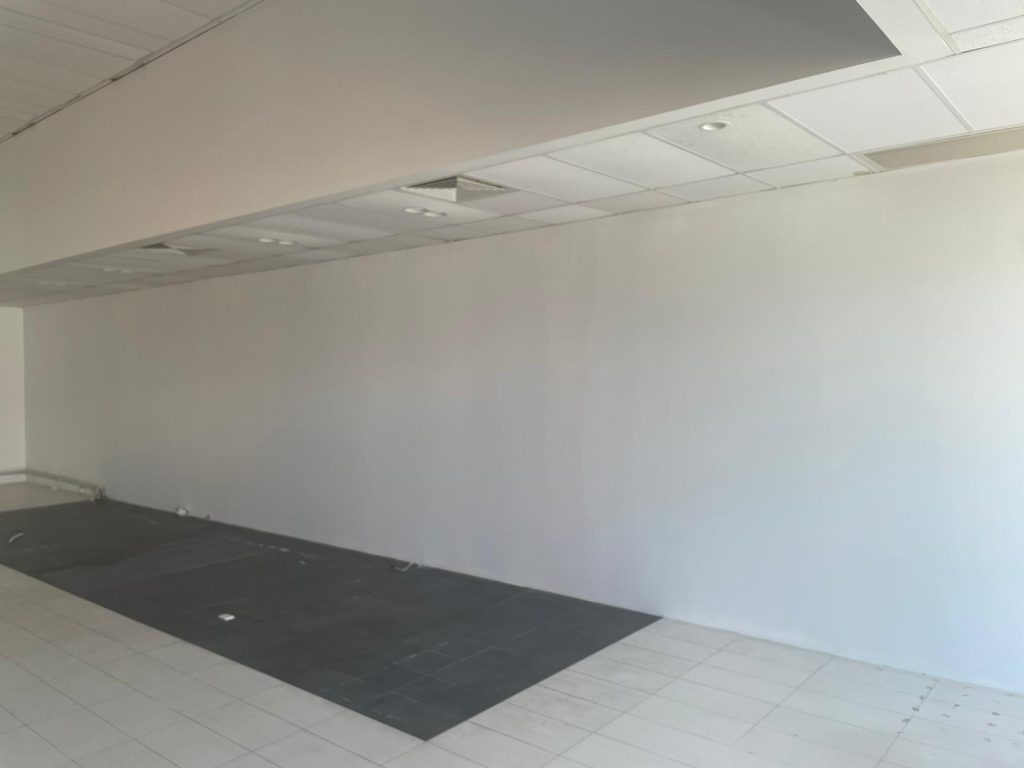
Stripout works are typically part of defit and makegood obligations at the end of a lease. The goal is to remove everything the tenant installed while leaving the base building intact.
This includes partitions, ceilings, flooring, joinery, signage, and shopfitting elements. Electrical and data systems added during the tenancy are also disconnected or removed as part of fitout removal.
Stripout is controlled, precise, and designed to prepare the space for handover or a new fitout.
What Demolition Actually Covers
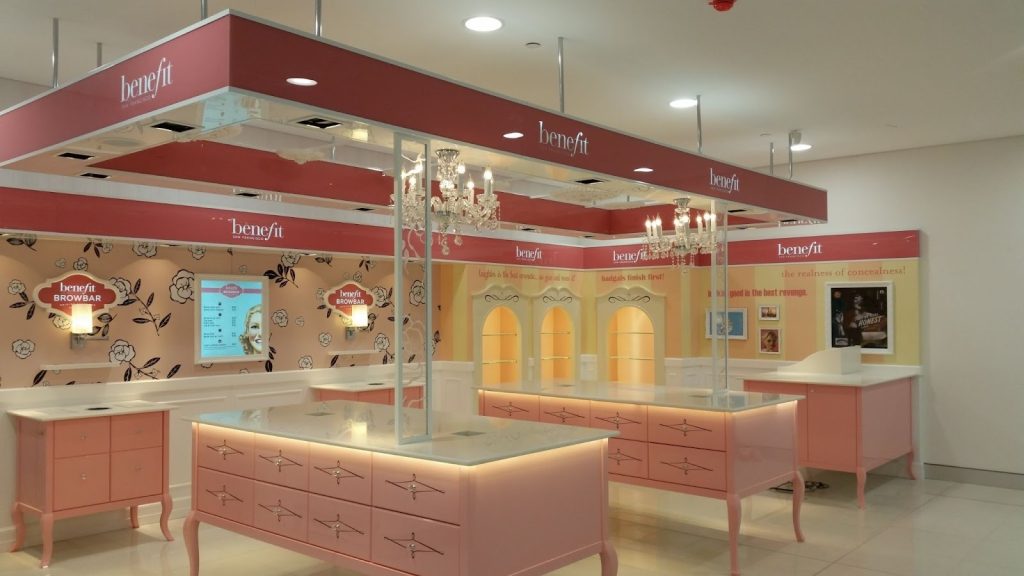
Demolition goes further. It involves removing structural or fixed building elements such as concrete walls, slabs, structural beams, or permanent modifications to the base building.
This type of work requires stricter approvals, engineering oversight, and more complex safety planning. It may also involve heavy machinery and extended timelines.
In commercial tenancies, demolition is less common unless major redevelopment or structural changes are required.
Where Defit and Makegood Fit In
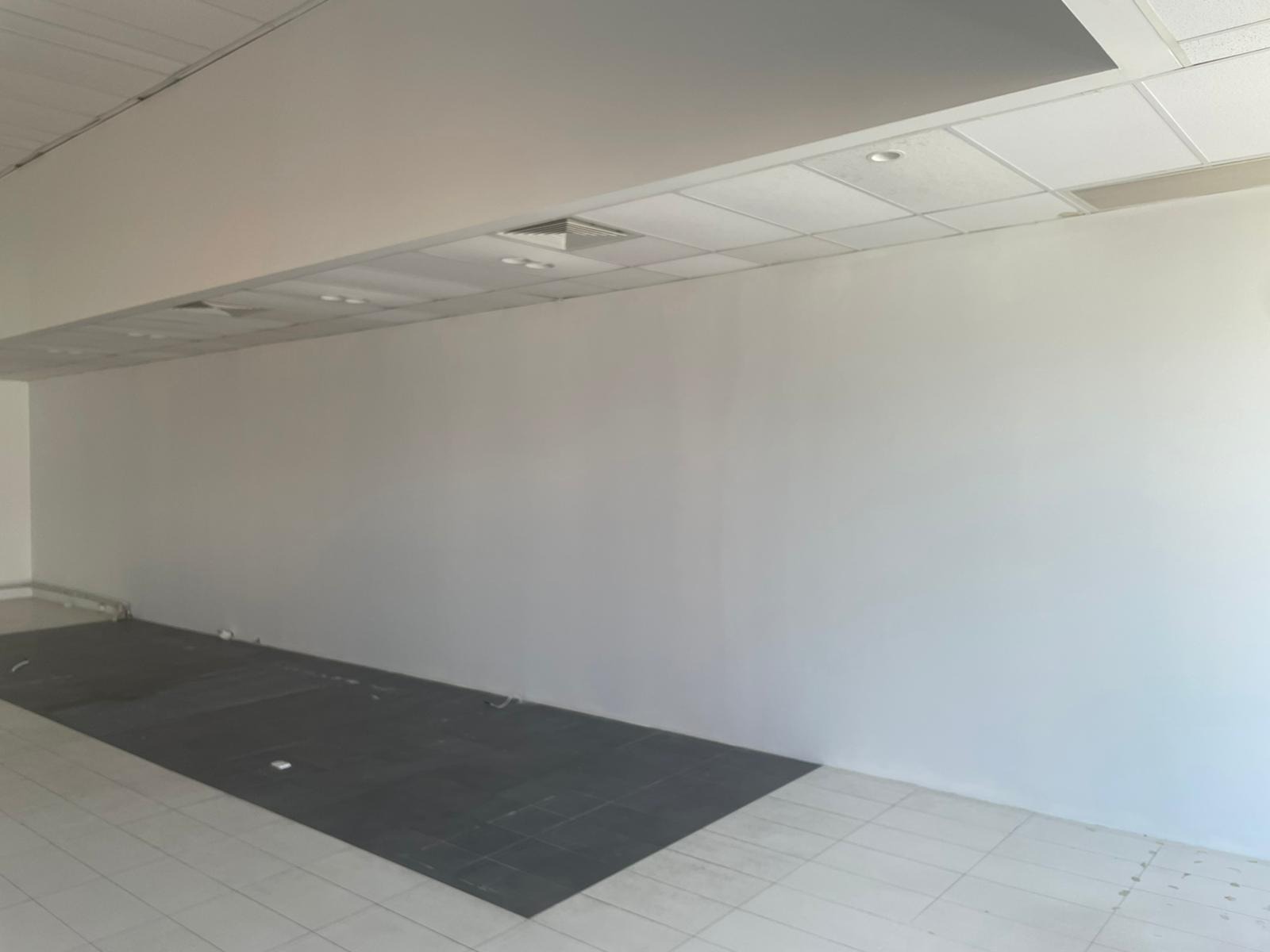
Defit and makegood projects almost always involve stripout, not demolition. The purpose is to return the premises to the condition required in the lease without altering the building’s core structure.
For example, removing a retail shopfitting installation, restoring walls, and repainting surfaces falls under stripout and makegood. Breaking concrete slabs or removing structural walls moves into demolition territory.
Understanding this boundary is critical for compliance and cost control.
Cost Differences Between Stripout and Demolition
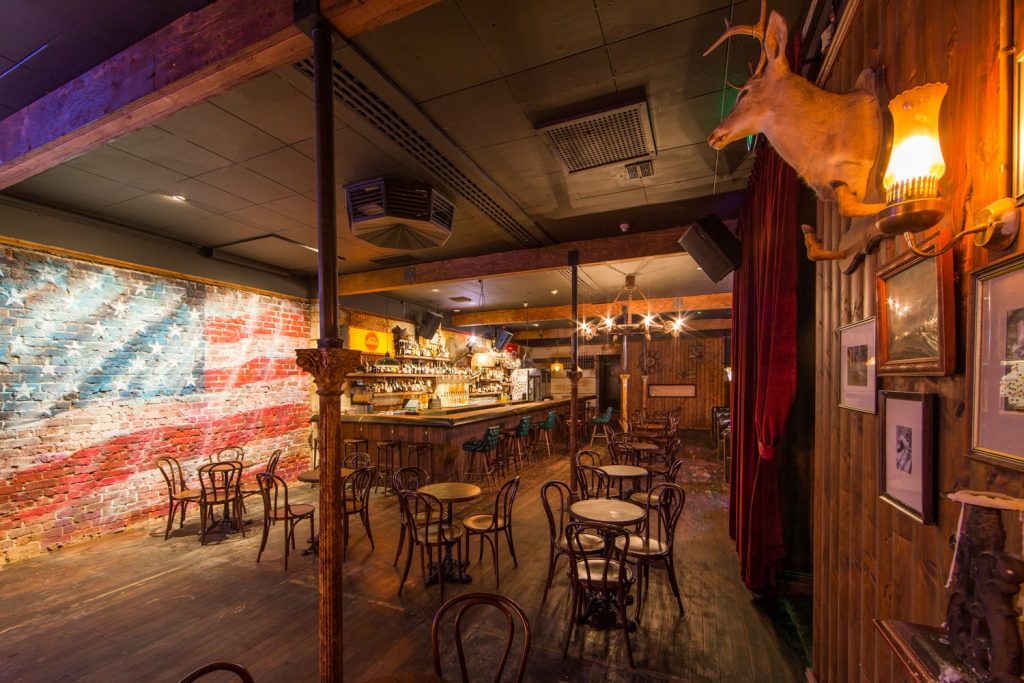
Stripout is generally more cost-effective because it focuses on internal elements and controlled removal. Labour is more detailed but less heavy-duty.
Demolition tends to be more expensive due to equipment, permits, engineering requirements, and disposal of heavier materials. The risk profile is also higher, which can increase insurance and compliance costs.
For most tenants, choosing the correct scope between stripout vs demolition directly impacts the final project budget.
Approval and Compliance Requirements
Stripout projects still require approval from building managers, especially in offices and retail centres. Documentation usually includes scope of work, contractor details, and safety procedures.
Demolition requires a higher level of approval. This may include engineering reports, council permits, and stricter compliance with building regulations.
Misclassifying a project can delay approvals or stop work entirely.
The Role of Debris Insurance
Both stripout and demolition generate waste, but demolition typically produces heavier and more hazardous debris.
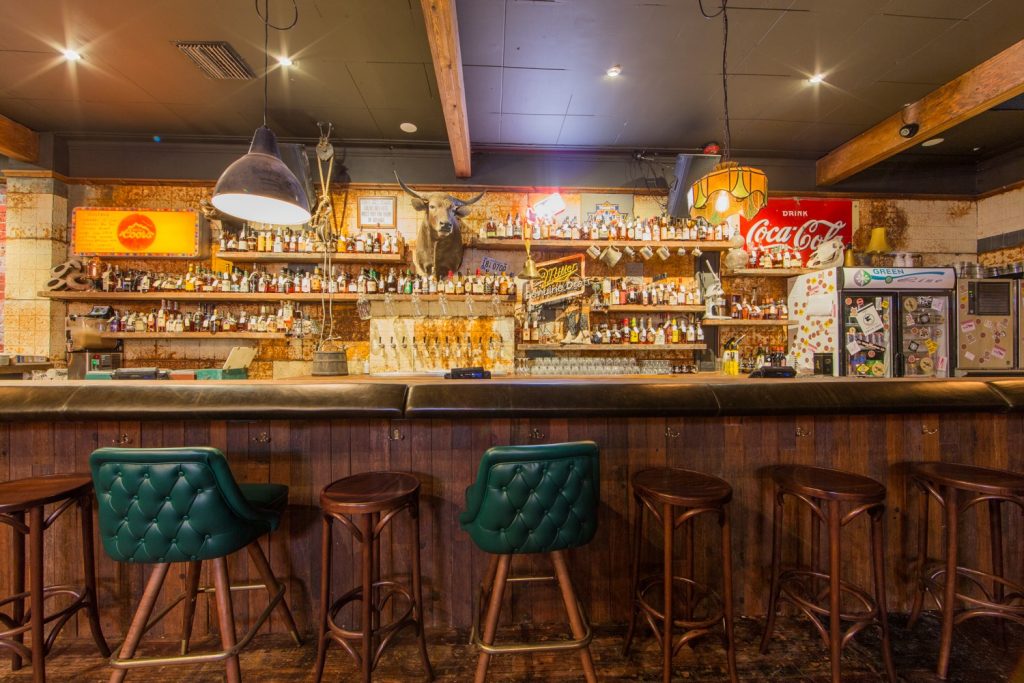
Debris insurance may be required to cover risks associated with falling materials or accidental damage during removal. In larger projects, especially those involving demolition, this becomes more important.
Even in standard fitout removal, having the right insurance in place protects tenants, landlords, and contractors from unexpected liabilities.
How Shopfitting Affects the Scope of Work
The way a space was originally built plays a big role in determining whether stripout is enough or if demolition is required.
Simple shopfitting installations like modular shelving and lightweight partitions are easy to remove through stripout. More complex installations, such as tiled walls, built-in counters, or structures fixed into concrete, may push parts of the project closer to demolition.
This is why early assessment is critical before starting any defit and makegood work.
Common Mistakes When Choosing Between Stripout and Demolition
One of the biggest mistakes is assuming all removal work is demolition. This often leads to over-scoped projects, unnecessary permits, and inflated costs.
Another issue is underestimating the complexity of fitout removal. Some tenants begin a stripout only to discover hidden structural modifications or service integrations that complicate the process.
Clear planning and professional assessment prevent these problems before work begins.
Why the Right Approach Matters for Lease Handover
At the end of a lease, the goal is compliance with makegood requirements. In most cases, stripout is sufficient to meet these obligations.
Using demolition when it is not required can damage the base building and create additional repair work. On the other hand, incomplete stripout can lead to failed inspections and delays in bond return.
Choosing the correct approach ensures a smooth transition between tenants and protects all parties involved.
Frequently Asked Questions About Stripout vs Demolition
Is stripout the same as demolition?
No. Stripout removes non-structural elements, while demolition involves structural changes to the building.
Do commercial tenants usually need demolition?
Most tenants only require stripout as part of defit and makegood obligations.
Does fitout removal include electrical and data systems?
Yes. These are typically disconnected or removed during stripout works.
When is debris insurance required?
It is often required in higher-risk projects, especially where heavy materials or demolition is involved.
Can shopfitting removal turn into demolition?
Yes. If installations are deeply integrated into the structure, parts of the project may require demolition-level work.