Defit regulations in Perth are often overlooked until a lease ends or a renovation begins. At that point, landlords, tenants, and business owners quickly realise that a stripout involves more than simply removing partitions or dismantling shopfitting. It must follow safety standards, waste management rules, and building compliance requirements.
For those new to the process, understanding defit regulations in Perth helps avoid delays, compliance issues, and unexpected costs. Whether the project involves a small office stripout or a full commercial fitout removal, regulatory awareness ensures the work is completed safely and approved by property managers and building owners.
Why Defit Work Is Regulated
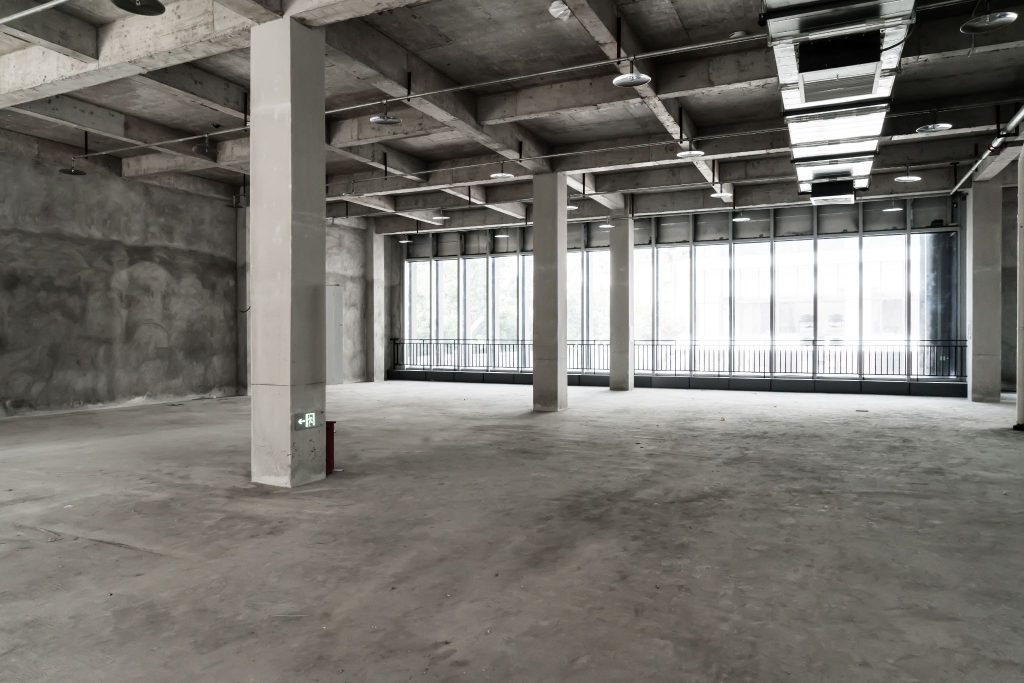
Commercial defit projects involve dismantling built structures, disconnecting services, and removing materials from active buildings. These activities can affect fire systems, electrical safety, structural elements, and public access areas.
Defit regulations in Perth exist to ensure that stripout work does not compromise building safety or create hazards for neighbouring tenants. Compliance also protects landlords and tenants from legal liability if damage or injury occurs during the project.
Most regulations apply to three key areas: safety management, waste disposal, and service disconnection.
Building Approval and Property Manager Requirements
Before a defit or stripout begins, building management usually requires documentation outlining the planned scope of work. This is especially common in multi-tenant commercial buildings and retail centres.
Approval requirements may include work method statements, contractor insurance certificates, access schedules, and confirmation of how the fitout removal will be carried out. These steps ensure the building owner understands how the project will affect shared infrastructure such as lifts, loading docks, or fire systems.
Failure to secure approval can delay the project or prevent contractors from starting work.
Safety Compliance During Stripout Projects
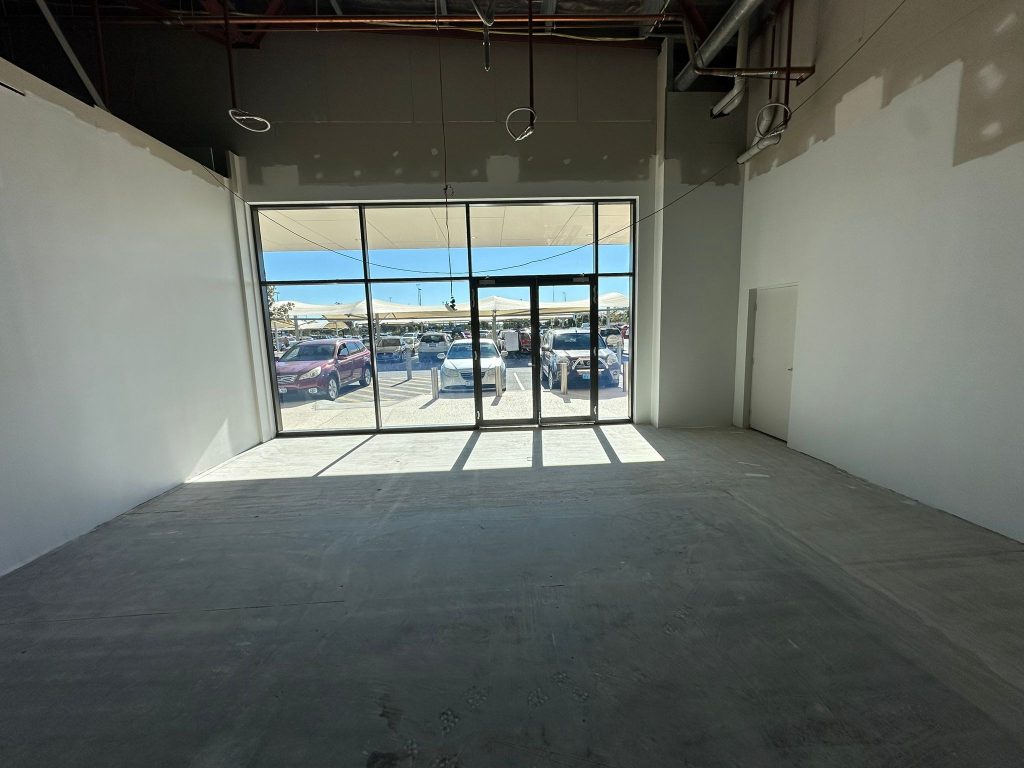
Safety compliance is a central part of defit regulations in Perth. Contractors performing stripout work must follow workplace safety guidelines to protect workers and building occupants.
This often includes controlled demolition procedures, dust containment, safe handling of electrical disconnections, and proper use of personal protective equipment. In larger defit and makegood projects, access zones and signage may also be required to prevent public exposure to work areas.
Professional contractors typically manage these obligations as part of the project planning process.
Managing Services During Fitout Removal
Commercial fitouts usually modify electrical, plumbing, and mechanical systems. When these systems are removed or disconnected during a defit, the work must be performed by qualified professionals.
Electricians may need to isolate circuits connected to the shopfitting. HVAC specialists may rebalance air systems after partitions are removed. Plumbing adjustments may be required if kitchens or bathrooms were added during the tenancy.
Proper documentation ensures the base building systems remain functional once the stripout is complete.
Waste Handling and Environmental Responsibilities
Stripout projects generate large volumes of waste materials including plasterboard, metal framing, timber joinery, glass, and cabling. Perth waste regulations require responsible disposal and recycling wherever possible.
Licensed contractors often separate materials for recycling and ensure disposal occurs at approved facilities. This process supports environmental compliance and prevents building owners from facing penalties related to improper waste handling.
Responsible waste management is now a standard expectation in professional defit and makegood projects.
Insurance Requirements for Defit Projects
Insurance coverage is another important component of defit regulations in Perth. Contractors typically provide public liability insurance and workers compensation coverage before beginning work.
In some projects, debris insurance may also be required to protect the building from damage caused by falling materials or removal activities. Property managers often request these documents as part of the approval process to reduce risk during stripout operations.
Ensuring the right insurance coverage is in place protects both tenants and landlords throughout the project.
Shopfitting Removal in Retail Spaces
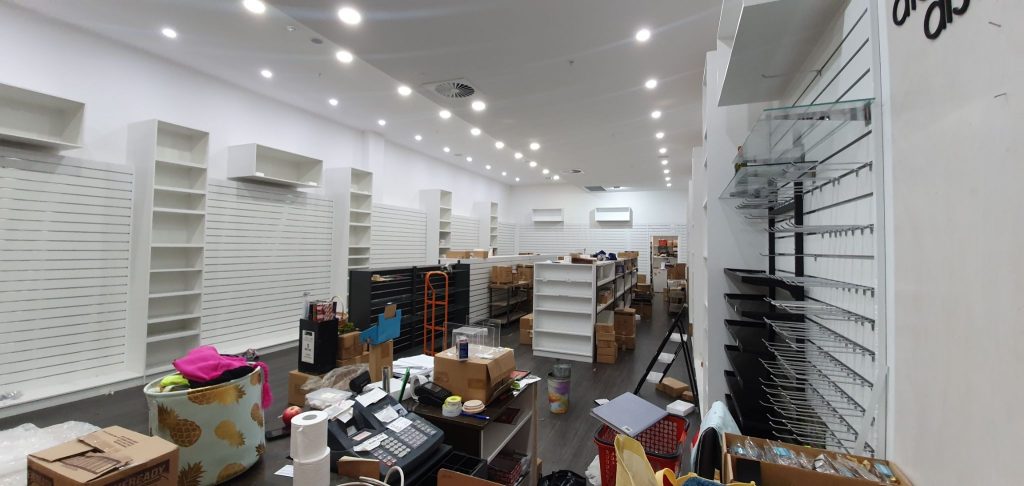
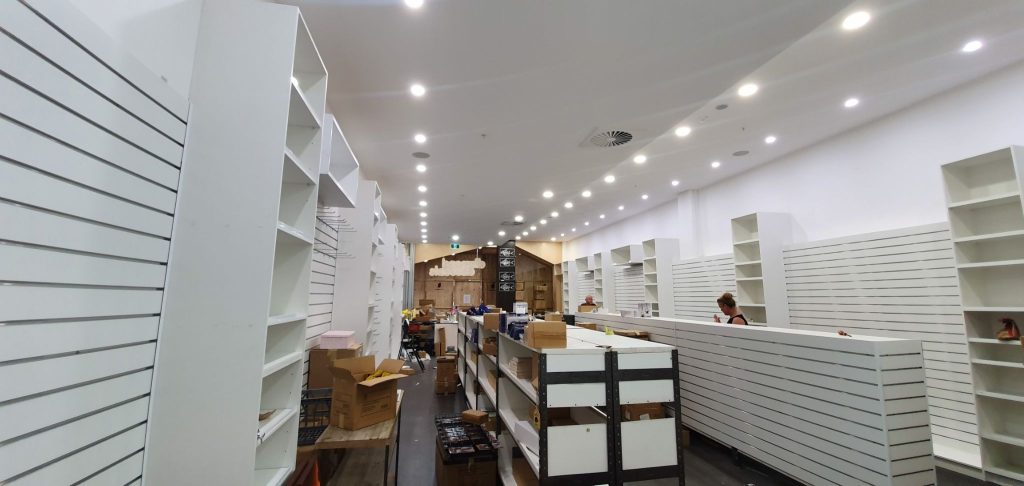
Retail environments often contain complex shopfitting elements such as custom counters, display structures, integrated lighting, and branded walls. Removing these components requires careful planning to prevent damage to the building’s structure or shared services.
Shopping centres and retail complexes frequently impose additional requirements, including after-hours work schedules and strict waste removal procedures. These rules help minimise disruption to other businesses operating within the same space.
Because of these constraints, retail stripout projects often require detailed scheduling and coordination.
Defit and Makegood Compliance for Lease Handover
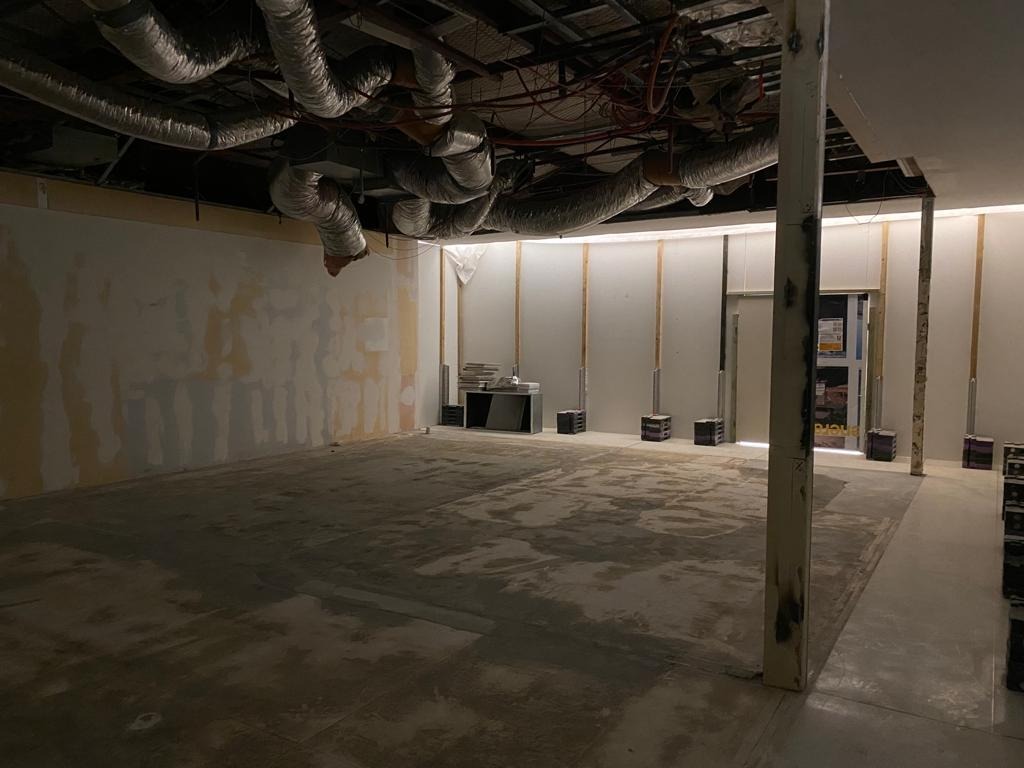
In many commercial leases, tenants must complete defit and makegood works before returning the premises to the landlord. The completed stripout must align with the lease agreement and any building standards set by the property owner.
Final inspections typically confirm that fitout removal has been completed correctly, surfaces have been restored, and the premises are ready for the next tenant. Meeting these expectations ensures the smooth return of security bonds and avoids disputes during lease exit.
Understanding defit regulations in Perth helps tenants approach this process with clarity and preparation.
Why Professional Defit Contractors Matter
Defit projects may look simple at first glance, but regulatory compliance, safety management, and building coordination quickly add complexity. Experienced contractors understand the regulatory environment and manage approvals, waste disposal, and service disconnections efficiently.
For landlords and tenants, working with specialists reduces risk and ensures stripout work meets both lease obligations and building requirements.
Frequently Asked Questions About Defit Regulations in Perth
Do I need approval before starting a defit project in Perth?
Yes. Most commercial buildings require approval from the property manager before any stripout or fitout removal work begins.
Who is responsible for defit and makegood works at the end of a lease?
Responsibility usually falls on the tenant unless the lease agreement specifies otherwise.
Are there safety requirements during stripout work?
Yes. Contractors must follow workplace safety standards and implement protective measures for workers and building occupants.
What happens to waste materials from shopfitting removal?
Waste must be disposed of responsibly, with many materials separated and recycled through approved facilities.
Is insurance required for commercial defit projects?
Most buildings require contractors to provide public liability insurance and other coverage before work can begin.