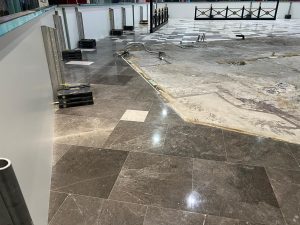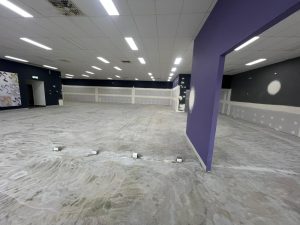
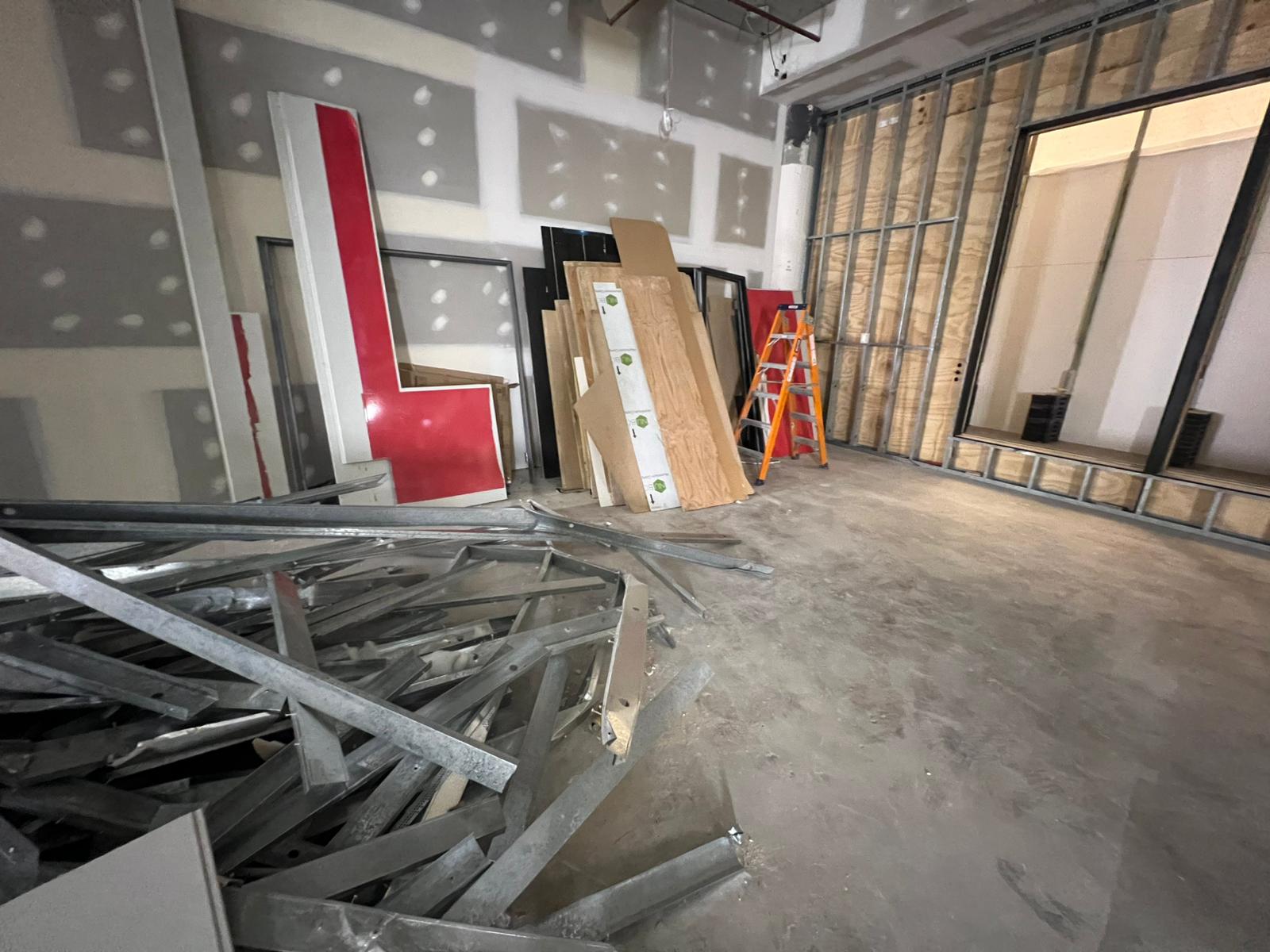
Demolition and defit are often treated as the same thing in commercial projects across Perth. They are not. Confusing the two regularly leads to blown budgets, delayed handovers, and disputes between landlords and tenants. Understanding how demolition and defit differ is essential for anyone planning a fitout, shopfitting project, or lease exit involving defit and makegood services.
This article explains what separates demolition and defit, when each applies, and how early decisions quietly determine which path your project ends up on.
Why Demolition and Defit Are Not the Same Thing
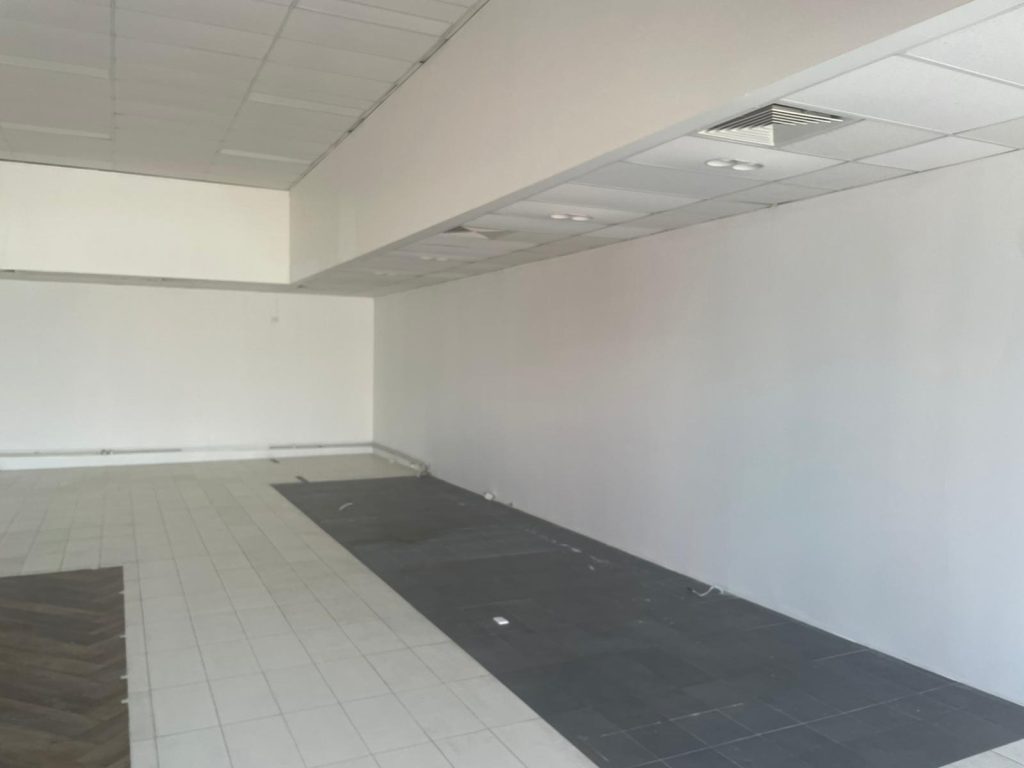
Demolition and defit serve completely different purposes. Defit focuses on removing tenant-installed elements while protecting the base building. Demolition involves structural or permanent removal that changes the building itself. In Perth commercial leases, most tenants are required to defit, not demolish. Problems start when installations cross the line from removable to structural.
What Defit Involves in Commercial Properties
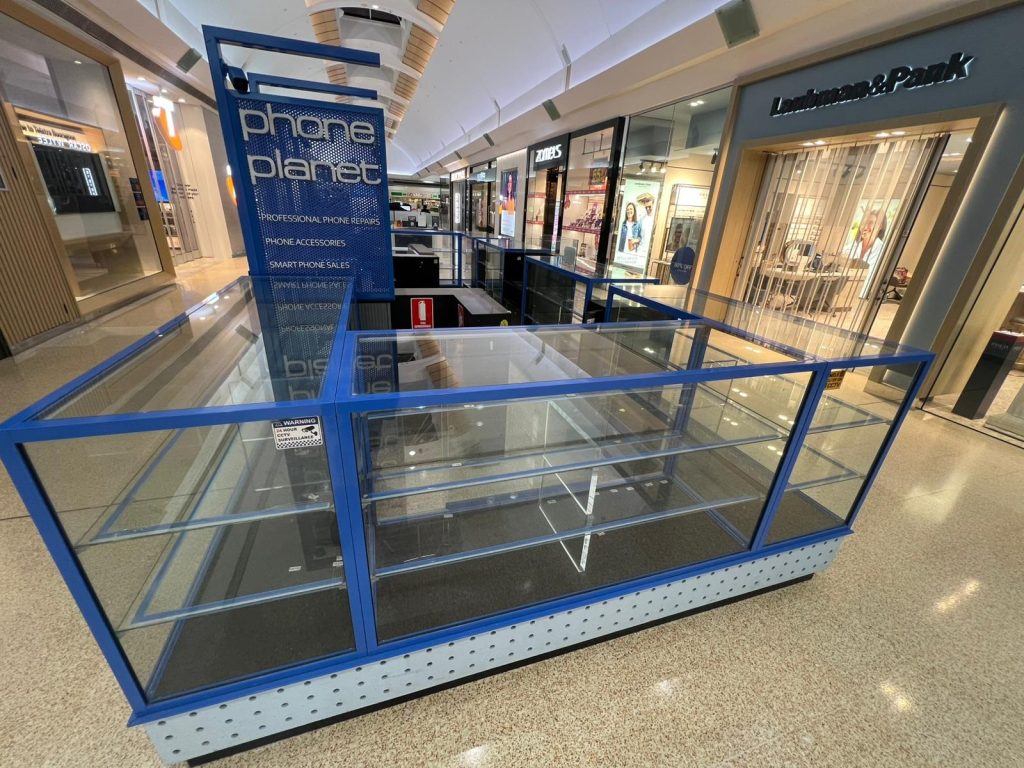
Defit work removes everything added during occupation without damaging the underlying structure. Office defit usually includes partitions, ceilings, lighting, data cabling, and floor finishes. Shop defit often involves joinery, counters, signage, shopfront alterations, and services installed during shopfitting. Warehouse defit may include racking, mezzanines, and surface-mounted services. Defit and makegood services aim to return the space to lease-compliant condition, not strip it back beyond what the landlord requires.
What Counts as Demolition in a Commercial Setting
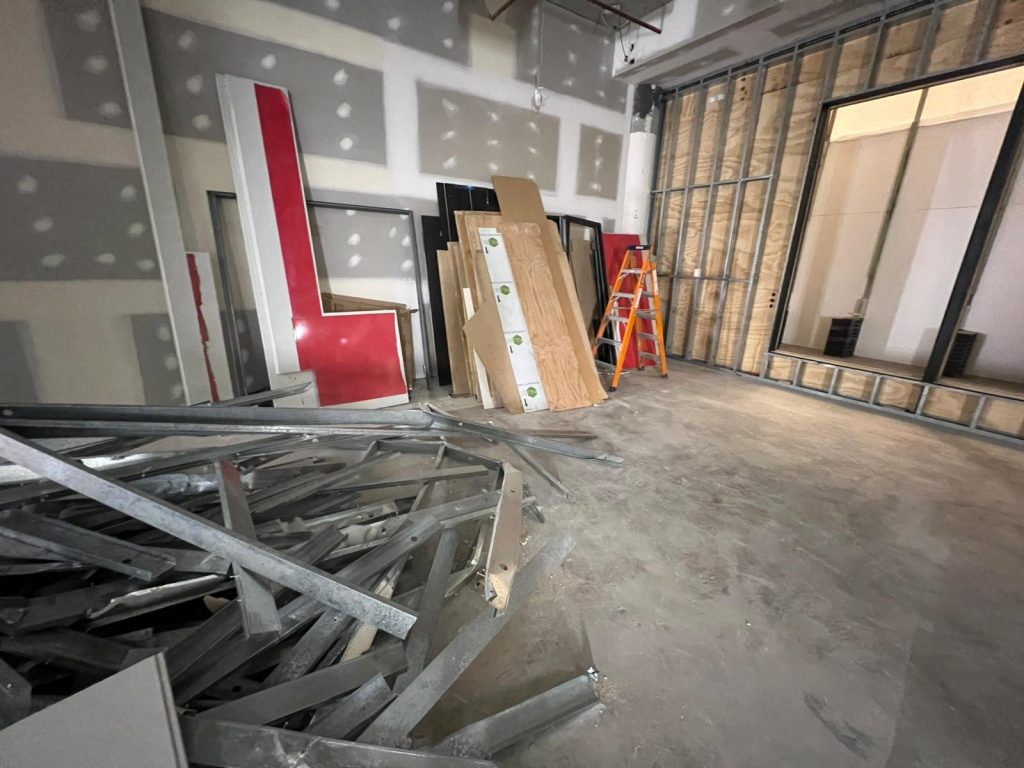
Demolition services apply when structural or semi-permanent elements must be removed. This includes concrete plinths, structural walls, fixed mezzanines, slab penetrations, and major building modifications. Demolition carries higher risk, stricter compliance, and often requires approvals that defit does not. In Perth, demolition work is more common in warehouses and hospitality venues than standard retail or office spaces.
How Fitout and Shopfitting Decisions Determine Defit or Demolition Later
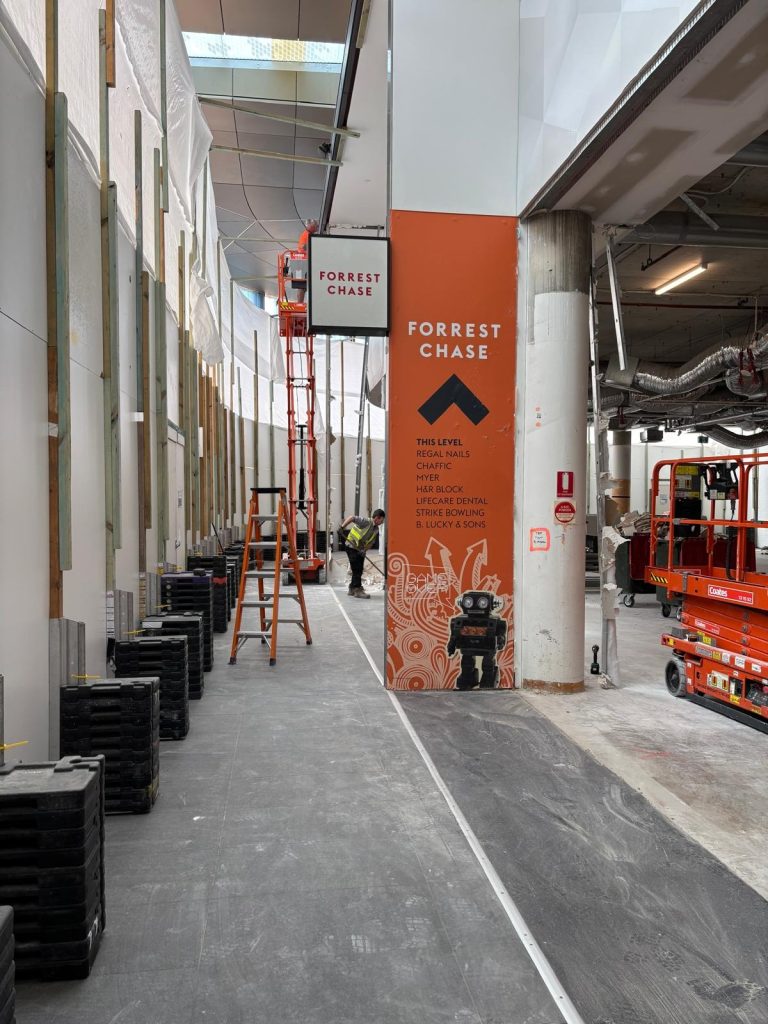
Many demolition projects begin as poorly planned fitouts. Cutting into slabs, hard-fixing joinery, or permanently altering walls during shopfitting can force demolition services at lease end. Fitout decisions made without an exit strategy often remove the option of a simple defit. Understanding demolition and defit at the planning stage keeps future obligations manageable.
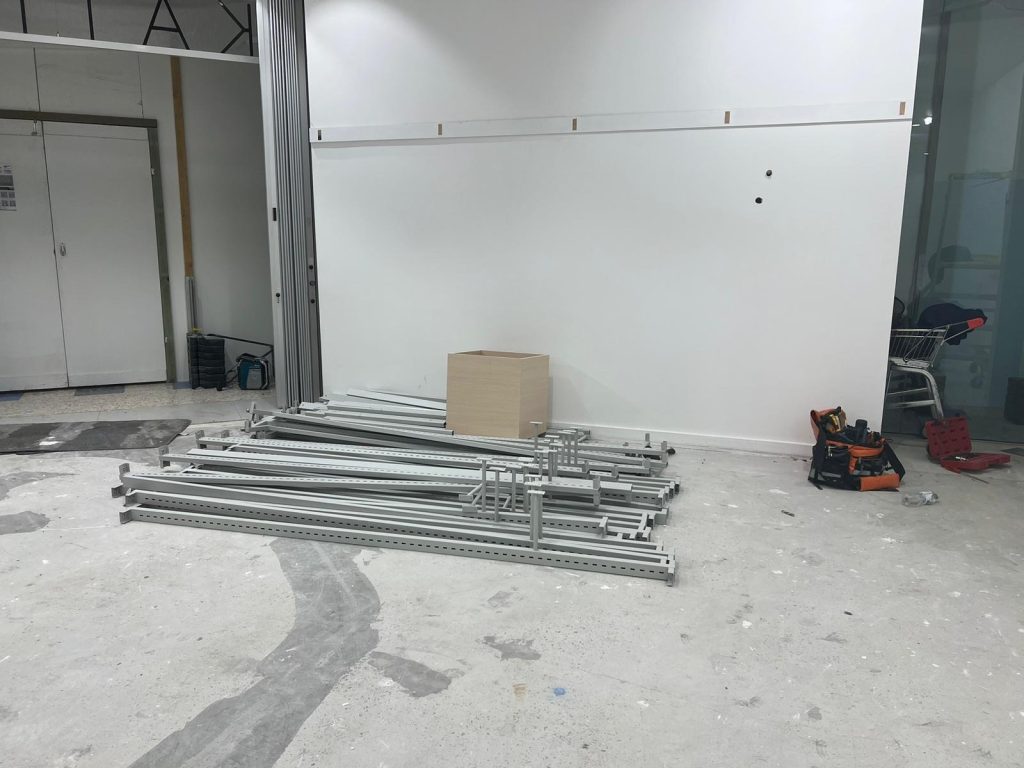
Demolition vs Defit Across Office, Retail, and Warehouse Sites in Perth
| Property Type | Defit Scope | When Demolition Is Triggered | Cost Pressure |
| Office | Partitions, ceilings, services | Structural wall changes or slab works | Medium |
| Retail | Joinery, shopfronts, signage | Permanent shopfront or floor alterations | High |
| Warehouse | Racking, services, mezzanines | Fixed platforms or structural additions | Variable |
This comparison shows why demolition and defit must be assessed by property type rather than assumed.

When Defit Turns Into Demolition
Defit becomes demolition when removals affect the structure or base building. Common triggers include undocumented alterations, fixed concrete installations, and changes made without landlord approval. Once demolition services are required, timelines extend, costs rise, and compliance scrutiny increases. Perth landlords typically expect tenants to avoid this scenario unless explicitly approved.
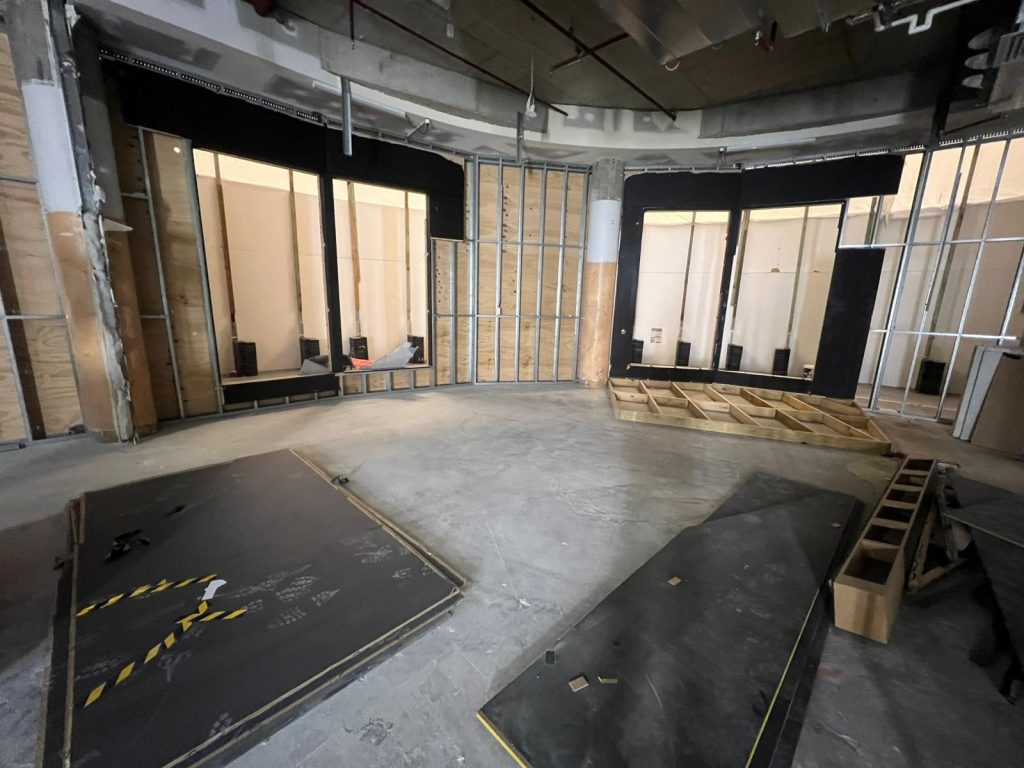
Lease Obligations That Influence Demolition and Defit in Perth
Commercial leases in Perth often define base build conditions in detail. Some require return to original handover state, others allow partial retention of improvements. The lease determines whether defit is sufficient or demolition is required. Understanding demolition and defit means reading these clauses early, not at lease expiry.
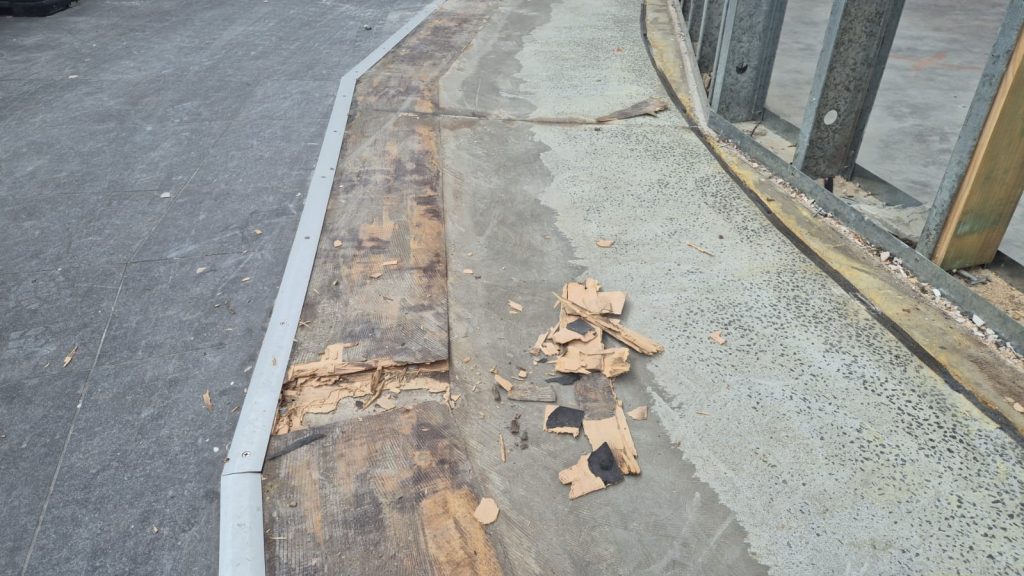
The Role of Defit and Makegood Services in Managing Both
Defit and makegood services sit between fitout installation and full demolition. A specialist assesses what can be removed safely, what must remain, and where demolition services are unavoidable. Perth Defit coordinates removal, compliance, and restoration to prevent unnecessary escalation from defit into demolition.
Perth Case Scenario: Avoiding Demolition Through Smart Defit Planning
A Perth office tenant in West Perth reviewed their fitout plans before installation. Structural walls were avoided, and services were surface-mounted. At lease end, office defit was completed without demolition services, saving weeks of work and significant cost. The landlord accepted the handover without variations. This outcome was driven by understanding demolition and defit early, not luck.
FAQs About Demolition and Defit in Perth Commercial Properties
Is demolition always required at lease end?
No. Most Perth leases require defit and makegood, not demolition, unless structural changes were made.
Can a shop defit involve demolition services?
Yes, if shopfitting involved permanent shopfront alterations or structural flooring changes.
Does warehouse defit usually include demolition?
Not always. Demolition is only required when mezzanines or fixed structures are installed.
Can demolition be avoided with better fitout planning?
Yes. Designing fitouts for removal keeps projects within defit scope.
Who decides whether work is defit or demolition?
The lease, landlord requirements, and site conditions determine classification, often confirmed by a specialist contractor.