In commercial property, few topics cause more confusion than the difference between defit and fitout. Yet understanding this distinction is crucial for every business tenant, landlord, or property manager in Perth. Whether it’s an office defit, a retail fitout, or a warehouse makegood, knowing when and how each applies can save serious time, money, and stress when leases change hands.
What Is a Fitout?
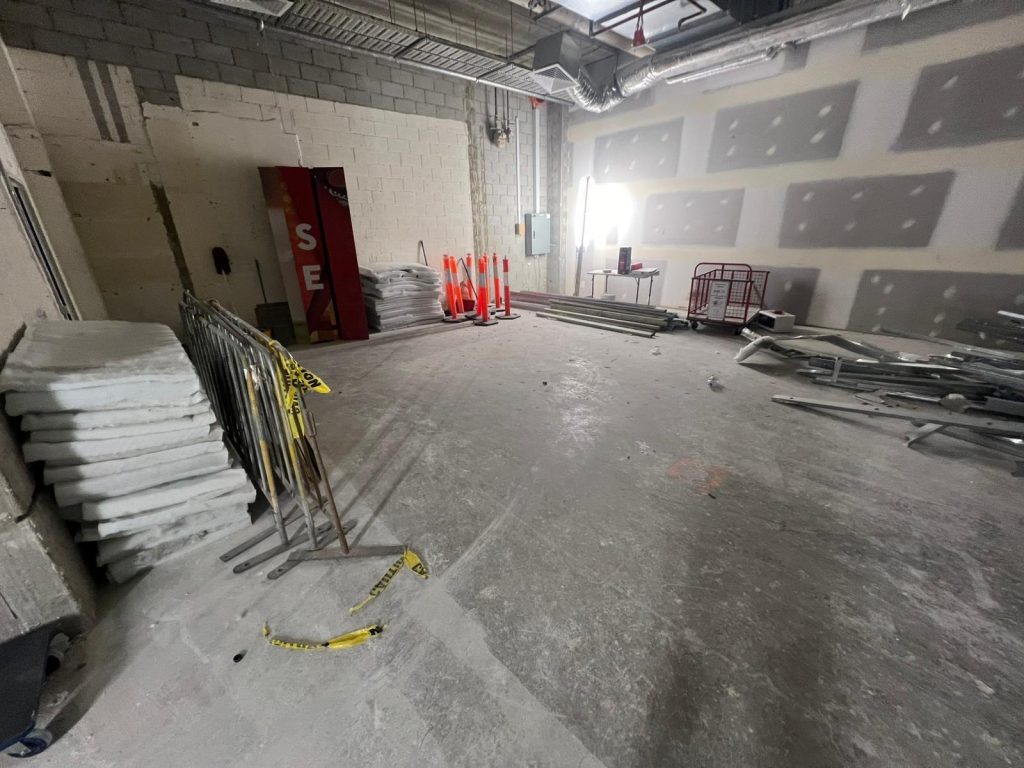
A fitout refers to preparing an interior space for occupation. It’s what turns an empty shell into a working environment ready for business. In Perth, fitouts are common across offices, retail stores, and industrial spaces, involving everything from flooring and partitions to lighting, cabling, and signage.
The goal of a fitout is creation — installing new features that make the space functional, compliant, and on-brand for the tenant’s operations. Depending on scope, it can range from a simple refresh to a full commercial transformation involving trades, design, and regulatory approvals.
What Is a Defit (and Makegood)?
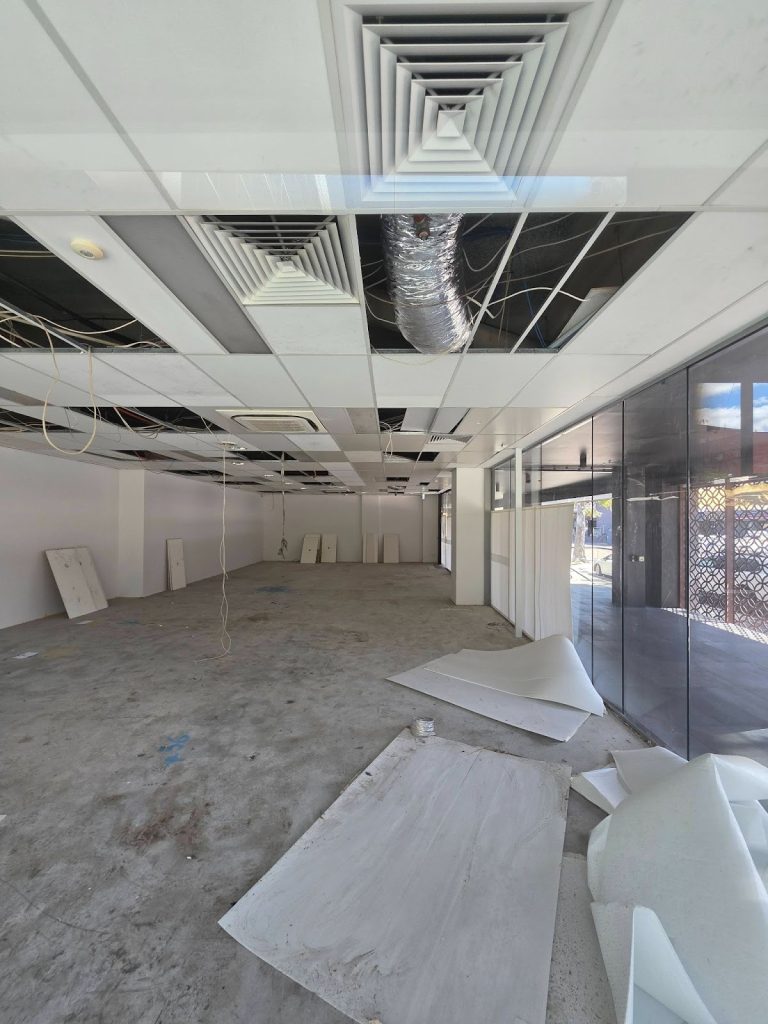
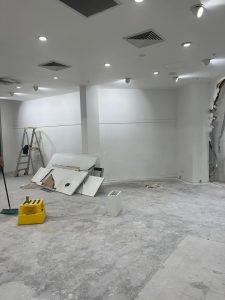
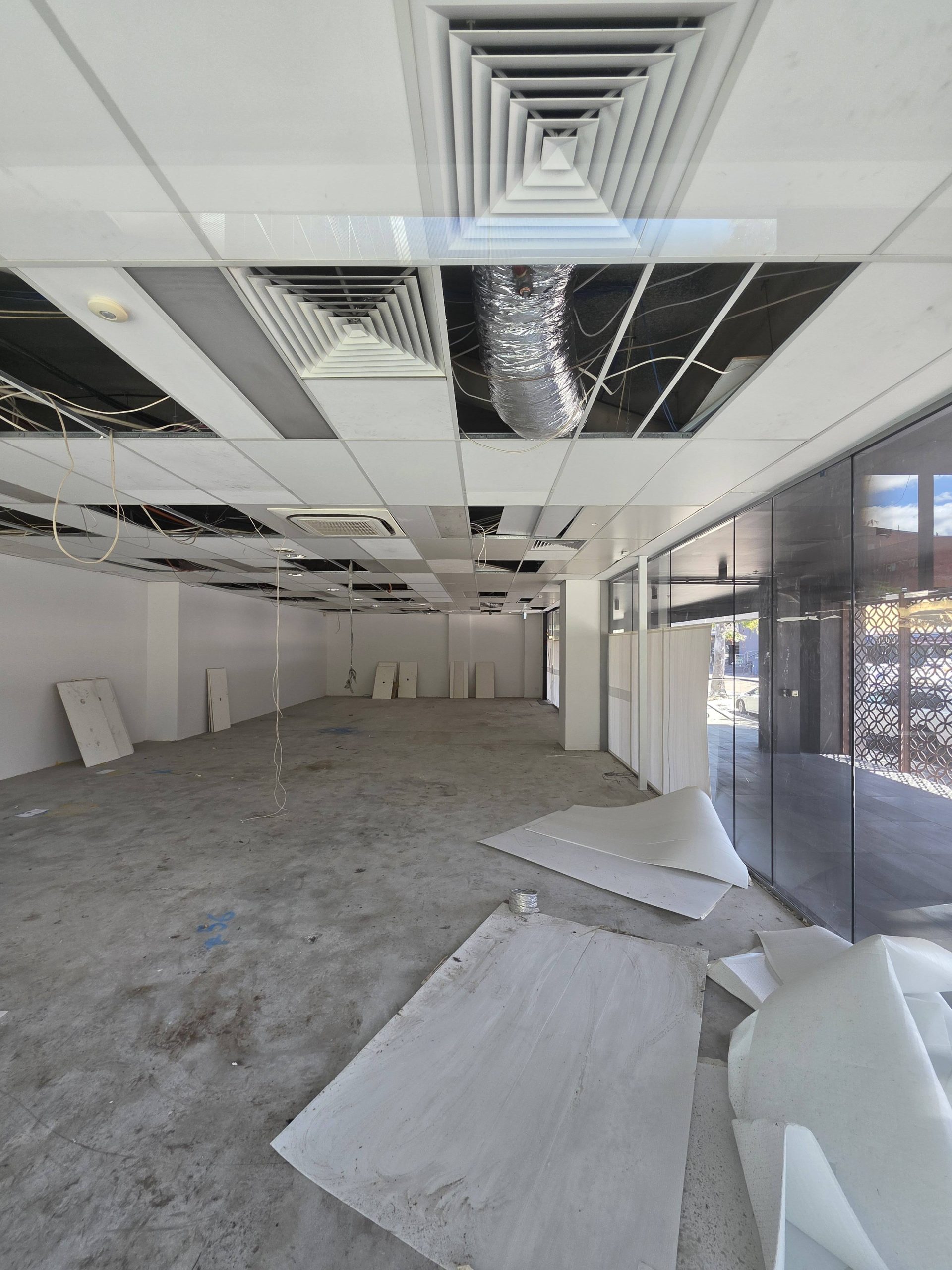
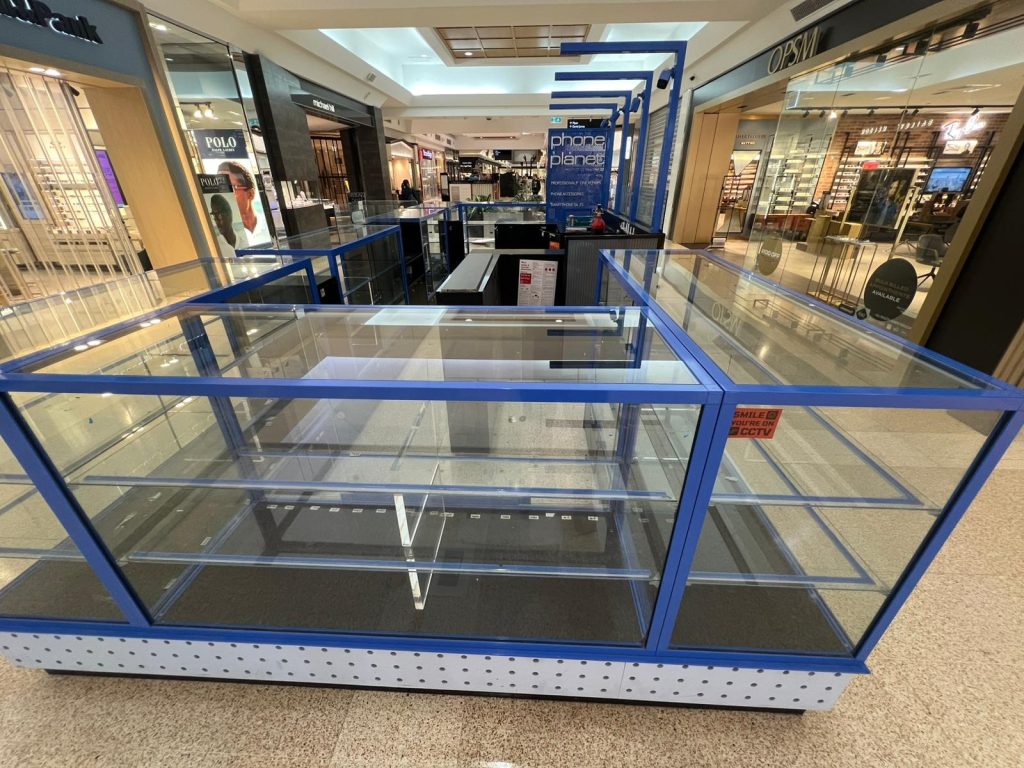
A defit, on the other hand, does the opposite. It’s the process of removing existing installations and restoring a leased property to its original condition, usually at the end of a tenancy. In Perth’s commercial market, defit and makegood are often used together, referring to both the strip-out and the repair work that returns a space to its pre-lease state.
A professional defit can include electrical disconnection, wall and flooring removal, waste clearance, and surface restoration. The makegood component handles repainting, patching, or repairs to meet the landlord’s handback conditions — a common requirement in commercial leases across WA.
Key Differences Between Defit and Fitout
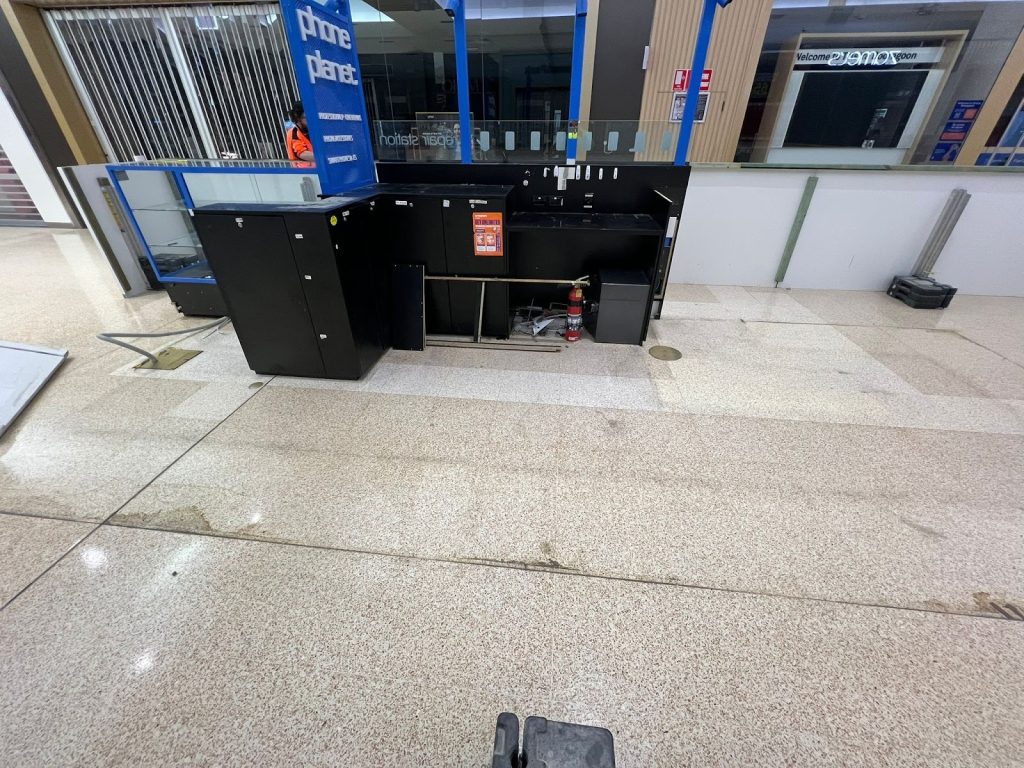
Fitouts build up. Defits strip back. Both require expertise, but their purpose, timing, and execution differ entirely.
| Aspect | Fitout | Defit (Makegood) |
| Purpose | Creating or customising a space for occupation | Restoring a leased space to its original condition |
| When It Happens | At the start of a lease or business setup | At lease end or before handback |
| Scope | Installing fixtures, finishes, and branding | Removing installations and repairing damage |
| Common Sites | New offices, retail shops, warehouses | Vacated offices, shops, and industrial units |
| Goal | Functionality and brand alignment | Compliance and cost control |
From a Perth perspective, a fitout is about vision — building a workspace that reflects business identity. A defit is about closure — meeting lease obligations and avoiding disputes. Both require precise planning, but only one gives the keys back in perfect order.
Why Understanding the Difference Matters
Property managers and commercial tenants often underestimate the impact of timing and compliance when planning a defit or fitout. Misunderstanding the difference can lead to missed deadlines, unexpected costs, and strained landlord relationships.
In Perth, most commercial leases include a makegood clause requiring tenants to restore the space. Knowing the difference between defit and fitout helps tenants plan for both ends of their lease cycle — budgeting for setup and accounting for restoration later. For landlords, it ensures faster turnaround between tenants and reduced vacancy downtime.
How a Professional Defit & Makegood Service in Perth Can Help
Hiring a local defit specialist isn’t just about convenience; it’s about risk control. A professional defit and makegood team handles permits, waste removal, and safety compliance while ensuring the space is returned to a handover-ready condition.
Whether it’s a commercial defit for a large corporate office, a quick retail shop defit, or a warehouse makegood in Welshpool, experienced providers like Perth Defit understand local standards and tight timelines. They offer transparent quotes, skilled trades, and full project management — ensuring every step, from removal to restoration, meets Perth’s commercial lease expectations.
Case Study Snapshot: Office Defit in Perth
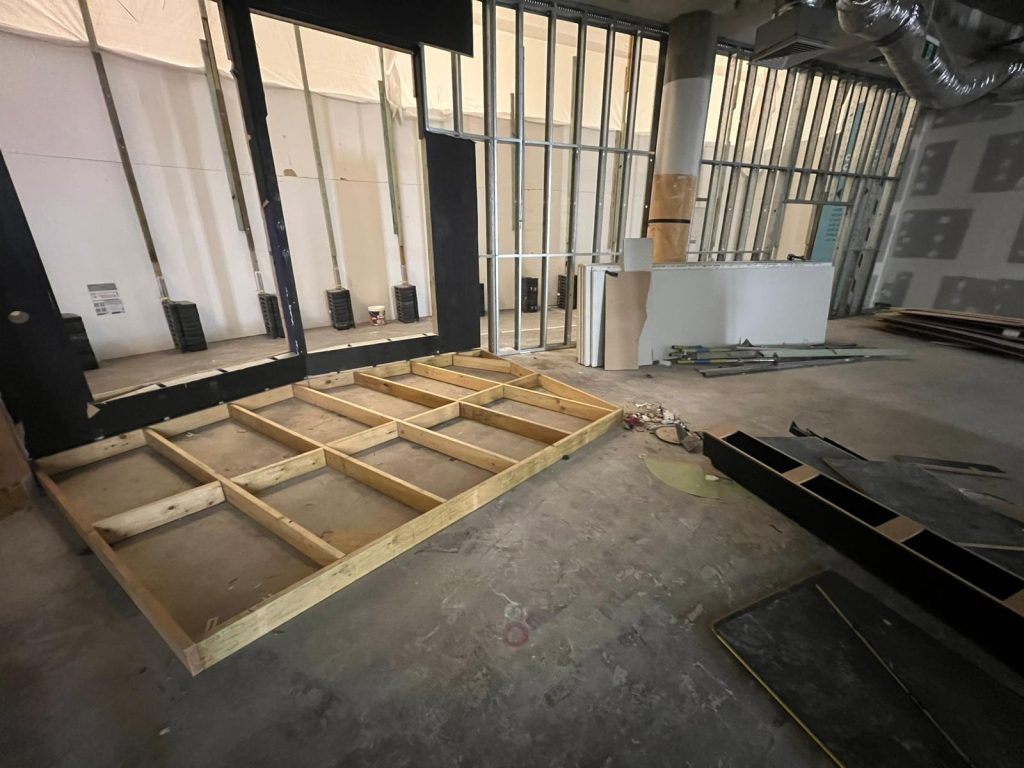
A Perth-based technology firm recently vacated a 400-square-metre office in the CBD. The project required removing glass partitions, lifting floor tiles, and repainting to meet makegood terms. The professional defit team completed the work in under five days, allowing the landlord to hand over the property to new tenants immediately — saving both sides weeks of downtime and thousands in potential penalties.
Frequently Asked Questions
What’s the difference between defit and fitout?
A fitout installs and customises interiors, while a defit removes installations and restores the space to its original state.
How much does a commercial defit cost in Perth?
Costs vary depending on size, materials, and lease conditions, but most office or shop defits in Perth range from a few thousand to tens of thousands.
When should a tenant start planning makegood?
Ideally, three to six months before lease end to ensure compliance and avoid rush fees.
Can the same company handle both defit and fitout?
Yes, many Perth providers manage both phases, offering seamless transitions from setup to closure.
What happens if makegood work isn’t done?
Landlords can deduct costs from the bond or pursue recovery, making proactive planning essential.
Final Thoughts
Understanding the difference between defit and fitout isn’t just about terminology — it’s about protecting your investment. Perth businesses that plan both ends of their tenancy save time, maintain compliance, and build better relationships with landlords.
If you’re preparing for a lease handback, planning a new commercial setup, or need a complete defit and makegood service, partnering with a local Perth defit expert ensures the job gets done efficiently, safely, and on schedule.