
What is a warehouse strip out and why is it necessary?
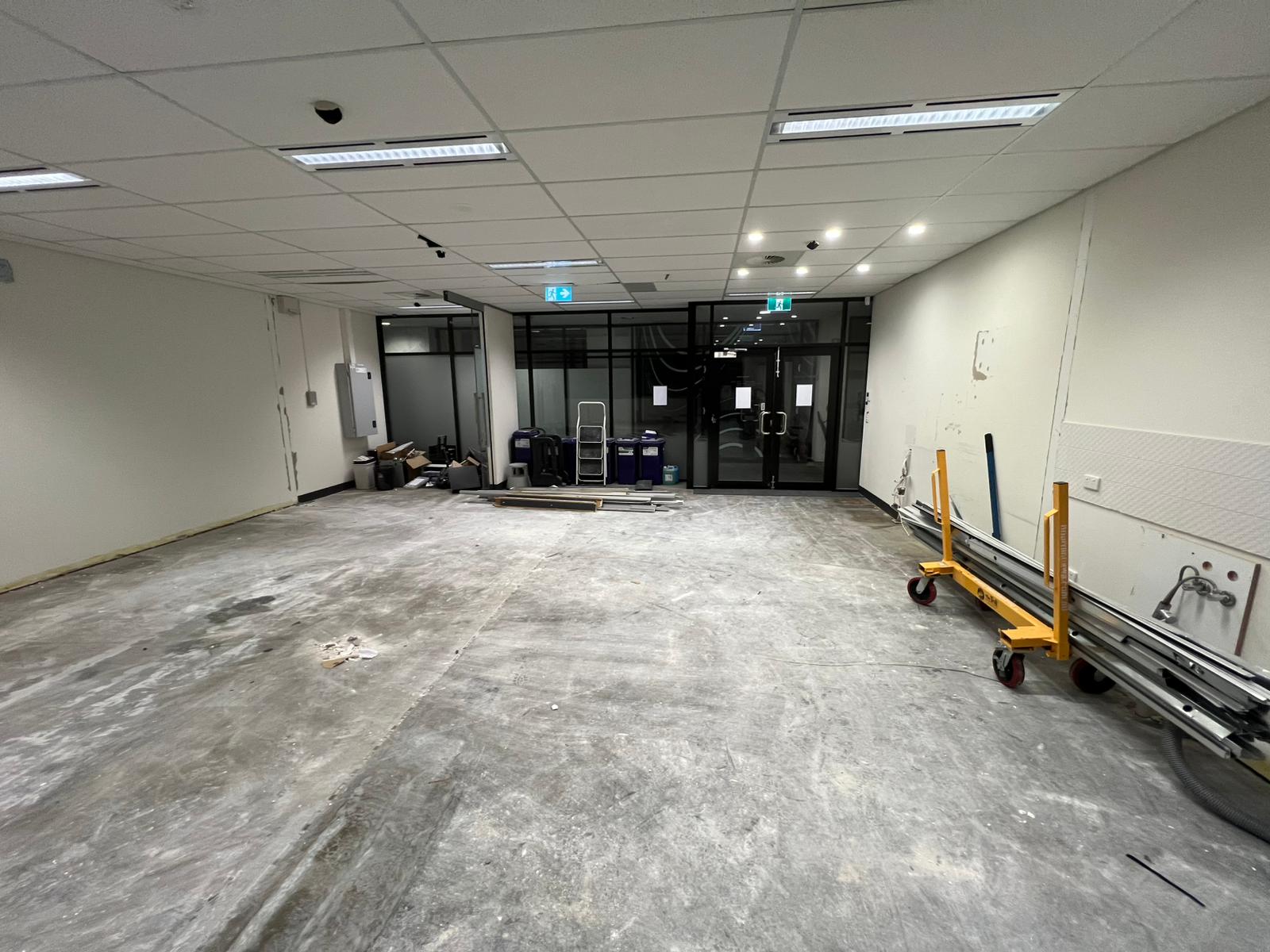
A warehouse strip out is the process of returning an industrial or commercial warehouse to its original condition by removing non-essential fixtures, fittings, and modifications. In Western Australia, this process is often tied to end-of-lease agreements, compliance with safety regulations, or preparation for a new tenant. Businesses that overlook this step can face penalties, withheld bonds, or disputes with landlords. In simple terms, a warehouse strip out is not just demolition; it is a strategic reset that protects both your financial and operational interests.
What does a warehouse strip out typically involve?
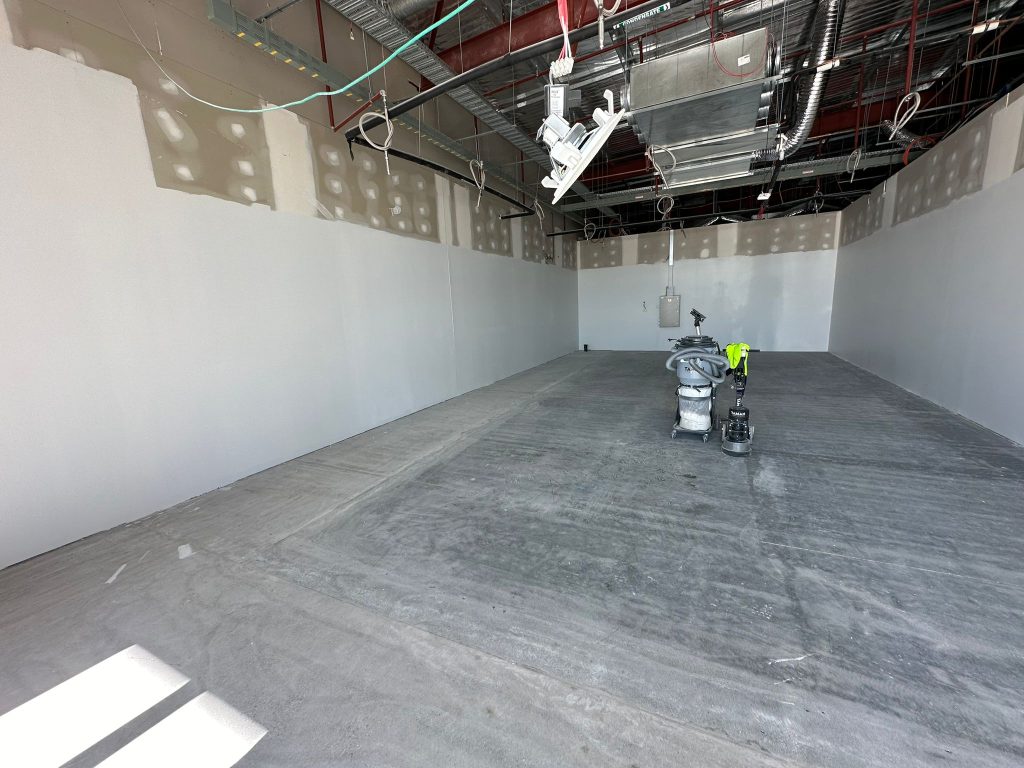
Imagine moving out of a house but on an industrial scale. You’re not only packing and cleaning, you’re dismantling mezzanine floors, removing racking systems, stripping signage, disconnecting services, and making sure the space looks as close as possible to its original state. In Perth, warehouses in areas like Osborne Park or Welshpool often require defit and makegood services that cover everything from electrical disconnections to floor repairs. Without these steps, landlords may reject the handover, delaying your transition.
How does a warehouse strip out differ from a standard office fit out removal?
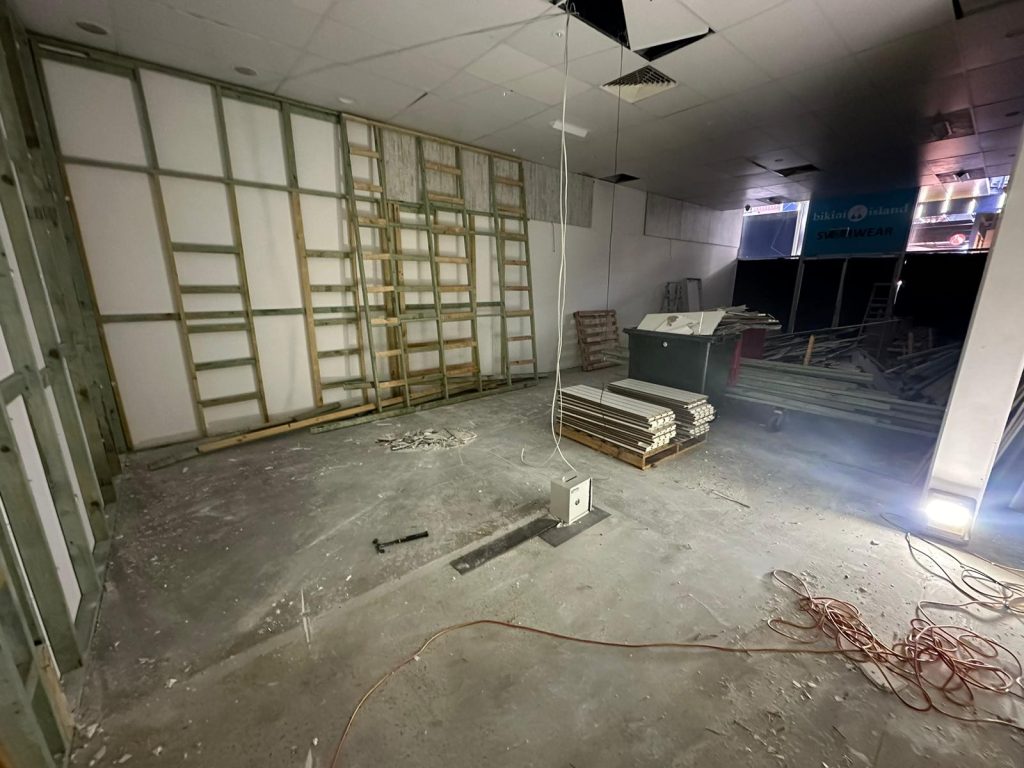
While an office fit out often focuses on partitions, ceilings, and finishes, a warehouse strip out can involve much larger and heavier installations. Think steel racking that stretches several metres high, or custom cool room panels that need specialist dismantling. This makes warehouse defits more complex, requiring machinery, safety planning, and strict compliance with WA regulations. Both processes aim to return a site to base condition, but the scale and logistics set warehouse projects apart.
What risks come with a poorly executed warehouse strip out?
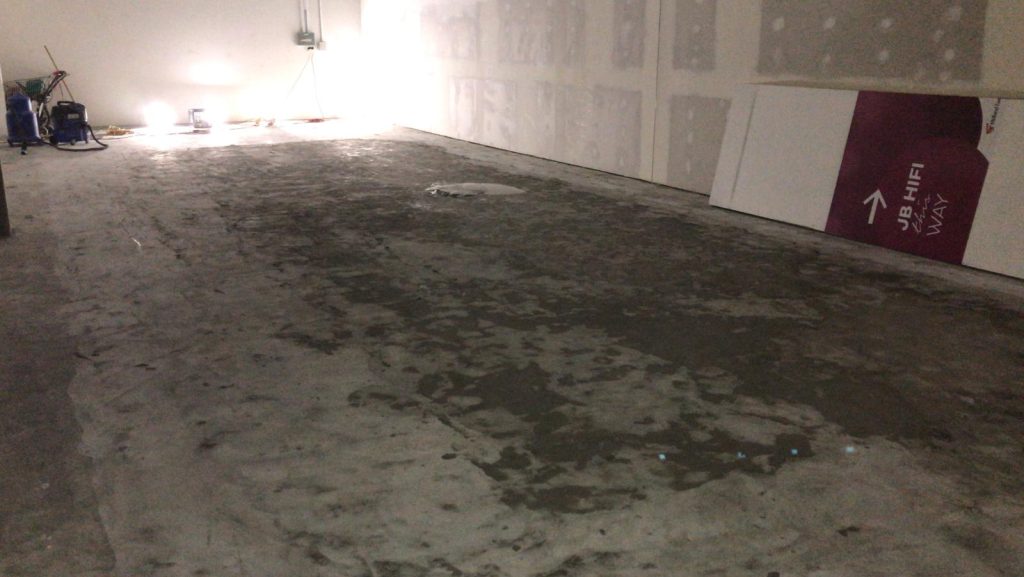
Cutting corners can lead to big consequences. Leaving behind exposed wiring, damaged slabs, or unsecured waste can put a business at risk of fines, failed inspections, or even legal disputes. Some tenants also face claims for damages if they don’t meet their makegood obligations. Professional defit service providers in Perth are familiar with the fine print of commercial leases and local council standards. They don’t just clear the site; they ensure the work passes inspection and protects your reputation.
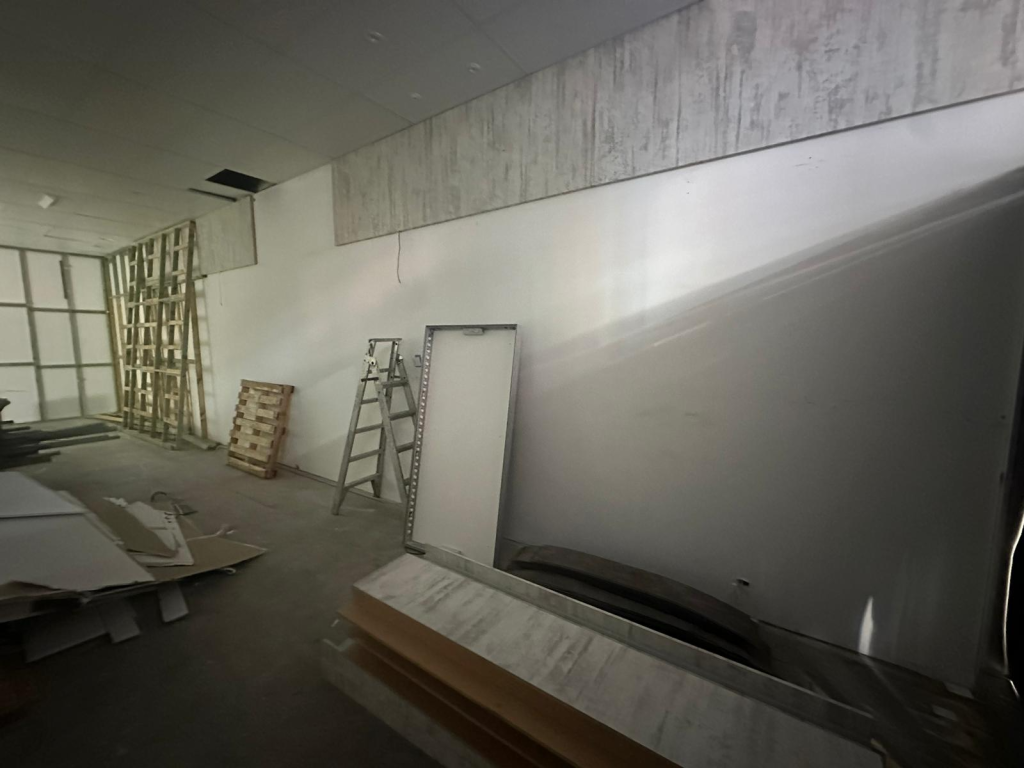
Why should businesses use professional defit service providers in WA?
Professional providers offer more than labour. They coordinate trades, manage waste disposal, and ensure compliance with safety and environmental laws. In Perth’s industrial zones, for example, warehouse strip outs often require staged removals to minimise disruption or after-hours work to meet tight deadlines. A professional defit service provider can also integrate makegood services, such as patching, repainting, and restoring flooring, so the warehouse is genuinely handover-ready. For businesses, this means fewer headaches and a faster path to closure or relocation.
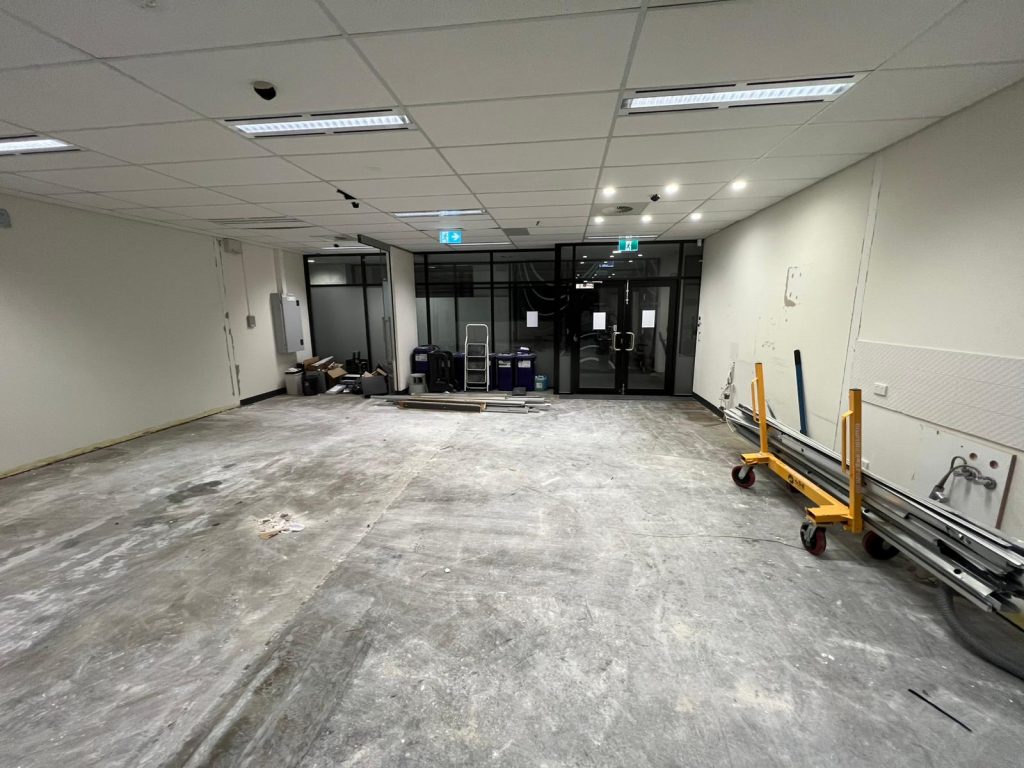
Are warehouse strip outs in Western Australia moving toward sustainability?
Yes. Sustainability is becoming a priority in WA, and warehouse strip outs are part of that trend. Materials like steel racking, mezzanine structures, and partitioning are often recycled or repurposed, reducing landfill waste. Professional teams are adopting eco-friendly disposal practices, helping businesses align with broader environmental goals while still meeting lease obligations. For companies conscious of their ESG commitments, choosing a provider who prioritises sustainability is an advantage.
What is the key takeaway for businesses planning a warehouse strip out?
A warehouse strip out is not an afterthought. It is a critical step in completing lease obligations, preparing a site for new use, and avoiding costly disputes. For businesses across Perth and wider Western Australia, working with a professional defit service provider ensures the process is efficient, compliant, and tailored to the unique challenges of industrial spaces. By treating the strip out as part of your overall business strategy, you set the stage for smoother handovers and stronger relationships with landlords.