If you think moving out of a commercial lease just means taking your stuff and handing over the keys, you’re not ready for what’s next.
The different types of makegood services required at the end of a lease can vary dramatically depending on the type of property, your lease terms, and how the space was used. A shopfront in Cannington, a warehouse in Kewdale, and an office in West Perth each come with different end-of-lease expectations—and different costs if you get it wrong.
Knowing what type of makegood applies to your space is the difference between a smooth exit and an expensive back-and-forth with the landlord.
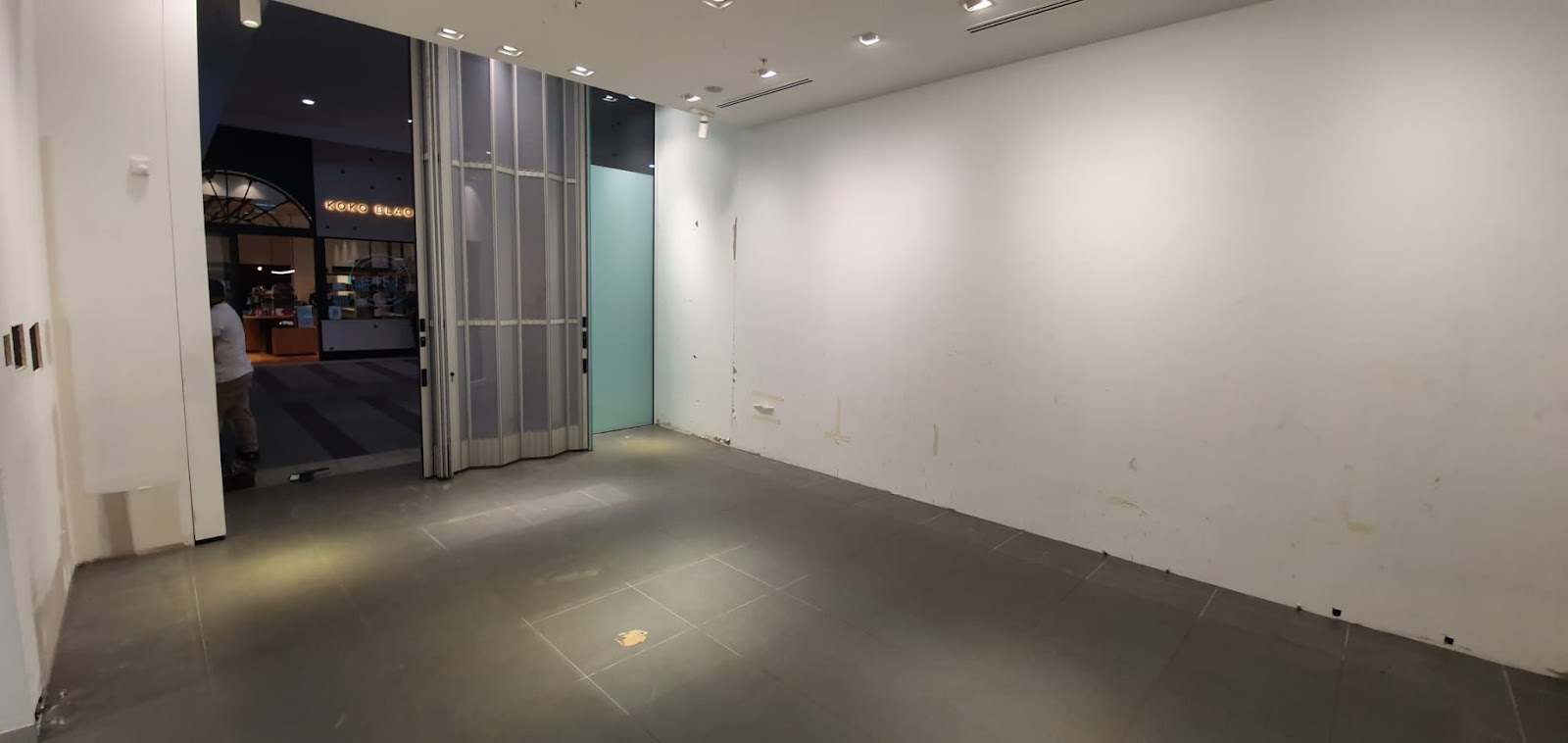
What Are Makegood Services?
In simple terms, makegood services are the works required to restore a leased property to its original or agreed condition at the end of a tenancy. Sometimes this means a basic cleanup. Other times, it means full demolition and reinstatement of original finishes.
The lease might say “return to base building condition” or “remove tenant fit-out” without defining what that actually includes. That’s where misinterpretation leads to conflict—and where expert advice matters.
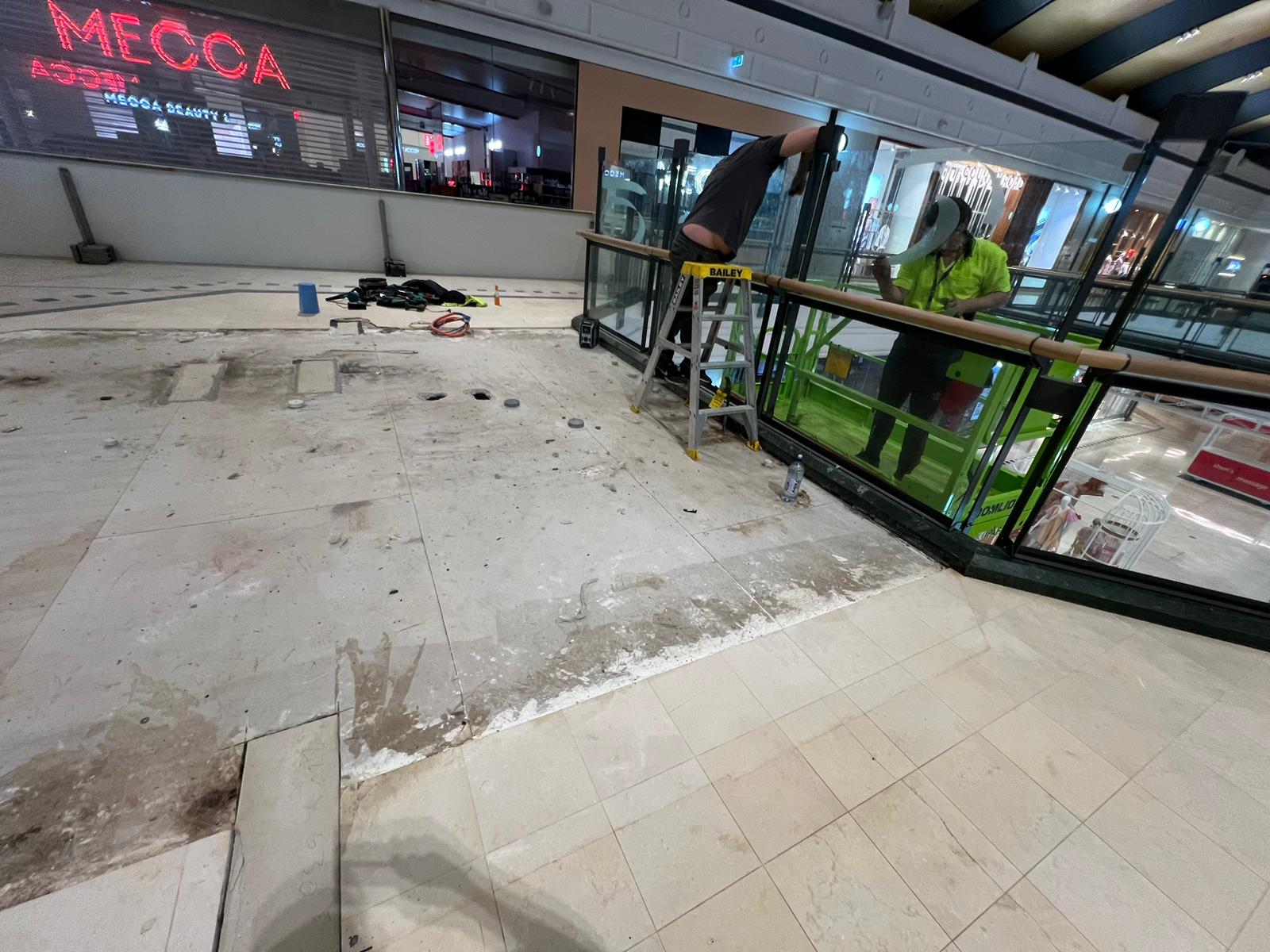
The Different Types of Makegood Services in WA
Let’s break down the main categories of makegood services used in Western Australia. Each one ties directly to how the space was used, and what kind of fit-out was installed.
1. Light Makegood (Cosmetic Restoration)
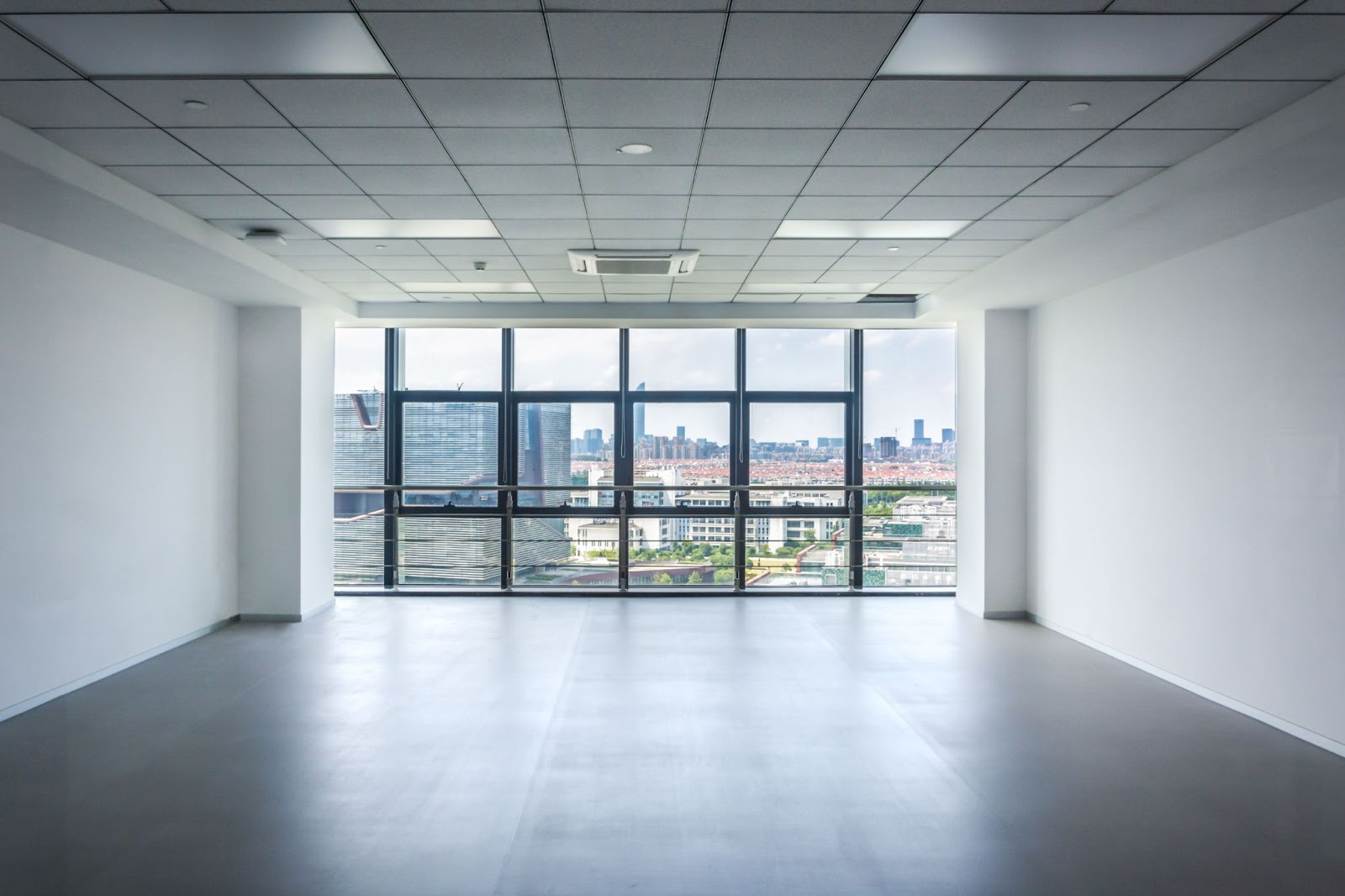
This is the simplest level of end-of-lease makegood. It typically applies to open-plan offices or serviced retail spaces with minimal changes.
Includes:
- Removal of loose furniture
- Surface cleaning
- Wall patching and repainting
- Minor floor or ceiling repairs
Example: A small PR agency vacating an office in Subiaco might only need cleaning, a few paint touch-ups, and signage removal. If no structural changes were made, this can be completed quickly and affordably.
2. Medium Makegood (Partial Strip-Out)
This level of makegood sits in the middle. It often involves light demolition and reinstatement works, and is common in shopfronts or smaller warehouses.
Includes:
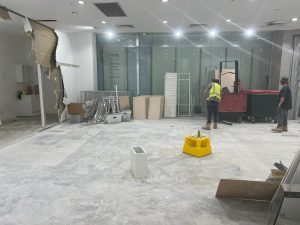
- Removal of non-structural walls and joinery
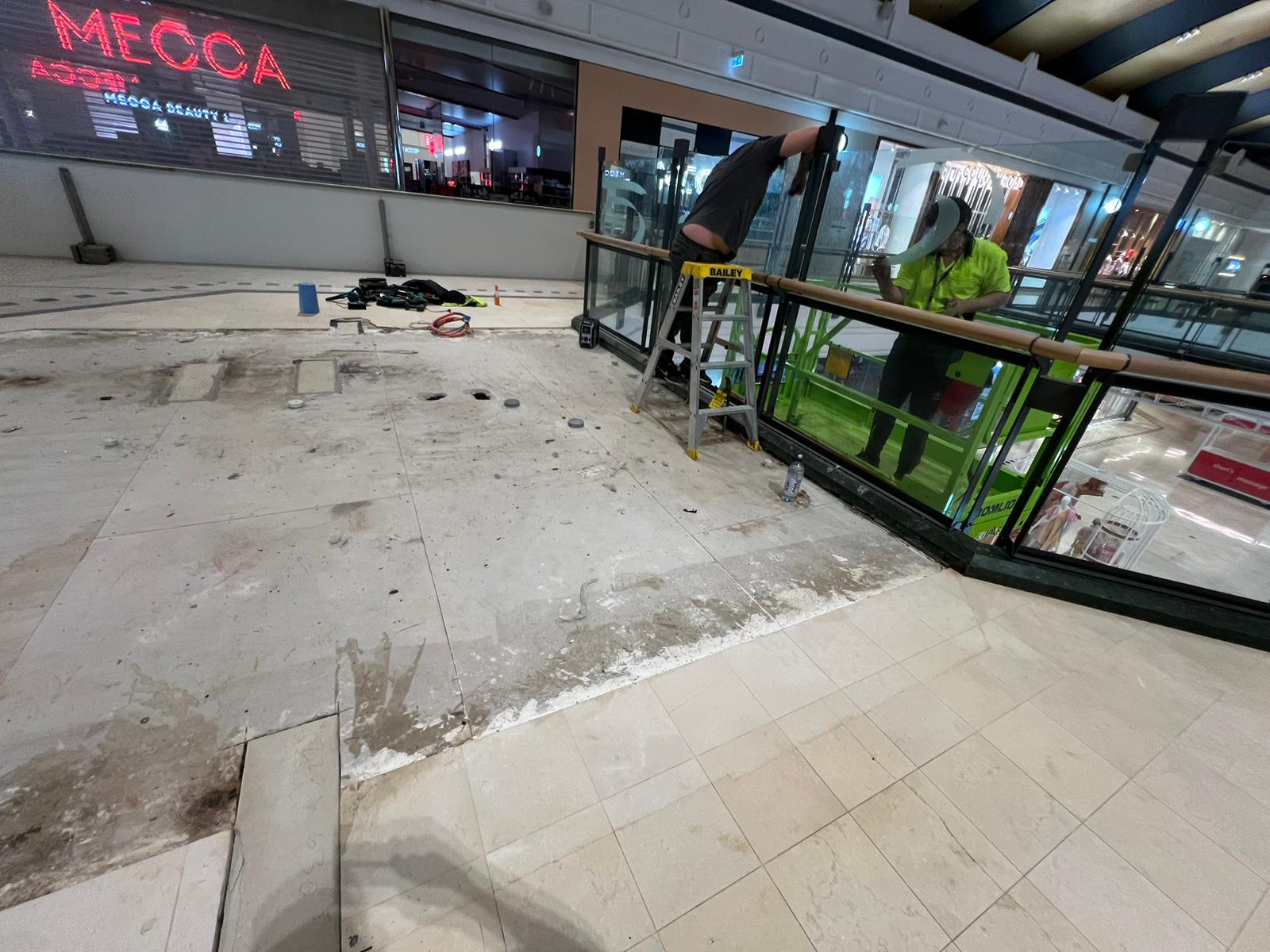
- Taking up floor coverings or tiles
- Capping electrical and plumbing points
- Reinstating ceiling panels or light fittings
Example: A boutique retail store in Fremantle might require removal of custom shelving, re-tiling entryways, and repainting walls before handover.
This falls into what many call defit services, especially when combined with stripouts in Perth that involve coordinated trade work across electrical, carpentry, and waste disposal.
3. Full Makegood (Base Build Restoration)
This is the most comprehensive category and applies to industrial properties, customised offices, and larger commercial tenancies.
Includes:
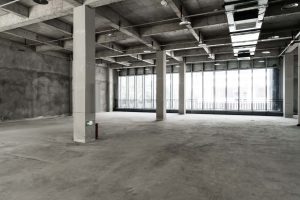
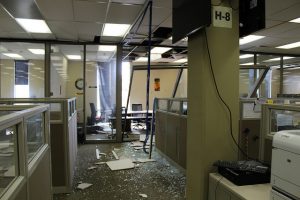
- Complete removal of internal fit-outs
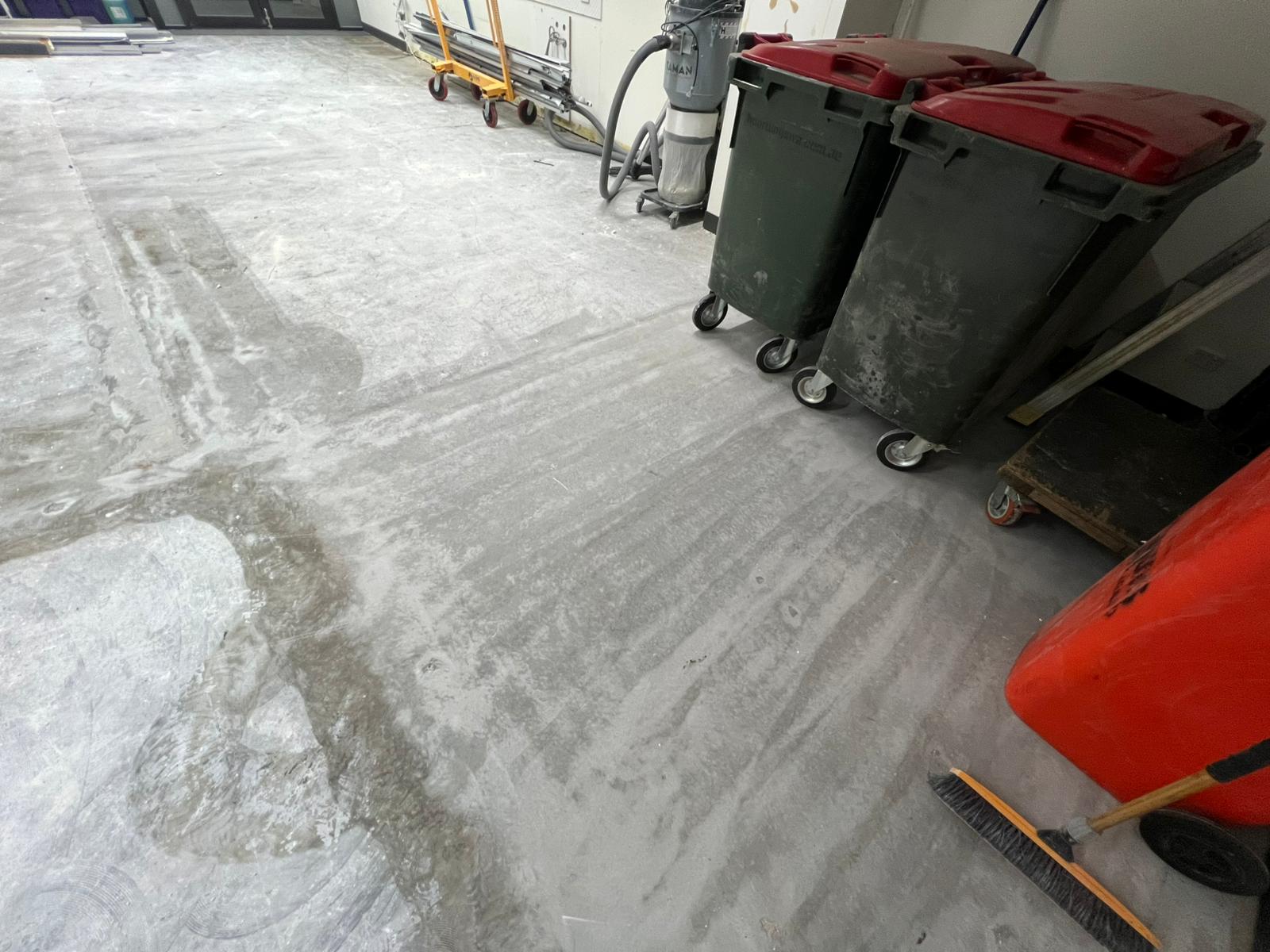
- Concrete floor grinding or sealing (for warehouses)
- HVAC and fire system decommissioning
- Racking and mezzanine strip-outs
- Restoring base build finishes as per original specs
Example: A warehousing company leaving a facility in Welshpool might need to remove offices, strip epoxy floors, reinstall lighting, and fix loading dock damage. It often takes several weeks and involves multiple contractors.
4. Compliance-Driven Makegood
This service type involves bringing the premises up to modern safety or building standards. It’s especially relevant for older buildings in WA where regulations have shifted during the lease period.
Includes:
- Exit lighting and signage upgrades
- Fire-rated door or hardware replacement
- Accessibility compliance adjustments
- Sealing fire penetrations
There’s often debate over who pays for these upgrades—the tenant or the landlord. The answer usually lies in how well the lease defines makegood responsibilities.
Why Makegood Is Often Disputed
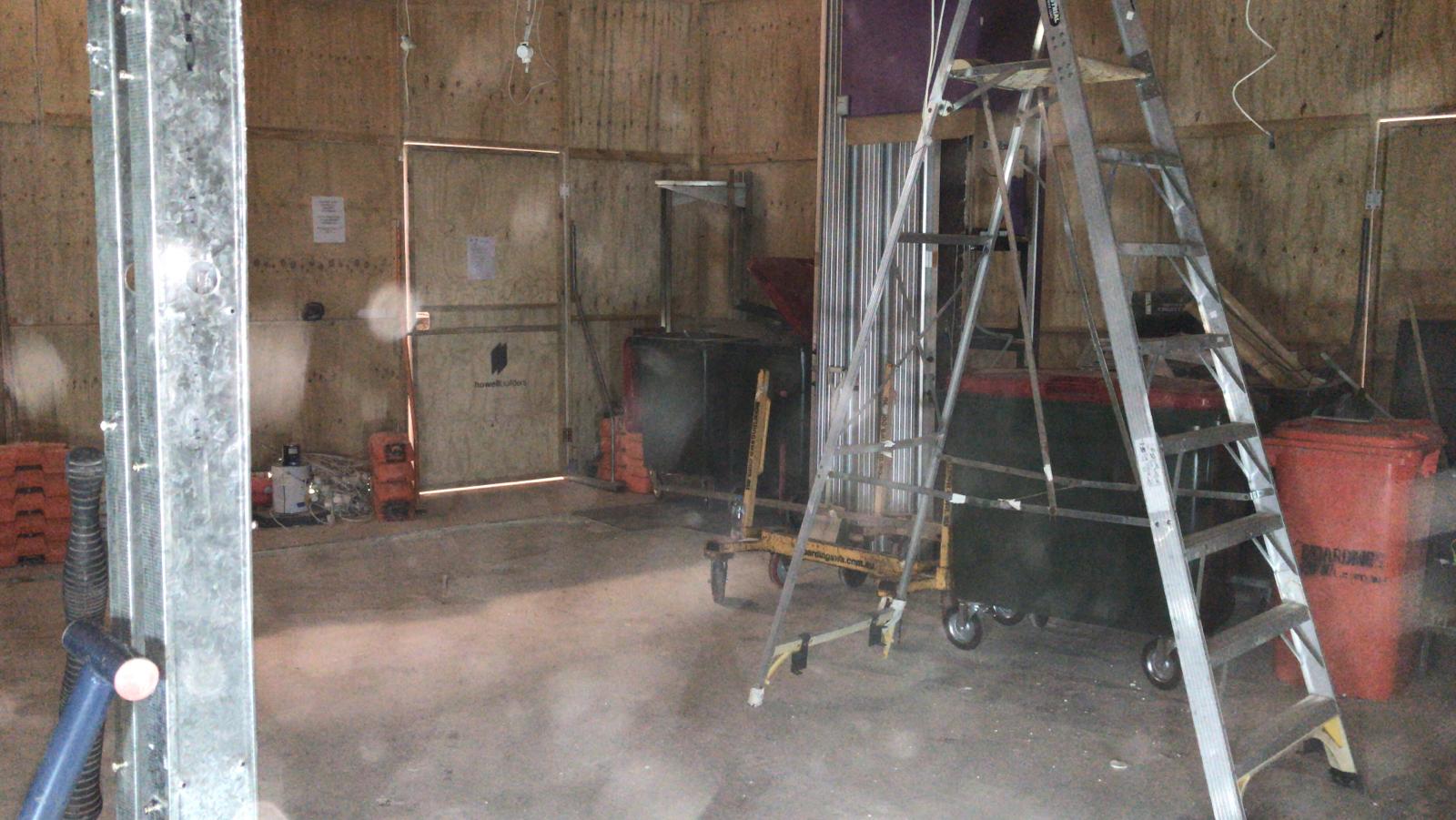
Makegood clauses are one of the most argued-over parts of commercial leases. Landlords want the space market-ready. Tenants want to keep exit costs down. And vague lease wording leaves room for disagreement. In Perth, these disputes often involve assumptions around reasonable wear and tear or unclear definitions of original condition.
This is why businesses now rely on specialists in defit services who understand not just demolition, but also the legal grey zones of commercial leases.
Why Perth Defit Is the Smart Choice for Makegood Services
If you’re looking for a trusted provider of makegood services in Western Australia, Perth Defit is the name to know. With deep experience across office, warehouse, and retail stripouts, their team handles the entire process—start to finish—with clear scoping, rapid delivery, and full compliance.
They don’t just do demolition. Perth Defit understands what landlords expect, what local councils require, and how to manage tight handover timelines without blowing your budget.
Whether it’s a full defit of an industrial unit in Bibra Lake or a light end-of-lease makegood for a boutique shopfront in Mount Lawley, Perth Defit brings a no-nonsense, results-focused approach backed by years of local experience.
Final Takeaway
Understanding the different types of makegood services gives commercial tenants in Western Australia a serious advantage. Whether you’re vacating a warehouse, a retail space, or an office, the type of makegood you need depends on your lease, your fit-out, and what the landlord expects next.
The key is to plan early. Don’t leave makegood to the final weeks. Get a scope. Understand your lease obligations. And work with a professional team that knows local conditions and how to deliver a compliant, clean handover.
Because once you’re out, you want the landlord satisfied—and your bond intact.