
When approaching the end of a commercial lease, tenants often face confusion around two key terms: office defit vs. makegood. While they are closely linked, they’re not the same—and misunderstanding the difference could result in unexpected costs, legal issues, or lease disputes.
This article breaks down the difference between office defit and makegood, outlines your legal responsibilities, and offers guidance on how to manage both effectively.

What Is an Office Defit?
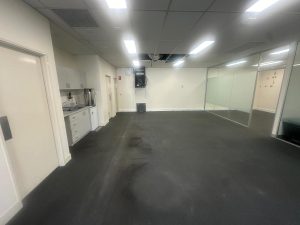
An office defit—sometimes called an office strip-out or defit—involves removing all tenant-installed elements from a commercial or office space. The goal is to return the space to a base building or “bare shell” condition. This often includes:
- Removing partitions, joinery, and workstations
- Disconnecting IT infrastructure and cabling
- Pulling up flooring or ceiling tiles
- Taking down signage or wall fixtures
- Disposing of furniture and loose items
- Disconnecting plumbing or electrical services
The office defit process is typically managed by a commercial defit contractor and must be done according to building codes, safety standards, and landlord requirements.

What Does “Makegood” Mean?
The term makegood refers to the legal obligation to return the premises to a certain condition as defined in your lease. The makegood clause outlines what work is required before the tenant vacates the property. This may include:
- Performing a full office defit
- Repainting walls in a neutral tone
- Replacing floor coverings or damaged tiles
- Cleaning the space to a commercial standard
- Repairing any damage caused during the lease
- Ensuring air conditioning and lighting are in working order
Some leases require the space to be returned to a “base building” condition, while others may accept a cash settlement or “makegood in lieu.”

Office Defit vs. Makegood: What’s the Difference?
The distinction between office defit vs. makegood comes down to task vs. obligation:
- Office defit is a physical process—removing tenant-installed items and restoring the base space.
- Makegood is a contractual requirement—a broader legal responsibility to return the premises in the condition specified in your lease.
In short, a defit is often part of makegood, but makegood can include much more, such as repairs, cleaning, or repainting.
Understanding Your Legal Obligations
The scope of your makegood obligations depends on what’s written in your commercial lease. It’s essential to:
- Review your lease agreement early (ideally 3–6 months before moving out)
- Clarify the makegood clause with your property manager or legal advisor
- Engage experienced professionals to handle the defit and makegood process
Neglecting your obligations can lead to legal disputes, withheld bonds, or continued rental liability.

Why You Need a Professional Office Defit & Makegood Service
Professional defit and makegood contractors understand the technical, regulatory, and timing requirements involved. From strip-out to rubbish removal, patching, painting, and final cleaning, they ensure everything is completed on time and to specification.
Many landlords require documented proof of compliance, especially for high-value tenancies. Engaging qualified providers helps protect your interests and avoid costly delays or rework.
Conclusion
Understanding office defit vs. makegood is essential for any business vacating a leased commercial space. While often used interchangeably, they serve different purposes—one is about physical work, the other about meeting your legal lease obligations.
By planning ahead, reviewing your lease, and working with experienced professionals, you can manage the process efficiently and ensure a smooth transition out of your tenancy.